How to Introduce Allergens to Baby (Dietitian-Approved Guide)
Quick summary
Navigating how to introduce allergens to your baby often comes with a lot of questions and what-ifs. But with the right timing, safe textures, and a simple step-by-step approach, allergenic foods can become just another normal part of your baby’s mealtime routine.
Not only can introducing allergens early ensure that your baby is getting a more diverse diet, but it may also reduce the risk of developing food allergies down the line. In fact, a 2025 study found that peanut allergies in children under age 3 dropped by 43% in recent years after health organizations began recommending early allergen introduction.
This dietitian-approved guide breaks down exactly what to know as you introduce allergens to your baby. It covers everything from when to start and which foods to prioritize to how to serve them safely and what reactions to watch for so you can feel confident adding allergenic foods into your little one’s diet.

What are the most common food allergens?
In the United States, nine foods account for the vast majority of food allergies. These are often referred to by organizations like the USDA as the “Big Nine.” These common food allergens include:
- peanuts
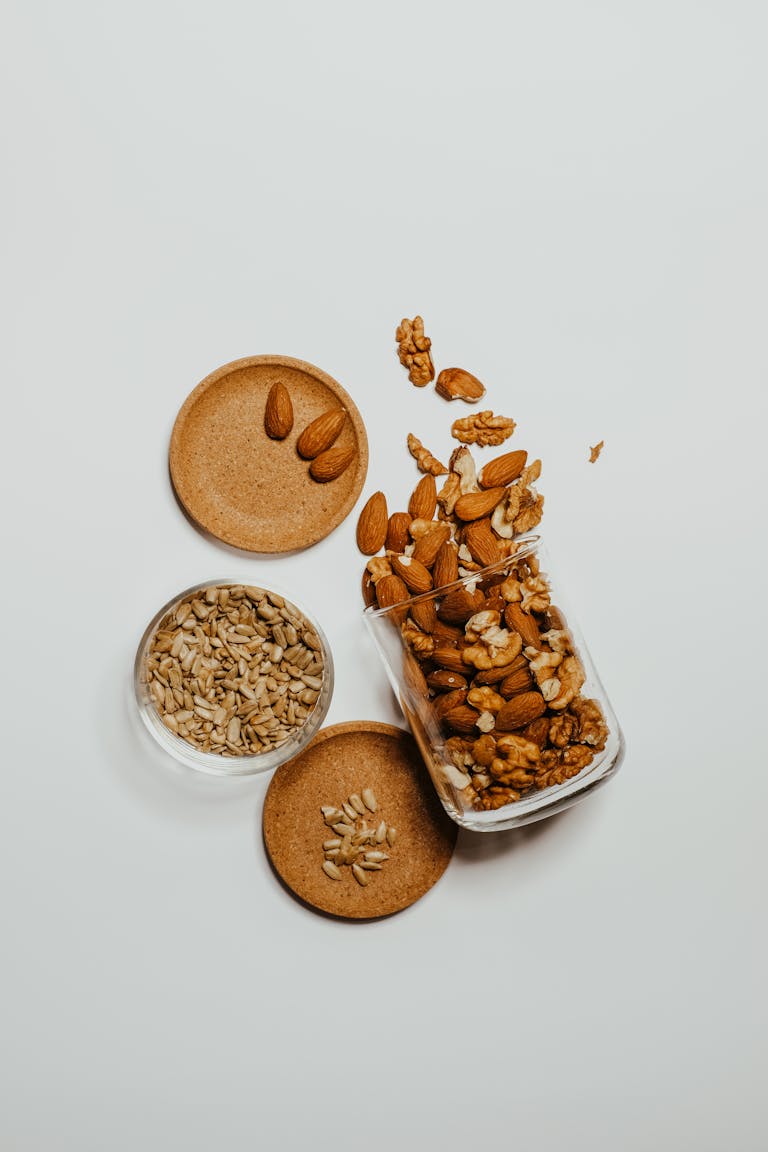
- tree nuts (such as almonds, walnuts, cashews, and pistachios)
- eggs
- cow’s milk
- wheat
- soy
- fish
- shellfish
- sesame
Even though any food could potentially trigger an allergic reaction, these foods are the ones that experts recommend introducing during infancy as part of a varied diet.
Keep in mind that introducing an allergen doesn’t mean serving a whole peanut or a spoonful of peanut butter. Many allergenic foods need to be prepared in a baby-friendly form to reduce choking risk.
For example, peanut butter can be thinned with water, breast milk, or formula, and eggs can be served fully cooked and mashed or mixed into other foods. We’ll share more safe and baby-friendly ways to introduce common allergens later in this guide!
When to introduce allergens to a baby
For years, parents were often told to delay introducing allergenic foods, but more recent research has turned that advice on its head. Experts now recommend introducing common allergens early rather than waiting until your child is older.
In fact, once your baby is developmentally ready for solid foods (typically around 6 months of age, but not before 4 months), you can begin introducing allergenic foods alongside other foods.
Signs of readiness include being able to sit with support, having good head and neck control, and showing interest in food.
Early introduction is especially important for allergens like peanuts and eggs, as studies show that introducing these foods during infancy may actually lower the risk of developing allergies later in life.
That said, there’s no need to rush through all nine major allergens in a single week. Start with a few foods your baby tolerates well, then gradually introduce allergenic foods one at a time in age-appropriate forms.
One more important note: if your baby has severe eczema or an existing food allergy, talk with your pediatrician or an allergist before introducing any highly allergenic foods. They can help provide personalized guidance and determine the safest approach for your little one.
Stay in the loop!
HEALTHY EATING TIPS & RECIPES delivered directly TO YOUR INBOX
How to introduce allergens safely
Once you know what to introduce and when to start, the next step is figuring out how to actually do it in real life. Luckily, introducing allergens to your little one’s diet is a lot easier than it might sound.
A helpful approach is to treat allergen introduction like any other new food, but with a little more intention. Start when your baby is healthy and in a calm routine, and plan the first try for earlier in the day so you have plenty of time to observe how they do.
From there, keep things simple: introduce one allergenic food at a time and give it around 3-5 days before trying another new one. This makes it much easier to spot whether something doesn’t sit well.
You don’t need a big portion for the first exposure, and even a small taste is enough to start. If your baby tolerates it well, keep offering that food regularly (a few times per week) so they stay familiar with it.
And if anything feels uncertain (especially if your baby has eczema or a higher allergy risk), looping in your pediatrician or allergist is a good idea to give you extra peace of mind.
Signs of a food allergy
Every time you introduce a new allergenic food, you should keep an eye on your baby for signs of an allergic reaction. Most reactions happen within minutes to a few hours after eating the food, though the timing and severity can vary.
Common signs of a food allergy in babies include:
- hives
- redness or swelling around the mouth, face, or eyes
- vomiting
- diarrhea
- excessive fussiness
- coughing, wheezing, or trouble breathing
- swelling of the lips, tongue, or throat
- pale skin
- lethargy
Some reactions are mild, while others can be serious and require immediate medical attention. Call 911 or seek emergency care right away if your baby has trouble breathing, significant swelling of the face or throat, or appears weak, limp, or unresponsive.
It’s also worth noting that not every rash or upset stomach is caused by a food allergy. Babies can have messy diapers, spit up, or develop skin irritation for lots of reasons. If you’re unsure whether your little one’s symptoms are related to a food allergy, contact your pediatrician for guidance.
Best ways to serve common allergens
As you start to introduce allergens to your baby, focus on safe textures and simple prep. Most allergenic foods are totally fine for babies once they’re modified appropriately, and a few small tweaks can turn “adult” foods into baby-friendly bites.
Here are some easy, safe ways to serve common allergenic foods:
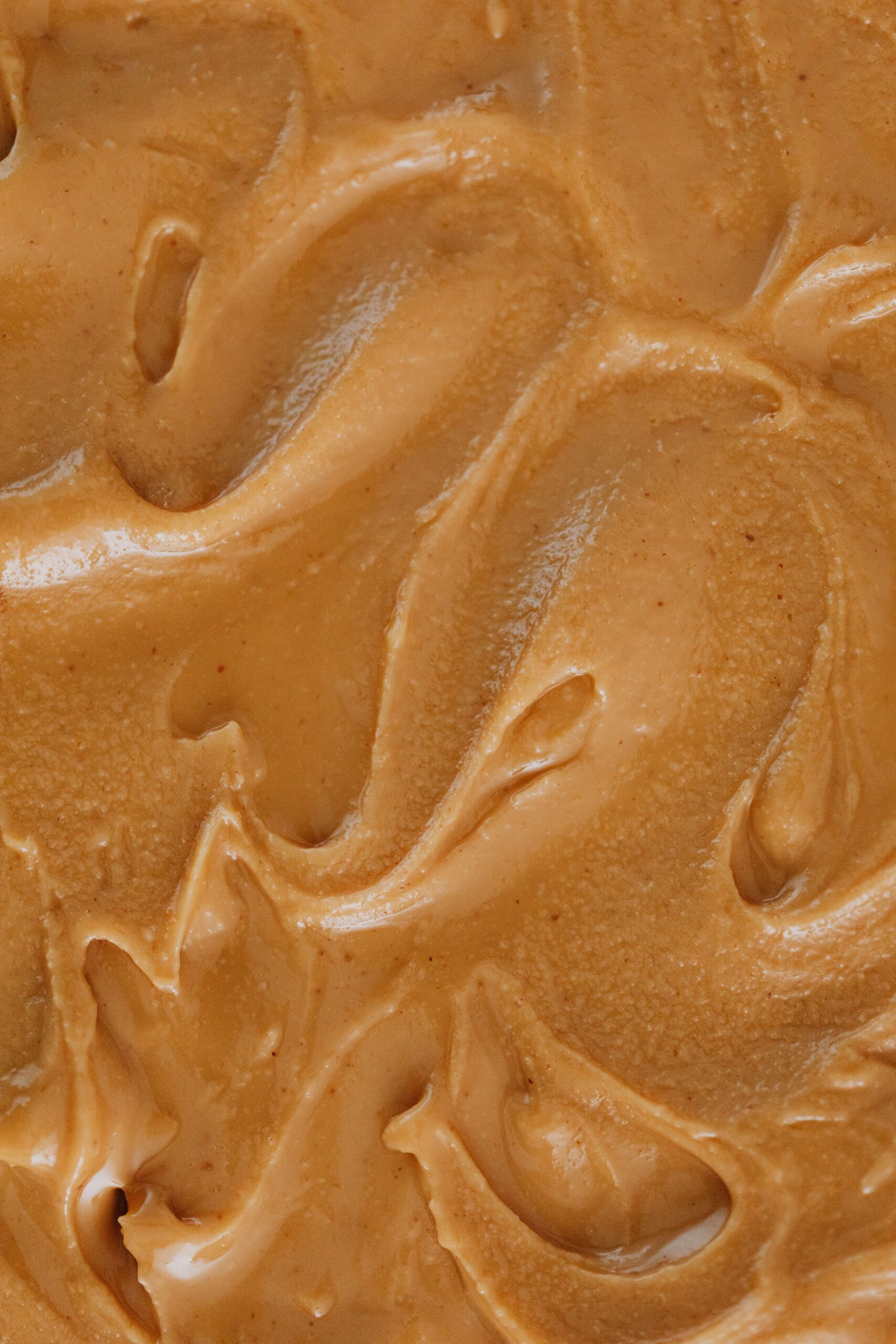
- Peanuts: thin smooth peanut butter with breast milk, formula, or water, or mix into oatmeal or yogurt
- Eggs: fully cooked scrambled eggs or hard-boiled eggs mashed to a soft consistency
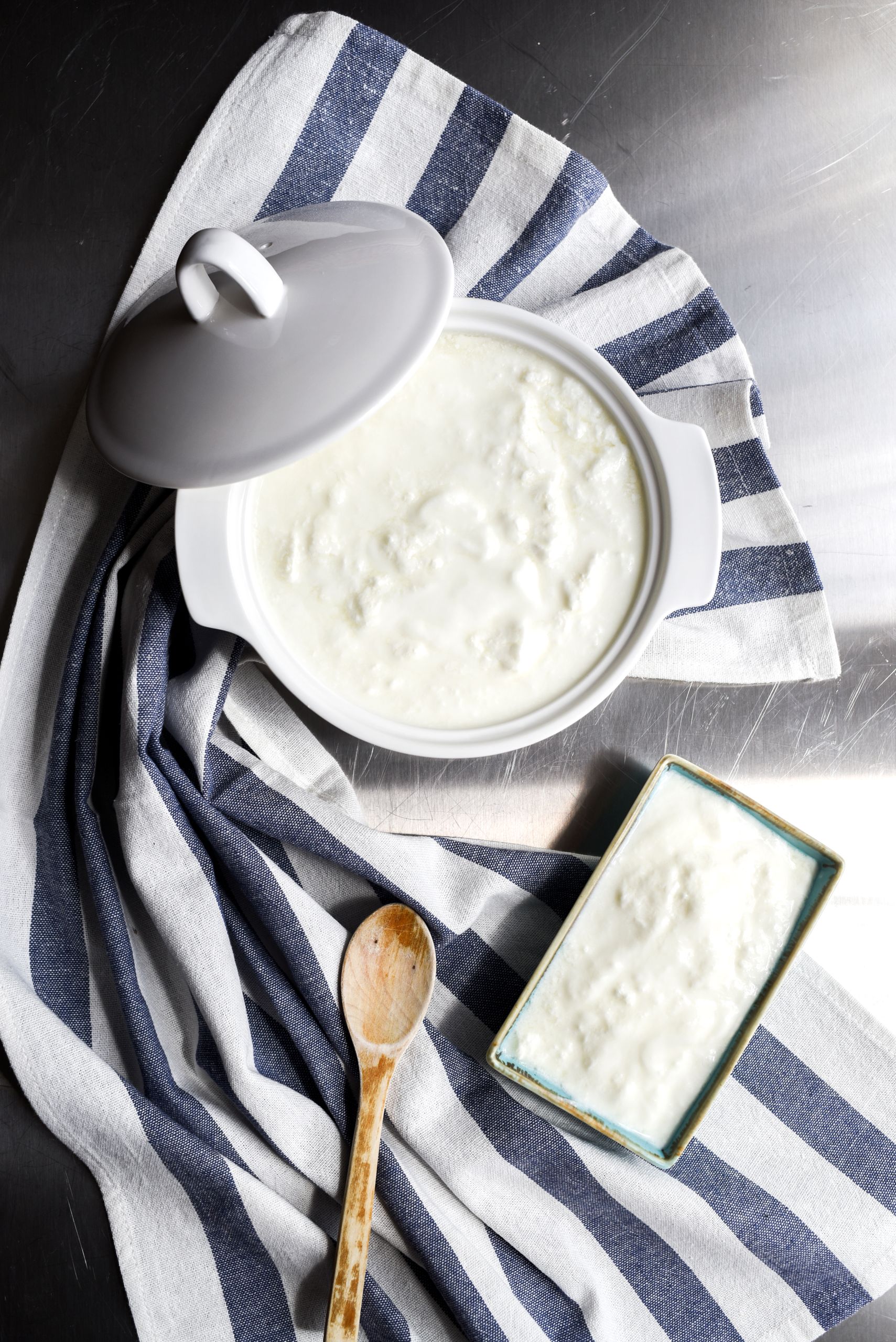
- Dairy: plain full-fat yogurt or small amounts of soft cheese (grated or melted into foods)
- Wheat: soft toast strips, baby cereal, or well-cooked pasta cut into small pieces
- Soy: soft tofu cubes or mashed tofu mixed into purees or grains
- Fish: well-cooked, low-mercury fish (like salmon or cod), flaked into very small pieces
- Tree nuts: smooth nut butters thinned or finely ground nuts mixed into soft foods
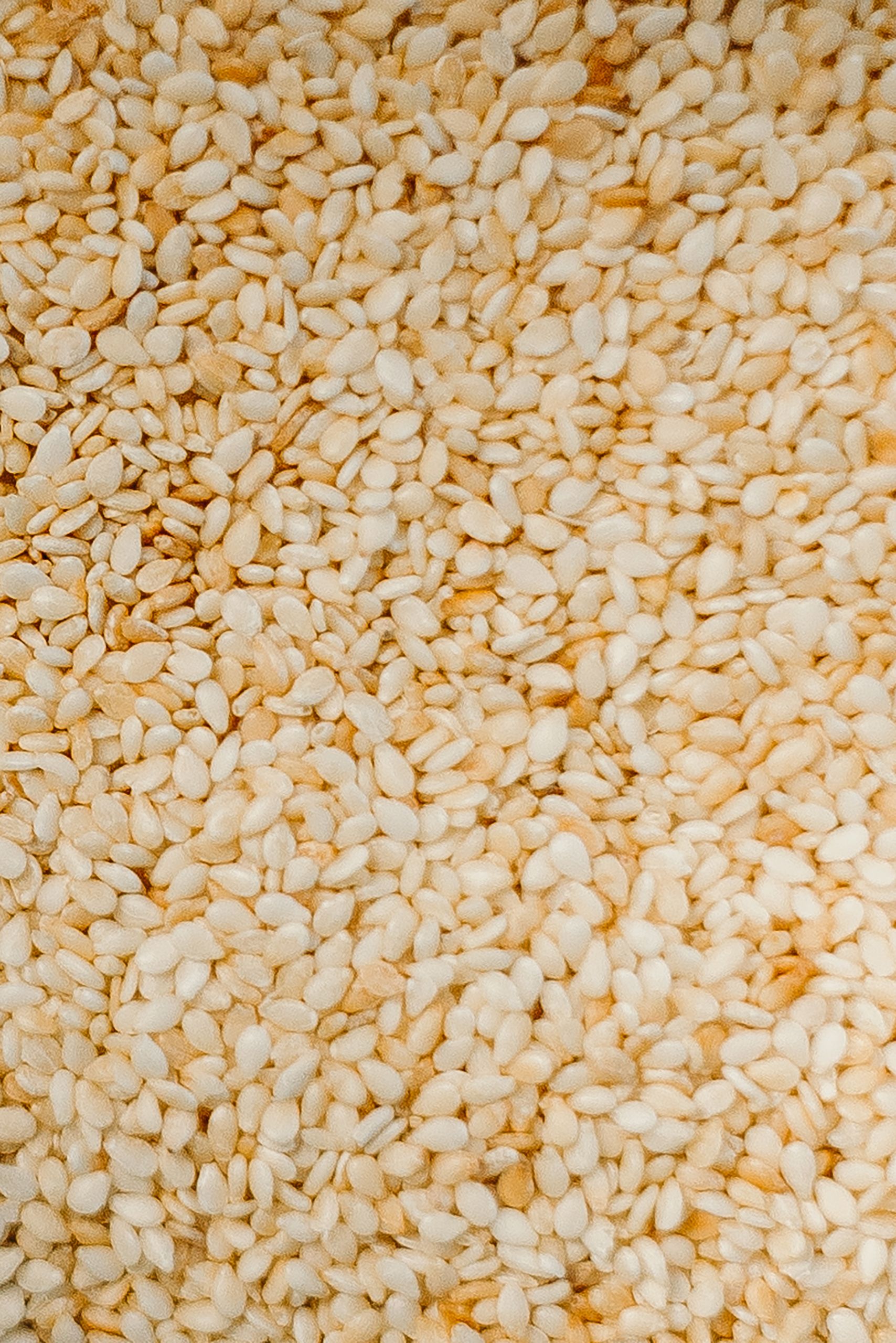
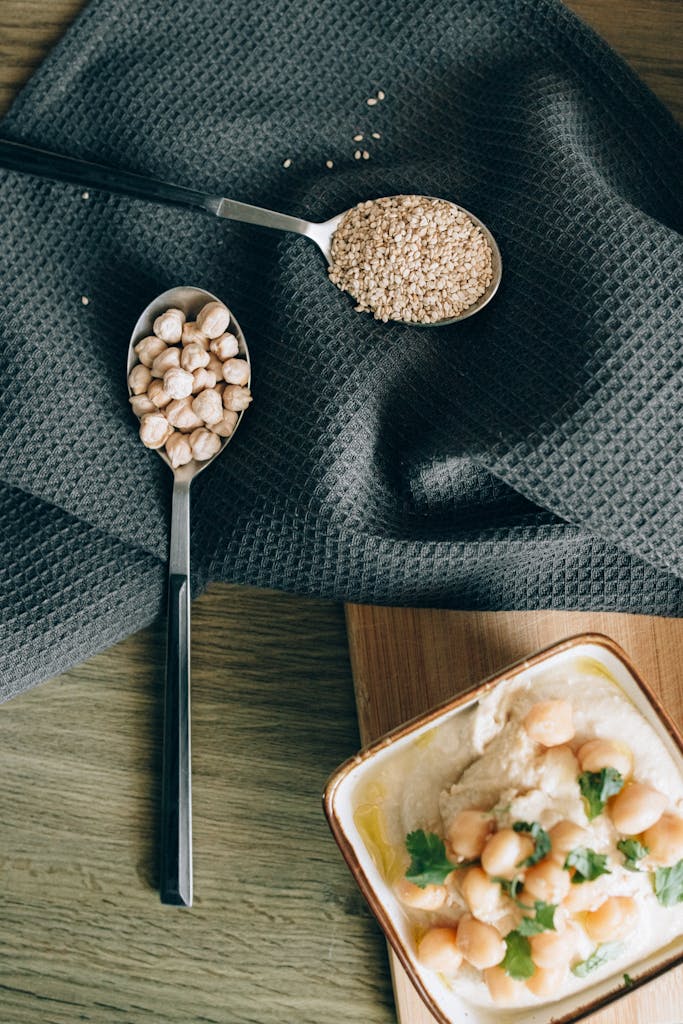
- Sesame: tahini thinned into a drizzle, stirred into oatmeal, or blended into purees
- Shellfish: finely chopped, well-cooked shellfish added into soft, mixed dishes once texture is appropriate
A good rule of thumb: if it’s sticky, chunky, or hard, it needs to be modified before serving. Stick to foods that are smooth, soft, and mashable, especially for younger babies that are just starting solids.
Sample allergen introduction schedule
If you’re wondering how to actually fit allergen introduction into real life (between naps, diaper changes, and everything else), a simple schedule can make it feel a lot more manageable.
Here’s a sample way to space it out:
Week 1
- Day 1: peanut
- Days 2-3: continue peanut if tolerated
- Day 4: egg
- Days 5-6: continue egg if tolerated
Week 2
- Day 1: dairy
- Days 2-3: continue dairy if tolerated
- Day 4: wheat
- Days 5-6: continue wheat if tolerated
Week 3
- Day 1: soy
- Days 2-3: continue soy if tolerated
- Day 4: fish
- Days 5-6: continue fish if tolerated
Week 4
- Day 1: tree nuts
- Days 2-3: continue tree nuts if tolerated
- Day 4: sesame
- Days 5-6: continue sesame if tolerated
- Day 7: shellfish (if developmentally appropriate and texture is safe)
A few things to keep in mind as you get started:
- you don’t need to rush, so stretch this out even longer if needed
- once a food is tolerated, keep offering it regularly (a few times per week is ideal)
- you can absolutely mix in previously introduced allergens with other meals
FAQ
More helpful articles
25 Easy Protein Swaps for Weight Loss
Healthy Pantry Staples to Start Stocking up On

How to Get Your Toddler to Eat Vegetables (7 RD-Approved Strategies)
Tips for Vegetarians: How to Optimize Your Diet

Simple Ways to Sneak More Vegetables Into Meals

Top 9 Dietitian-Approved Healthy Eating Hacks

Brain-Healthy Grocery List: What to Buy for Better Focus, Memory, and Mood
How to Lose Weight Without Feeling Hungry All the Time
What Does a Balanced Meal Look Like? Simple Guide + Meal Ideas

16 Healthiest Pizza Toppings
Conclusion
Introducing allergens to your baby doesn’t have to be overwhelming. Start once they’re ready for solids, offer safe, age-appropriate textures, and introduce one new allergen at a time so you can easily monitor how they respond.
Most babies tolerate allergenic foods well, especially when they’re offered early and consistently. However, if anything feels uncertain, your pediatrician can help guide you based on your baby’s individual risk factors.