How to Get Your Toddler to Eat Vegetables (7 RD-Approved Strategies)
Quick summary
For a lot of parents, figuring out how to get a toddler to eat vegetables can feel like one of the most frustrating parts of mealtime. One day they may love carrots and green beans, and the next day those same veggies are met with a full-on toddler side-eye. Unfortunately, it can often start to feel like you’re serving food only for it to be immediately rejected.
That said, picky eating with veggies is incredibly common at this stage, and it doesn’t mean you’re doing anything wrong. With a mix of patience, repetition, and a few simple strategies, you can help your toddler slowly become more open to trying (and maybe even enjoying) veggies over time.
Here are 7 dietitian-approved tips for how to get your toddler to eat vegetables, plus a few toddler-friendly veggie ideas to make mealtime more fun and less stressful.
Why toddlers reject vegetables
If it feels like your toddler would rather survive on crackers and fruit than touch a single broccoli floret, welcome to the club. Many toddlers (mine included!) go through a phase where vegetables suddenly become the enemy, even if they happily ate them as babies.
While it can be frustrating, this behavior is actually a normal part of development. In fact, some research shows that up to 50% of kids experience picky eating at some point.
One reason is that toddlers are naturally cautious about new foods. The scientific term for this is “food neophobia,” which is basically just a fear or avoidance of unfamiliar foods.
Since many vegetables have bitter flavors, unique textures, or bright colors, they can seem especially suspicious to a little one who’s still figuring out what they like. A toddler may need to see the same food many times before feeling comfortable enough to actually taste it.
Toddlers are also learning independence and testing boundaries, and saying “no” to vegetables can become an easy way to exercise control at mealtime.
Add changing appetites, growth spurts, distractions, and shifting preferences to the mix and it’s easy to see why vegetables often end up pushed to the side of their plate.
Luckily, vegetable refusal is usually a phase, and there are several strategies that can help encourage a more adventurous eater over time.
Stay in the loop!
HEALTHY EATING TIPS & RECIPES delivered directly TO YOUR INBOX
Tips to get your toddler to eat vegetables
Vegetables tend to be one of the most common mealtime sticking points for toddlers. However, the way you serve and approach veggies can make a surprising difference in how they’re received. Here are some ideas for how to get your toddler to eat vegetables.
1. Keep exposing them to vegetables
One of the most effective ways to get a toddler to eat vegetables is also one of the simplest: keep offering them.
If your toddler refuses peas today, that doesn’t mean they’ll refuse them forever. Consistency is key, so don’t give up. It can take many exposures before a child is willing to try a new food, and even more before they decide they actually like it.
Even if your toddler doesn’t take a bite, seeing vegetables regularly on their plate helps build familiarity and can make them feel less intimidating over time.
2. Avoid adding pressure
When you’re eager for your toddler to eat more vegetables, it can be tempting to bargain, beg, or plead with them to take a bite. However, pressuring children to eat often backfires and can make vegetables feel even less appealing.
Mealtimes tend to go more smoothly when parents decide what foods are offered and children decide whether and how much they want to eat.
Instead of turning vegetables into a battle, try keeping the mood light and positive. The less pressure your toddler feels, the more likely they are to approach new foods with curiosity rather than resistance.
3. Try serving veggies in different forms
A vegetable that gets rejected one way may be happily eaten another. That’s because toddlers can be surprisingly particular about textures, temperatures, colors, and even the way food is cut.
If steamed broccoli isn’t a hit, roasted broccoli with crispy edges or finely chopped broccoli mixed into a favorite dish might get a very different response.
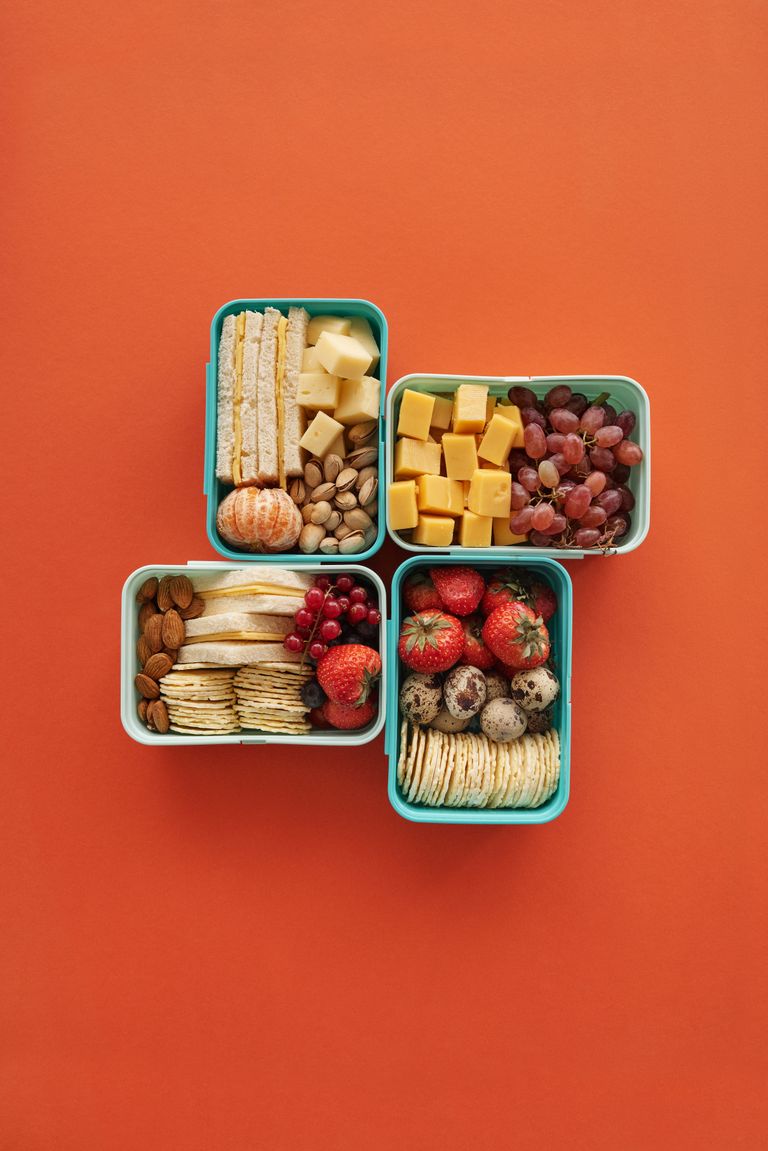
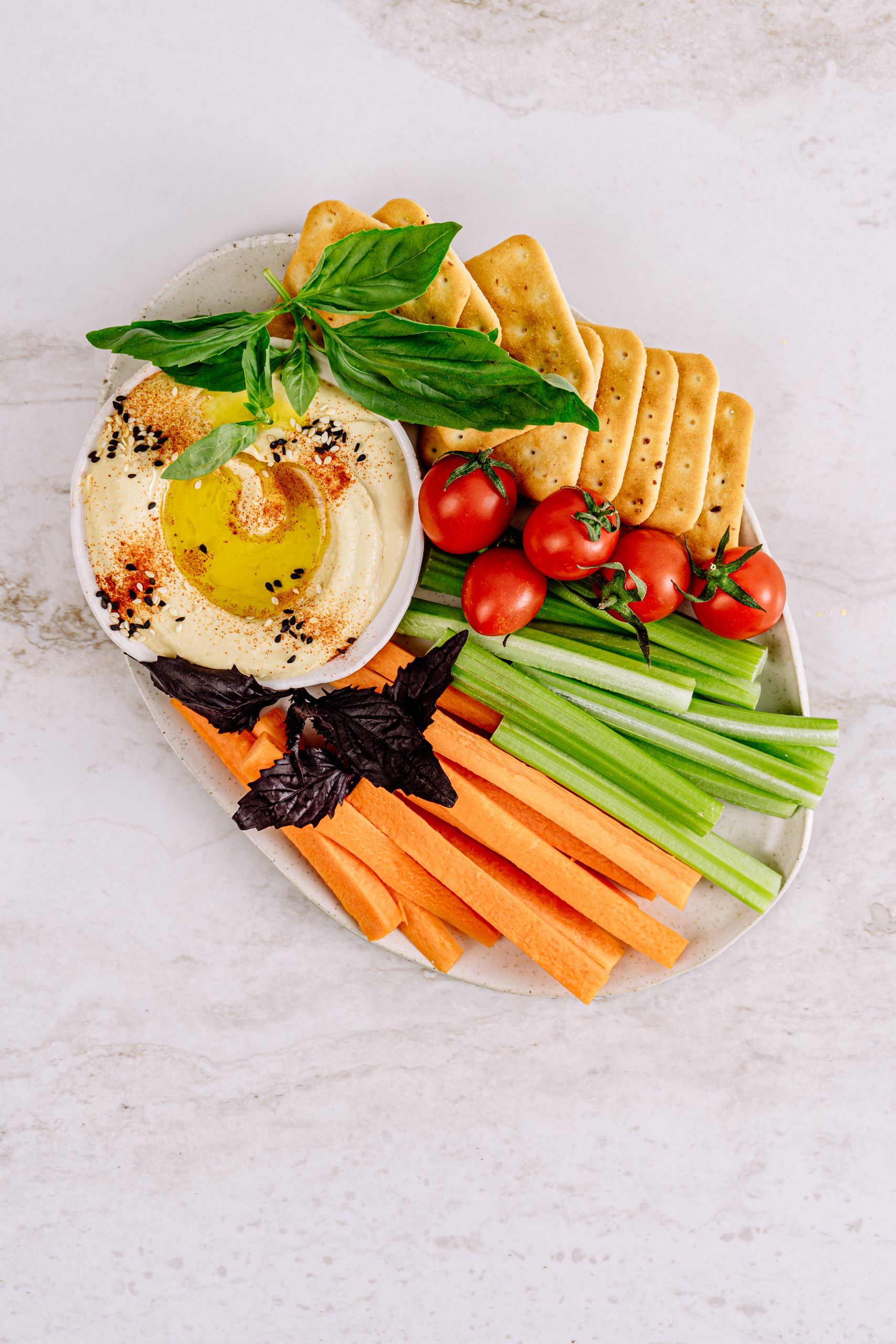
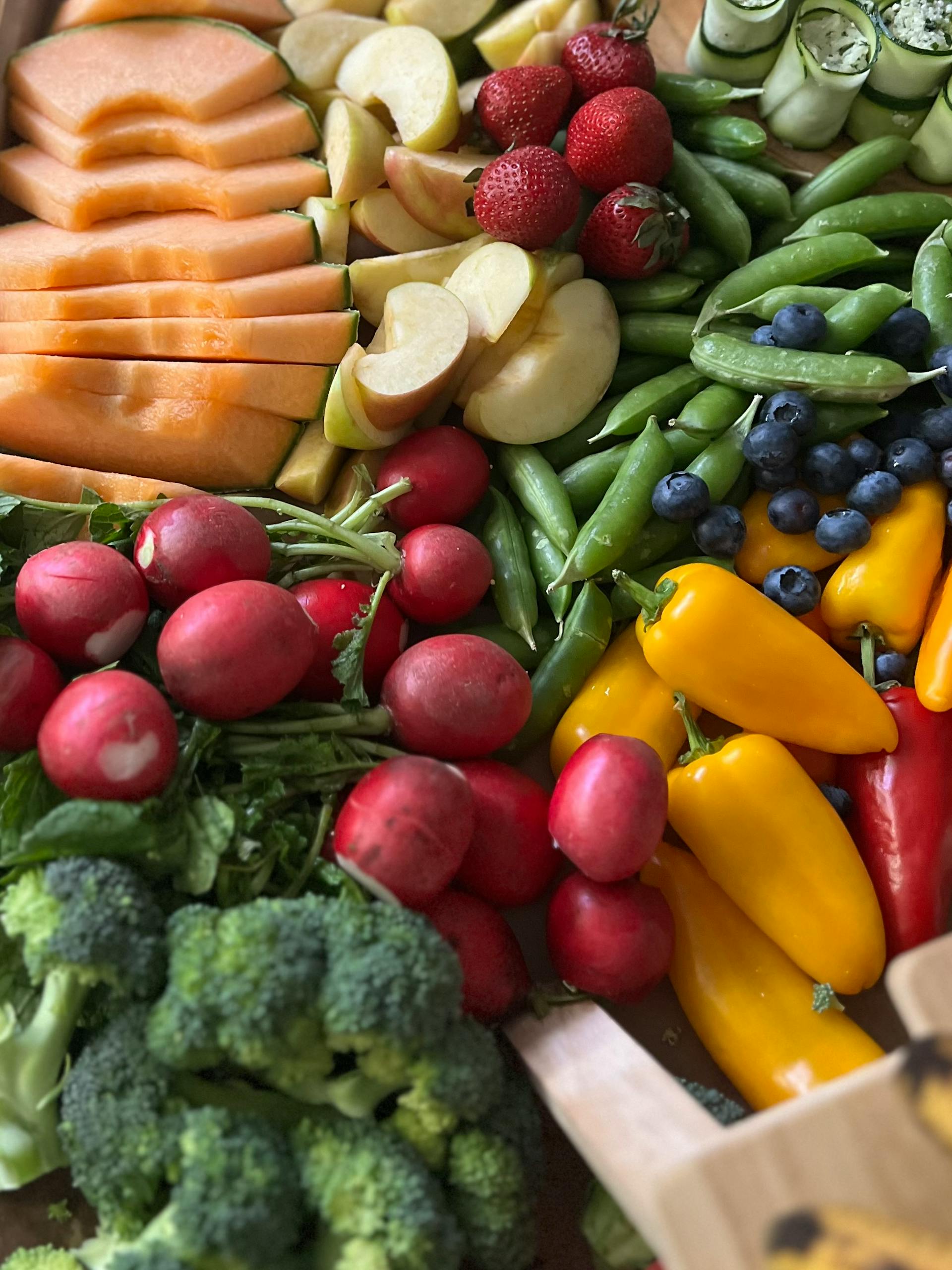
Experiment with a variety of preparations to find what your toddler enjoys. Try serving vegetables raw, roasted, steamed, sautéed, blended into soups, or paired with dips like hummus or yogurt-based dressings. You can also cut vegetables into fun shapes or offer them as part of a snack plate.
A little variety can go a long way when it comes to helping your toddler become more comfortable with veggies.
4. Pair with other familiar foods
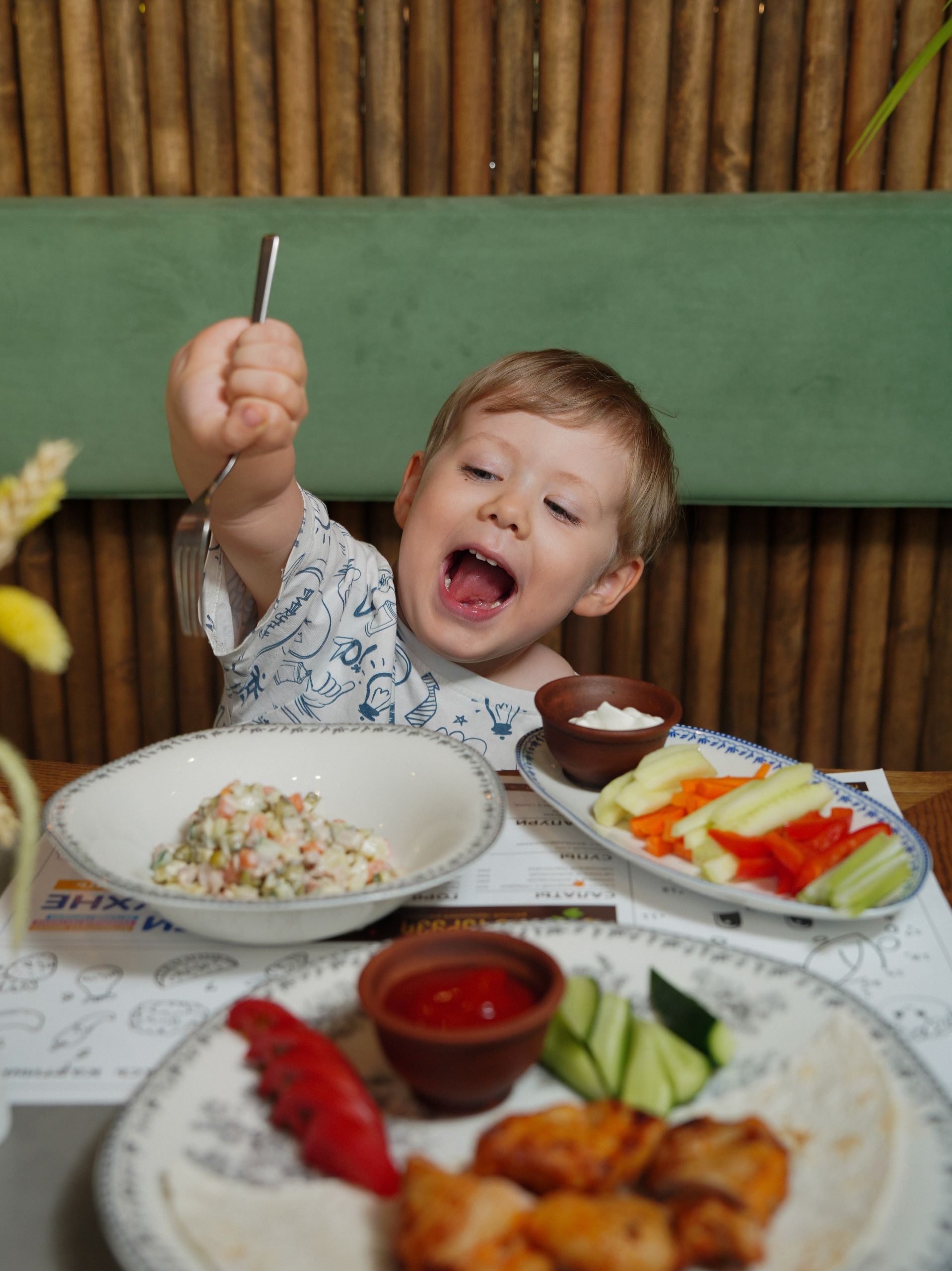
A plate filled entirely with unfamiliar foods may be overwhelming, but adding a small portion of vegetables next to their favorites can help create a more comfortable eating experience.
For example, you might serve roasted sweet potatoes alongside chicken nuggets, add cucumber slices to a sandwich, or mix some spinach into pasta.
Seeing vegetables as a normal part of meals can help increase acceptance over time. Plus, familiar foods provide a sense of security that may make your toddler more willing to explore something new.
5. Break out the spices
Vegetables don’t have to be bland to be toddler-friendly. A sprinkle of herbs or mild spices can add flavor and make vegetables more appealing, especially for little ones who enjoy bolder tastes.
Sprinkle a little cinnamon on sweet potatoes, add a dash of garlic powder to roasted broccoli, or try a pinch of cumin on carrots.
You can also use fresh herbs, lemon juice, simple dressings, or seasoning blends to add more variety and flavor.
6. Encourage playing with food
This probably sounds a little counterintuitive, but letting toddlers play with their veggies can actually help them feel more comfortable around them.
For many toddlers, food is as much about exploration as it is about eating. Touching, smelling, squishing, or even arranging vegetables on the plate helps reduce fear and builds familiarity in a low-pressure way.
You can make dinner even more fun by turning veggies into simple shapes or faces on the plate. Let them dip, stack, or even help you build a snack plate with different colors and textures to spark curiosity about veggies.
7. Model healthy eating habits
Toddlers pick up on everything, especially when it comes to food. If they see you regularly enjoying vegetables, they’re more likely to view them as normal, safe, and even desirable. On the flip side, if vegetables are always pushed aside or talked about negatively, toddlers will notice that too.
Try to include vegetables in your own meals and show genuine enjoyment while eating them. You don’t need to make a big production out of it, but even just casually eating your salad, roasted veggies, or veggie-packed stir-fry at the dinner table can go a long way.
Common mistakes to avoid
Even with the best intentions, it’s easy to accidentally make vegetables a bigger challenge than they need to be. Here are a few common missteps that can unintentionally reinforce picky eating patterns:
- turning vegetables into a power struggle with pressure, bribing, or negotiations
- giving up after just a few rejections instead of offering foods repeatedly over time
- labeling vegetables as “yucky” or acting surprised if your toddler doesn’t like them
- making separate meals for your toddler that leaves veggies off the plate completely
- overloading the plate with too many new foods at once instead of introducing gradually
Easy toddler-friendly vegetable ideas
Getting vegetables onto a toddler’s plate doesn’t have to involve elaborate recipes or picture-perfect plating. Simple, familiar-style foods with a veggie twist can make all the difference. Here are some easy, low-pressure ideas to try at home:
- roasted sweet potato wedges
- mini veggie muffins made with carrots or zucchini
- mac and cheese with hidden blended veggies
- smoothies blended with spinach, avocado, or cauliflower
- quesadillas with spinach or finely shredded zucchini
- veggie fries, like baked carrots, zucchini, or parsnips
- pasta with finely chopped veggies
- hummus served with cucumber sticks, bell pepper strips, or pita bread
- scrambled eggs with chopped veggies mixed in
- hidden veggie waffles with grated zucchini
FAQ
More helpful articles
Conclusion
Helping your toddler eat vegetables is all about patience, consistency, and creativity. Most picky eating phases are totally normal, and with repeated exposure, experimentation, low pressure, and fun ways of serving veggies, things usually improve over time.
Keep it light, keep it consistent, and trust that progress often happens in small (and sometimes very sneaky!) steps.