A Dietitian’s Guide to Healthier Alternatives to Keto
Quick summary
Keto can work well for some, but it’s not always safe, sustainable, or realistic for everyone. If you’re tired of cutting out bread, pasta, and fruit just to try and stay in ketosis, you’re in luck. There are plenty of healthier alternatives to keto available that can fuel your body, keep you feeling full, and let you enjoy the foods you love, without counting every carb.
In this article, we’ll explore some of the best options, break down their benefits, and give you some practical tips for making the switch.
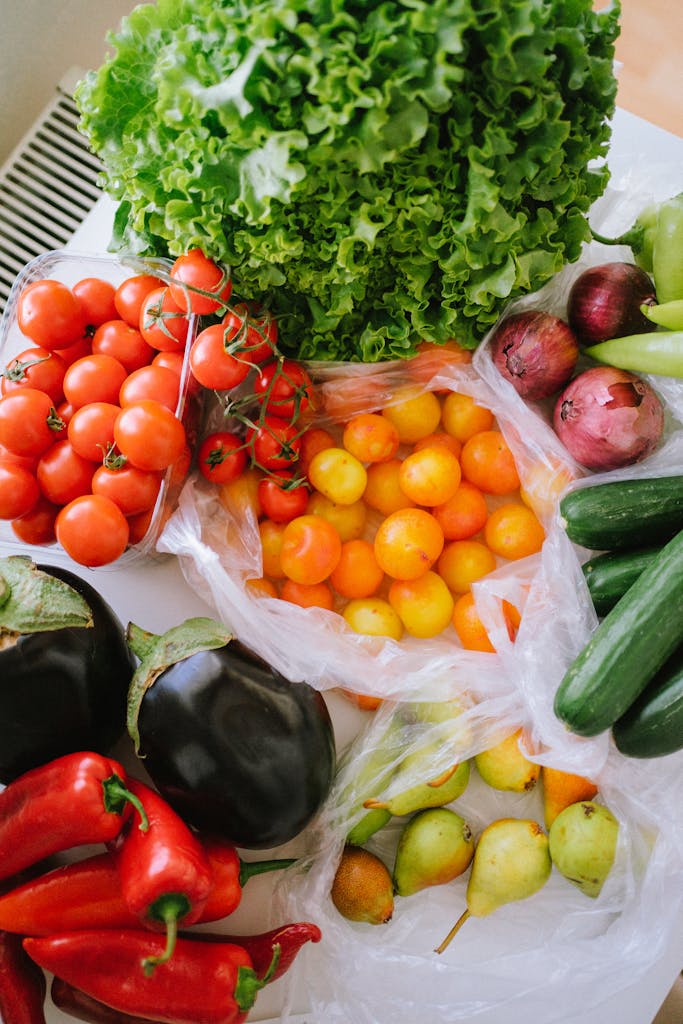
Common challenges of the keto diet
While the keto diet can lead to short-term results for some people, it’s not always easy to follow and can often be very difficult to maintain long-term.
One of the biggest challenges is related to how restrictive it is. By drastically limiting carbs, the keto diet cuts out many staple foods like fruits, whole grains, and even certain veggies, which might make meals feel repetitive and harder to enjoy.
Another common issue is low fiber intake. Because many high-carb foods are also rich in fiber, following a keto diet can sometimes lead to digestive issues like bloating or constipation. Over time, this lack of variety may also take a toll on your gut health and overall nutrient intake.
Energy levels can also be a concern, especially when you’re first getting started.
Some people experience what’s often called the “keto flu,” which can include fatigue, headaches, and brain fog as your body adjusts to burning fat for fuel instead of carbs. But even beyond the initial phase, not everyone feels their best on a very low-carb diet.
Finally, the keto diet can be challenging to stick to in real life. Social events, dining out, and busy schedules can make it difficult to follow such strict guidelines consistently.
What to look for in a healthier alternative to keto
If you’re moving away from keto, your goal should be to find a way of eating that feels balanced and sustainable in the long run. Look for a style of eating that:
- Emphasizes balance: Instead of eliminating entire food groups, eating patterns should include a balanced mix of carbs, protein, and healthy fats.
- Focuses on whole foods: Stick to diets that prioritize nutrient-dense foods like fruits, vegetables, whole grains, and legumes.
- Supports long-term sustainability: Select a eating style that can be easily followed long-term, without strict rules or constant tracking.
- Allows for flexibility: Pick a plan that fits your lifestyle and preferences, allows you to enjoy your favorite foods from time to time, and makes room for social events.
- Keeps meals enjoyable: Choose an approach that feels satisfying and realistic, which might make it easier to stick with over time.
Stay in the loop!
HEALTHY EATING TIPS & RECIPES delivered directly TO YOUR INBOX
Healthier alternatives to keto
If you’re looking for a more balanced and sustainable way of eating, there are several healthier alternatives to keto that can help you reach your goals, without rigid rules or restrictions.
1. Reduced carb diet
You can still cut back on sugar and refined carbs without going all-in on keto. If you like the idea of eating fewer carbs but don’t want the strictness of keto, a more moderate low-carb approach (also called a reduced carb diet) can be a great alternative.
Instead of eliminating carbs almost entirely, this method focuses on reducing refined carbs like sugar and white bread while still including whole grains, fruits, and veggies.
It can also be beneficial for health. In fact, some research has found that moderately low-carb diets can be useful for weight loss, but with more flexibility than strict ketogenic diets.
2. Plant-based diet
A plant-based diet focuses on whole plant foods like vegetables, fruits, legumes, whole grains, nuts, and seeds. Some variations of plant-based diets include animal products like meat, eggs, and dairy in small amounts, while others may eliminate them altogether.
Plant-based diets are naturally high in fiber and rich in nutrients, which can support gut health, heart health, and satiety.
They’ve also been tied to a long list of health benefits, including a lower risk of heart disease, diabetes, and even certain types of cancer.
Beyond their potential health perks, plant-based diets are also a great way to add diversity to your diet while moving away from restrictive eating patterns like keto.
3. Mediterranean diet
The Mediterranean diet is often considered one of the healthiest alternatives to keto.
It emphasizes whole foods like vegetables, fruits, whole grains, legumes, fish, nuts, and olive oil, while limiting highly processed foods.
This approach is rich in fiber and healthy fats, making it especially beneficial for heart health, weight management, and digestion.
Studies show that the Mediterranean diet may be linked to a lower risk of diabetes, high blood pressure, metabolic syndrome, obesity, and cognitive decline.
And unlike keto, there are no strict rules, which means there’s no need to count carbs or meticulously measure your food.
4. Mindful eating
Unlike other diet patterns, mindful eating is less about what you eat and more about how you eat.
This approach encourages listening to your body, paying closer attention to hunger and fullness cues, eating slowly, and enjoying your meals without any rules or regulations.
Research shows that mindful eating can improve self-regulation, reduce emotional eating, and promote a more positive relationship with food.
If you prefer an option with full freedom and flexibility to make your own food choices (along with some pretty impressive science-backed benefits), mindful eating might be worth a try.
5. Balanced whole foods diet
Sometimes the simplest approach is the most effective. A balanced whole foods diet focuses on real, minimally processed foods — think fruits, veggies, whole grains, lean proteins, and healthy fats.
There are no strict rules and no foods are off-limits. Instead, it’s all about picking foods that fuel your body and help you feel your best.
Best of all, it’s also incredibly flexible, so you can mix and match ingredients based on what you enjoy, what’s in season, or whatever fits your lifestyle or mood.
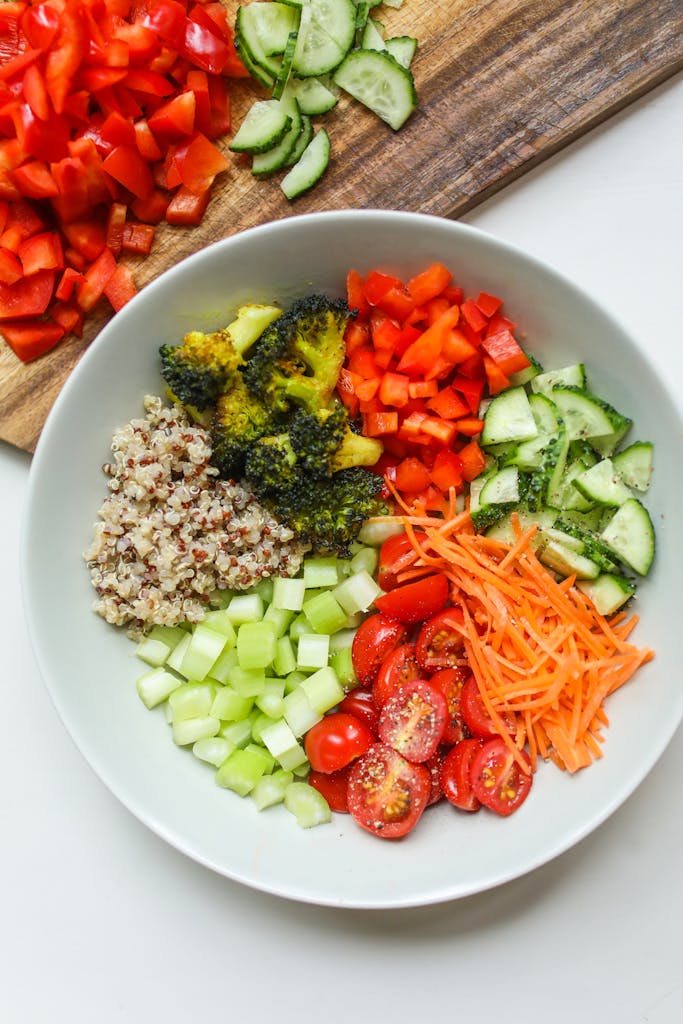
Keto vs. healthier alternatives
Wondering how keto stacks up against other diet plans? Here’s a quick side-by-side comparison to highlight the similarities and differences.
| Main focus | Food variety | Ease of following | Sustainability | Nutrient balance | Fiber intake | |
|---|---|---|---|---|---|---|
| Keto diet | cutting out carbs, prioritizing fat | limited | difficult and time-consuming | hard long-term | may be limited | often low |
| Reduced carb diet | reducing refined carbs | moderate flexibility | more flexible than keto | sustainable for most | generally balanced | moderate to high |
| Plant-based diet | emphasizing plant foods | wide variety | flexible, with planning | highly sustainable | balanced | high |
| Mediterranean diet | focusing on whole foods and healthy fats | wide variety | easy | highly sustainable | balanced | high |
| Mindful eating | increasing awareness of hunger and fullness cues | no restrictions | simple and intuitive | highly sustainable | varies based on food choices | depends on food choices |
| Whole foods diet | overall balance | wide variety | easy | highly sustainable | balanced | high |
Benefits of choosing a keto alternative
While the keto diet may offer short-term results, many people find that a more balanced approach is easier to maintain and better for overall health in the long run. Potential benefits of ditching keto include:
- Sustainability: Diets that include a variety of whole foods are easier to stick with, making it more likely that you’ll see lasting results. Instead of cycling on and off restrictive plans, a balanced approach helps create more consistent habits.
- Better gut health: Keto is typically low in fiber, whereas most alternatives include fiber-rich foods like fruits, vegetables, whole grains, and legumes. This supports better digestion, helps maintain a healthy gut microbiome, and can keep you feeling fuller for longer.
- Increased energy: Including complex carbs in your diet provides your body with a steady source of fuel, helping reduce the fatigue, brain fog, and energy crashes that many may experience on very low-carb diets.
- Flexibility: Other balanced diet plans allow you to include a wider range of foods in your menu, making meals more satisfying and enjoyable while still supporting your health goals.
Sample meal plan
Here’s an example of a full day of meals that follows a balanced, nutrient-rich approach instead of strict keto. This plan includes protein, healthy fats, fiber, and plenty of whole foods to keep energy steady and support overall health.
- Breakfast: oatmeal with chia seeds, chopped walnuts, and blueberries
- Lunch: Roasted Chickpea and Potato Kale Bowl with Creamy Avocado Dressing
- Dinner: baked salmon with quinoa, steamed broccoli, and roasted sweet potato wedges
- Snacks: veggie sticks with hummus; apple slices with peanut butter; whole-grain crackers with cheese
FAQ
More diet trends

Fibermaxxing: A Dietitian’s Guide to Eating More Fiber
Seed Cycling for Hormones: Does It Actually Work?

Why Fad Diets Cause Weight Regain (and What to Do Instead)

Volume Eating for Weight Loss: A Dietitian’s Guide

Fad Diets to Avoid: 7 Popular Plans That Could Harm Your Health

What Is the MIND Diet? A Dietitian Explains
Conclusion
Choosing a healthier alternative to keto lets you enjoy a wide variety of foods and build healthy habits that last. From Mediterranean-inspired meals to plant-based bowls or mindful eating practices, these approaches make it easier to nourish your body, promote long-term health, and — most importantly — actually enjoy the foods you eat.