7 Simple Ways to Increase Calcium Intake Without Dairy
Quick summary
When you think of calcium, milk, cheese, and yogurt probably pop into your mind first. But whether you’re lactose intolerant, follow a plant-based diet, or just want to cut back on dairy, there are plenty of ways to meet your calcium needs without it.
Luckily, there are tons of delicious and versatile options that can help. Leafy greens, tofu, beans, nuts, seeds, and fortified foods all provide calcium, along with other important nutrients your body needs.
In this post, we’ll cover simple ways to increase your intake of calcium without dairy, including practical tips, meal ideas, and even a sample day of high-calcium foods. We’ll also explore why calcium is important, how much you need, and some easy ways to boost its absorption.
Why calcium matters
When most people think of calcium, they think of strong bones, but its role in your body goes way beyond that.
Calcium is essential for maintaining bone density and supporting long-term health, but it also plays a key role in muscle contractions, nerve signaling, and even keeping your heartbeat steady.
Getting enough calcium through your diet is especially important because your body can’t produce it on its own. If your calcium intake is too low, your body can start pulling calcium from your bones to keep everything else running, which can take a toll on your health over time.
This is why finding practical ways to increase calcium intake without dairy is so important, especially if you’re lactose intolerant, following a vegan diet, or simply don’t eat a lot of dairy products.
Luckily, with the right mix of foods, it’s completely possible to meet your needs to support healthy calcium levels naturally.
Signs and symptoms of low calcium
Not getting enough calcium doesn’t always cause obvious symptoms right away, but over time, low calcium levels can start to show up in subtle (and sometimes surprising) ways.
Some common signs of low calcium include:
- muscle cramps or spasms
- tingling in the hands and feet
- fatigue
- brittle nails
- trouble concentrating
- irritability
- bone loss or an increased risk of fractures
Because these symptoms can be easy to overlook, it’s important to make sure you’re getting plenty of calcium-rich foods in your diet, regardless of whether or not you eat dairy.
Can you get enough calcium without dairy?
Even though milk, cheese, and yogurt are often considered the most common sources of calcium, there are plenty of non-dairy calcium sources that can help you meet your daily needs.
Foods like leafy greens, tofu, beans, seeds, nuts, and fortified products (such as plant-based milks and orange juice) can all contribute a good amount of calcium to your diet.
The key to getting enough calcium without dairy is variety. Different foods contain different amounts, and absorption can vary depending on the source, so including a mix of high-calcium foods throughout the day makes it much easier to reach your target.
Stay in the loop!
HEALTHY EATING TIPS & RECIPES delivered directly TO YOUR INBOX
Simple ways to increase calcium intake without dairy
Meeting your calcium needs without dairy is easier than you might think. By adding a variety of calcium-rich foods to your daily diet, you can support strong bones, muscles, and overall health.
Here are some simple, practical ways to increase calcium intake naturally.
1. Eat more leafy greens
Leafy greens like kale, spinach, Swiss chard, collard greens, and turnip greens are all excellent sources of calcium. Toss them into salads, smoothies, stir-fries, or soups for an easy way to bump up your intake.
2. Increase your intake of tofu
Tofu made with calcium sulfate is a powerhouse of calcium, providing roughly 860 milligrams (mg) per 1/2 cup, or around 66% of the recommended Daily Value (DV). Use it in stir-fries, salads, or even baked dishes for a plant-based calcium boost.
3. Choose fortified foods and drinks
Many plant-based milks, juices, and cereals are fortified with calcium. Look for products marked as “calcium-fortified” or check the label to see how much calcium they provide per serving.
Fortified foods are especially helpful if you don’t eat a lot of leafy greens or tofu, and they can be a convenient way to make sure you’re meeting your daily calcium needs.
4. Snack on nuts and seeds
Chia seeds, sesame seeds, flaxseeds, and almonds are all excellent sources of calcium. Sprinkle them on oatmeal, salads, and yogurt alternatives, or enjoy them as a convenient snack. They’re also rich in magnesium and healthy fats, both of which support bone health.
5. Add beans and lentils to your diet
White beans, chickpeas, lentils, and black beans provide calcium, along with protein and fiber. Including them in your regular rotation can help you meet your daily calcium needs while also giving your gut health a boost.
Add them to soups, stews, salads, or dips for an easy way to increase your calcium intake without dairy. You can even mash chickpeas for a tasty spread, roast beans for a crunchy snack, or blend lentils into sauces to add extra calcium to your diet.
6. Cook with calcium-dense ingredients
Mineral-rich broths, calcium-fortified nutritional yeast, and ground sesame seeds (aka tahini) are all easy ways to increase your calcium intake without dairy.
Stir tahini into dressings, sauces, or smoothies, sprinkle nutritional yeast over popcorn or pasta, and use broths as the base for soups and stews.
These small additions make it simple to sneak extra calcium into your daily meals without drastically changing what you eat.
7. Make a few simple swaps
Small substitutions can have a big impact. Swap regular flour for fortified flour in baking, replace cow’s milk with fortified plant milk, or use almond butter instead of other spreads. Even these small changes help increase your calcium intake, without overhauling your entire diet.
Calcium-rich foods without dairy
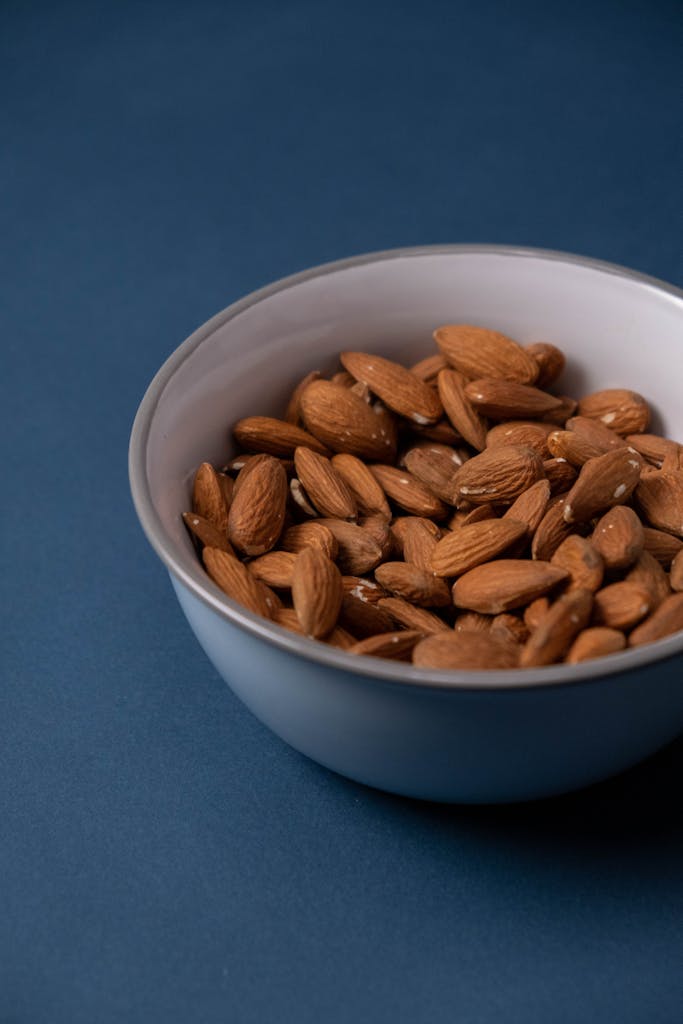
There are plenty of delicious non-dairy foods that can help you meet your daily needs for calcium. Here’s a handy list of calcium-rich options to include in your meals:
| Ingredient | Serving size | Approx calcium (mg) | % DV |
|---|---|---|---|
| Tofu (raw, prepared with calcium sulfate) | 1/2 cup | 860 | 66% |
| Fortified almond milk | 1 cup | 450 | 35% |
| Fortified orange juice | 1 cup | 415 | 32% |
| Canned sardines | 1 can (3.75 oz) | 350 | 27% |
| Fortified soy milk | 1 cup | 300 | 23% |
| Spinach (cooked) | 1 cup | 245 | 19% |
| Fortified instant oats (cooked) | 1 cup | 190 | 15% |
| Kale (cooked) | 1 cup | 180 | 14% |
| Chia seeds | 1 oz | 180 | 14% |
| Bok choy (cooked) | 1 cup | 160 | 12% |
| White beans (cooked) | 1 cup | 160 | 12% |
| Tahini | 2 tbsp | 130 | 10% |
| Almond butter | 2 tbsp | 110 | 8% |
| Swiss chard (cooked) | 1 cup | 100 | 8% |
| Chickpeas (cooked) | 1 cup | 80 | 6% |
| Almonds | 1 oz | 75 | 6% |
| Black beans (cooked) | 1 cup | 45 | 3% |
| Lentils (cooked) | 1 cup | 40 | 3% |
| Quinoa (cooked) | 1 cup | 30 | 2% |
| Broccoli (cooked) | 1/2 cup | 30 | 2% |
| Nutritional yeast | 2 tbsp | 10 | 1% |
How much calcium do you need?
Calcium requirements vary by age, sex, and life stage.
For most adults, the recommended daily amount is 1,000 mg, while women over 50 and everyone over 70 need about 1,200 mg per day. Teenagers, whose bones are still developing, require 1,300 mg daily.
Getting the right amount of calcium is crucial for strong bones, healthy teeth, and proper muscle and nerve function.
Tips to increase calcium absorption
Getting enough calcium from food is only part of the equation, and absorbing it efficiently is just as important. Even the best non-dairy sources won’t help if your body can’t use the calcium effectively. Here are some effective ways to boost absorption:
- Pair calcium with vitamin D: Vitamin D helps your body absorb calcium more efficiently. Try getting a little sunlight each day or including vitamin D-fortified foods in your daily diet.
- Spread intake throughout the day: Your body absorbs calcium better in smaller amounts rather than one large serving. Aim to include high-calcium foods at multiple meals during the day.
- Include magnesium-rich foods: Magnesium works alongside calcium for bone health. Foods like nuts, seeds, and leafy greens can help support absorption.
- Limit excess sodium and caffeine: High amounts of salt and caffeine can interfere with calcium retention. Enjoy them in moderation to maintain healthy calcium levels.
- Monitor consumption of oxalates and phytates: Foods like spinach, rhubarb, and certain beans contain compounds called antinutrients, which can reduce calcium absorption. For most people, this isn’t a concern, but if you have a calcium deficiency, it might be something to keep an eye on. Cooking, soaking, or pairing these foods with vitamin D or citrus can help.
Sample meal plan with dairy-free calcium
Meeting your calcium needs without dairy is much easier than you might think.
Here’s a simple, one-day sample meal plan that incorporates a variety of calcium-rich foods, without any dairy:
- Breakfast: chia pudding with calcium-fortified almond milk and fresh fruit
- Lunch: Swiss chard pasta with white beans and vegan feta
- Dinner: tofu stir-fry with bok choy, broccoli, and bell peppers
- Snacks: garlic roasted chickpeas, almonds with orange slices, and a smoothie with fortified soy milk, spinach, and bananas
FAQ
More helpful articles

Does Vitamin C Help Colds? What the Science Actually Says

Does Zinc Help Balance Hormones? A Dietitian Explains

Most Common Nutrient Deficiencies in Women and How to Prevent Them

Top 12 Plant-Based Iron Foods: Complete List + Tips to Boost Absorption

Do You Need Vitamin D Supplements? Benefits, Deficiency, and Dosage Explained

9 Easy Ways to Add Magnesium-Rich Foods to Your Diet

12 Potassium-Rich Foods for Blood Pressure: What to Eat for Better Heart Health
Conclusion
Getting enough calcium without dairy is completely achievable when you focus on variety and consistency.
By incorporating leafy greens, calcium-set tofu, beans, seeds, nuts, and fortified foods into your daily diet, you can support strong bones, healthy muscles, and overall wellness.
These easy ways to increase your intake of calcium without dairy make it easy to meet your needs naturally and keep your diet both delicious and nutritious.