Tallow vs. Seed Oils: Which is Healthier?
Quick summary
Tallow vs. seed oils has become one of the more heated debates in nutrition (and not just because both are used for cooking). Tallow is having a major comeback, whereas seed oils have been completely vilified in many corners of the internet.
But is beef tallow actually healthier than seed oils? At the end of the day, tallow and seed oils have very different nutritional profiles, especially when it comes to their saturated and unsaturated fat levels. And while seed oils have received plenty of criticism for their omega-6 content and processing methods, many of those claims don’t line up with what research really shows.
In this article, we’re taking a closer look at tallow vs. seed oils, including how they compare nutritionally, what happens when you heat them, whether omega-6 fats really are a problem, and how each can fit into a balanced diet.
Tallow vs. seed oils at a glance
| Beef tallow | Seed oils | |
|---|---|---|
| Source | rendered beef fat | oil extracted from plant seeds |
| Main types of fat | higher in saturated fat, with some monounsaturated fat | mostly unsaturated fats, including monounsaturated and polyunsaturated fats |
| Omega-6 fats | relatively low | often higher, especially in oils like soybean, corn, sunflower, and safflower |
| Omega-3 fats | very little | some varieties provide ALA |
| Processing | rendered from animal fat | extracted and refined |
| Cooking | good for roasting, frying, and other high-heat cooking methods | suitable for a range of cooking methods, depending on the oil |
| Flavor | rich and savory | mild to neutral |
| Best fit | occasional use for flavor and specific cooking methods | everyday cooking when you want a fat that’s lower in saturated fat |
What is beef tallow?
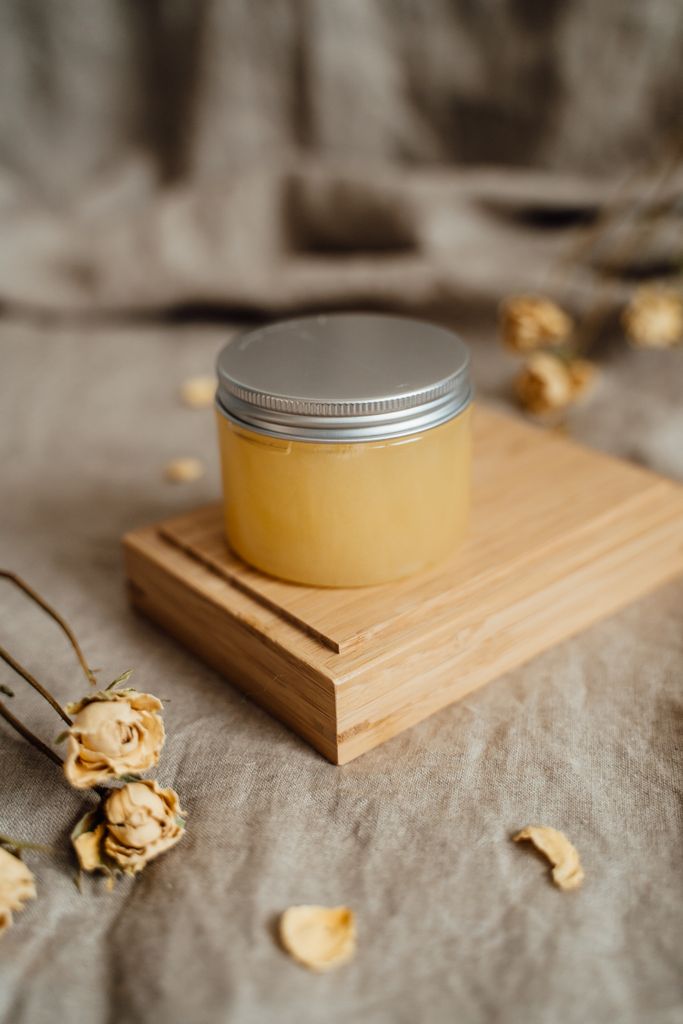
Beef tallow is basically just rendered beef fat. It’s made by slowly heating fatty tissue from cattle to separate the fat from water, connective tissue, and other solids. The liquid fat is then strained and cooled, leaving behind a firm, creamy-white fat that is solid at room temperature.
It can be made from different types of beef fat, including suet, which is the firm fat found around the kidneys and other internal organs.
Nutritionally, tallow is almost entirely fat and contains a mix of saturated, monounsaturated, and smaller amounts of polyunsaturated fatty acids, with saturated fat making up a relatively large share of its total fat content. However, the exact fatty acid composition can vary depending on factors such as the animal and the specific fat used to make the tallow.
Tallow has soared in popularity recently, particularly as interest in traditional foods and minimally processed ingredients has grown. It’s also become part of the backlash against seed oils, with some people arguing that traditional fats like tallow are a more natural and healthier option over modern cooking oils.
It also has some practical perks in the kitchen: it’s relatively heat-stable, has a high smoke point, and adds a savory flavor to foods. It’s especially great for frying, roasting, and recipes where you want a little extra richness.
What are seed oils?
Seed oils are cooking oils made by extracting oil from the seeds of plants. Common examples include:
- canola oil
- soybean oil
- sunflower oil
- safflower oil
- corn oil
- grapeseed oil
Even though seed oils often get lumped together online, they aren’t all nutritionally identical, and their fatty acid profiles can vary quite a bit depending on the specific plant they come from.
That said, most seed oils are rich in unsaturated fats, including monounsaturated and polyunsaturated fats. Many are especially high in linoleic acid, an omega-6 fatty acid that your body needs to get from food. Seed oils also provide about 120 calories per tablespoon, just like other pure fats.
Commercial seed oils are typically extracted and then refined to remove impurities, improve flavor and color, and make the oil more stable and suitable for cooking.
This processing is one reason seed oils are sometimes criticized as being highly processed, along with their omega-6 content and potential oxidation during cooking (more on that below!).
Stay in the loop!
Healthy eating tips & recipes delivered directly to your inbox
How do tallow vs. seed oils compare?
So which ingredient comes out on top between tallow vs. seed oils? Here are a few of the most important considerations.
Saturated fat levels
Tallow contains a relatively high amount of saturated fat, whereas most seed oils contain much less and are made up of mostly unsaturated fats.
Saturated fat isn’t something you need to avoid completely. It’s found in plenty of nutrient-dense foods, including meat, dairy products, nuts, and seeds. The bigger consideration, though, is how much you’re getting overall (or what you’re eating in its place).
That’s because regularly eating more saturated fat can raise LDL cholesterol levels, aka “bad” cholesterol. Higher levels of LDL cholesterol are linked to a higher risk of heart disease, which is why major health organizations like the American Heart Association (AHA) recommend limiting saturated fat and replacing some of it with unsaturated fats when possible.
This is where seed oils have an advantage, at least on paper. Oils such as canola, soybean, sunflower, and safflower are generally much higher in unsaturated fat and lower in saturated fat than tallow.
Of course, that doesn’t mean a drizzle of tallow is going to wreck your diet or that you need to panic the next time you spot it on a menu.
However, when you’re choosing a cooking fat to use regularly, the difference in saturated fat levels is one of the biggest reasons nutrition experts tend to favor unsaturated plant oils over tallow.
Omega-6 content and inflammation
One of the biggest arguments against seed oils is that they’re high in omega-6 fatty acids, which supposedly promote inflammation. It sounds convincing at first, especially because omega-6 fats can be used to make compounds involved in the body’s inflammatory response. But when you dive into the science, it’s a lot more nuanced.
Most seed oils contain a good amount of linoleic acid, an essential omega-6 fatty acid. Essential, in this case, means that your body can’t make it on its own, so you need to get it from food sources, like nuts, seeds, or whole grains.
The concern stems partly from the fact that linoleic acid can be converted into arachidonic acid, which is involved in producing some inflammatory compounds.
That said, inflammation is a totally normal and even necessary part of the immune response, and your body tightly regulates these pathways. As the AHA notes, research doesn’t show that typical omega-6 intake actually increases inflammation.
This is also backed by a systematic review of 30 studies, which found no significant effect of higher linoleic acid intake on markers of inflammation, including C-reactive protein, interleukin-6, or tumor necrosis factor-alpha.
So while seed oils do contain more omega-6 fatty acids than tallow, that doesn’t mean tallow is automatically the more anti-inflammatory choice. When comparing the two, it’s more useful to look at the overall fatty acid profile than to single out omega-6 fatty acids as something to avoid.
Cooking, heat, and oxidation
Seed oils have gotten a reputation for suddenly turning toxic the moment they hit a hot pan. However, the reality is that while heat and oxidation do matter, it’s not quite that simple.
All fats can oxidize when they’re exposed to heat, light, and oxygen, especially at high temperatures or over long periods of time. Oxidation produces compounds that can be harmful in large amounts, which is why repeatedly heating and reusing the same oil (like in a commercial deep fryer) is a different situation from using a little oil to sauté veggies at home.
It’s also worth separating smoke point from oxidation. The term “smoke point” refers to the temperature at which an oil begins visibly smoking, whereas oxidation is a chemical process that can occur before an oil actually reaches its smoke point. So even though smoke point can be useful when choosing an oil for a specific cooking method — especially high-heat methods like frying or roasting — it isn’t a measure of whether an oil is healthy or not.
Ultimately, there’s no need to be afraid of a hot skillet and a bit of seed oil. Avoiding repeatedly reheated or badly overheated oil makes sense, but the idea that cooking with seed oils turns them into toxic ingredients just isn’t supported by science.
Tallow vs. seed oils: Which is healthier?
Curious how tallow vs. seed oils compare? Here are a few of the main factors to consider when deciding which is the better choice.
Natural doesn’t always mean healthier
If something is straight from nature and hasn’t gone through a complicated manufacturing process, it must be better for you, right? Not necessarily. Plenty of completely “natural” foods aren’t very nutritious, just as some foods that have been processed can be very nutrient-dense. Processing, by itself, doesn’t tell you whether or not a food is healthy.
That’s worth keeping in mind when comparing tallow vs. seed oils. Tallow has a pretty appealing backstory: beef fat goes in, you render it, and tallow comes out. Seed oils, on the other hand, can sound a lot less wholesome when you hear about all the extraction, refining, and processing they go through.
However, at the end of the day, what matters most is the food’s nutritional composition and how it fits into your overall eating pattern.
So yes, tallow can definitely be a useful cooking fat, and there’s nothing inherently wrong with using it. But just because it’s “natural” doesn’t erase the fact that it’s also high in saturated fat.
Likewise, the fact that seed oils are highly processed doesn’t make them inherently unhealthy.
When it comes to choosing between the two, looking at the actual evidence is a lot more useful than judging a food by how close it is to its original form.
Not all seed oils are the same
There are so many different types of seed oils out there, all of which have slightly different fatty acid profiles.
For example, canola oil is relatively high in monounsaturated fats and also provides some plant-based omega-3s, whereas soybean and corn oils are higher in polyunsaturated fats, including omega-6 fatty acids, like linoleic acid. Sunflower and safflower oils can also be especially high in linoleic acid, although high-oleic versions contain much more monounsaturated fat.
Ultimately, it’s important to keep in mind that the term “seed oil” doesn’t tell you everything you need to know about its nutritional profile. This is especially important when deciding which cooking oils fit best into your diet.
That said, seed oils do share some nutritional overlap: they’re all relatively low in saturated fat and provide mostly unsaturated fats. This is one reason organizations like the AHA recommend them as alternatives to solid fats that are high in saturated fat.
The bottom line
So, which is healthier: tallow or seed oils? For daily cooking, seed oils are generally a more heart-healthy choice because they’re lower in saturated fat and higher in unsaturated fats.
However, there’s no need to treat tallow as a forbidden food. It definitely can still fit into a balanced diet when used occasionally and alongside a variety of other fat sources.
The bigger picture matters more than any single cooking fat. Using mostly unsaturated oils while also getting fats from foods like nuts, seeds, avocado, and olive oil can help you build a more balanced and varied eating pattern. But if you enjoy the flavor of tallow, there’s room for that, too! You don’t have to choose one fat forever.
Choosing cooking fats for your diet
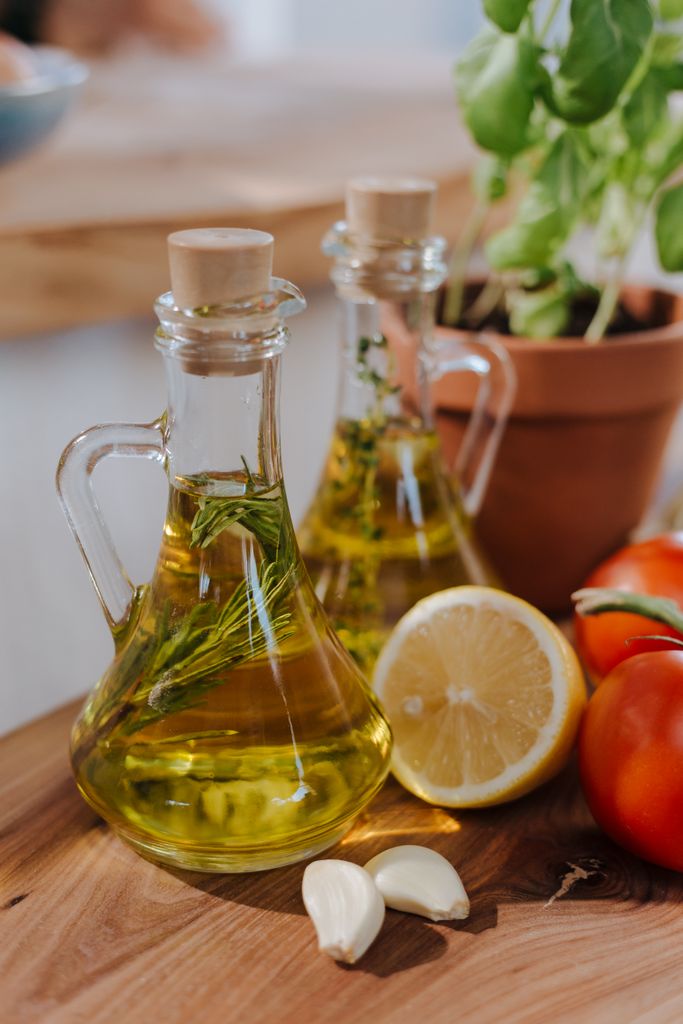
There’s no need to stock up on one single cooking fat and use it for everything. Different fats can have a place in your kitchen, depending on the type of cooking you’re doing, the flavor you want, and the rest of your diet.
- For everyday use: Choose an unsaturated oil, such as canola, soybean, sunflower, or safflower oil, especially if you’re looking to keep saturated fat intake in check.
- For high-heat cooking: Pick an oil that’s appropriate for the cooking temperature and avoid letting any oil smoke or repeatedly reheating the same oil. Tallow, grapeseed oil, and refined avocado oil work especially well for high-heat cooking.
- For a richer flavor: Tallow can bring richness to roasted veggies, potatoes, fries, and other dishes where you want a little extra flavor.
- For adding omega-3s: Choose oils such as canola oil, which provides some ALA, a plant-based omega-3 fatty acid.
- For a balanced diet: Don’t stress about picking the perfect cooking fat. Using a variety of unsaturated oils and getting fats from foods such as nuts, seeds, and avocados can help round out your diet.
FAQ
More nutrition myths debunked
Do You Need a Multivitamin Every Day? What the Science Shows

10 Common Healthy Eating Myths That Aren’t Actually True
Is Soy Bad for You? What the Research Really Says

Does Vitamin C Help Colds? What the Science Actually Says
Are Ultra-Processed Foods Always Unhealthy?
Is Snacking Bad for Metabolism? A Dietitian Explains the Truth

Is Starvation Mode Real? Here’s What You Need to Know

Do GLP-1s Cause Muscle Loss? Here’s What Research Says
Conclusion
Tallow can be a flavorful cooking fat that fits into a balanced diet. However, most seed oils are lower in saturated fat and higher in unsaturated fats, making them a practical choice for daily use.
Rather than worrying about whether a single ingredient is healthy or not, focus on following a balanced eating pattern overall and choose the cooking fats that work best based on your needs and preferences.