Thanksgiving Healthy Eating Tips: A Dietitian’s Guide
Quick summary
Thanksgiving is a holiday literally built around food. Between the buttery mashed potatoes, savory stuffing, roasted veggies, cranberry sauce, and table full of desserts, there’s a lot to look forward to. And while it’s easy to get caught up in advice about what to eat, what to avoid, and how to stay on track, you don’t need to follow a strict set of food rules to have a healthy Thanksgiving.
As a dietitian, I’m a big believer that healthy eating leaves plenty of room for foods you eat simply because you love them, and you don’t need to pass on the pie or feel like you need to work off your meal afterward. Instead, a few simple habits can help you build a balanced meal, get plenty of nutrients, and still enjoy all the Thanksgiving foods you look forward to every year.
Here are my top Thanksgiving healthy eating tips to help you feel your best while still fully enjoying the holiday.
Thanksgiving healthy eating tips at a glance
- Don’t skip meals or “save” your calories for Thanksgiving dinner.
- Include protein and fiber-rich foods to help keep your meal satisfying.
- Build a balanced plate with a mix of protein, carbohydrates, veggies, and healthy fats.
- Enjoy your favorite Thanksgiving foods without guilt or unnecessary restriction.
- Practice mindful eating by slowing down and savoring your meal.
- Be mindful of drinks and stay hydrated throughout the day.
- Keep fiber-rich foods like vegetables, fruit, beans, and whole grains in the mix.
- Don’t forget about protein, especially if you follow a vegetarian or vegan diet.
- Save room for dessert and enjoy the treats you genuinely love.
- Take a short walk after dinner to promote digestion and balance blood sugar levels.
- Get back to your normal eating routine the next day (no detox or compensation necessary!).
Stay in the loop!
Healthy eating tips & recipes delivered directly to your inbox
1. Don’t “save” your calories all day
It can be tempting to skip breakfast or eat a tiny lunch because you know a big Thanksgiving dinner is coming. However, showing up to the table absolutely ravenous usually isn’t the best strategy.
Instead, eat your usual meals throughout the day. A balanced breakfast and lunch with foods like protein, fiber-rich carbs, fruits and veggies, and healthy fats can help you feel your best as you head into dinner.
And remember, Thanksgiving isn’t a test you need to ace, and you definitely don’t need to “earn” your favorite foods by eating less earlier in the day. Give yourself permission to enjoy the holiday rather than feeling like you need to make up for missed meals.
2. Start with foods that keep you satisfied
Thanksgiving dinner is full of delicious holiday favorites, so there’s no need to turn your plate into a pile of steamed vegetables and call it a day. That said, enjoying a few foods that provide protein and fiber can help make your meal much more satisfying.
Consider adding foods like roasted veggies, sweet potatoes, whole grains, nuts, or a protein-rich main dish alongside your favorite Thanksgiving sides. These foods can help boost satiety while still leaving plenty of room for the mashed potatoes, stuffing, dinner rolls, and pie you’ve been looking forward to all year.
3. Build a balanced Thanksgiving plate
If you’re looking for an easy way to make your meal feel more nourishing, try including a mix of protein, vegetables, carbohydrates, and fats.
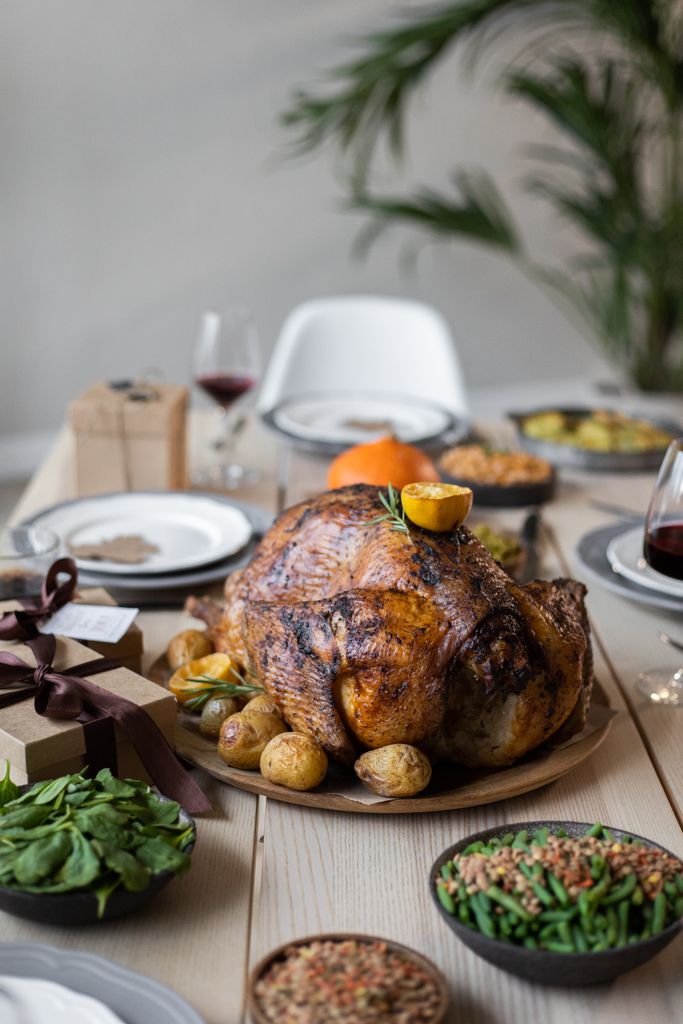
Put into practice, this might look like turkey or a lentil loaf alongside some roasted veggies, stuffing, and your favorite sides.
And yes, there’s absolutely room for the foods that are there purely because they’re delicious. A dinner roll with a big slab of butter, a scoop of creamy mashed potatoes, or a bit of cranberry sauce can all be part of a balanced Thanksgiving plate.
4. Enjoy your favorites
If there’s one day when you shouldn’t feel guilty about eating your favorite foods, it’s Thanksgiving. Maybe it’s your grandma’s stuffing, your dad’s mashed potatoes, or the pumpkin pie you look forward to all year. You don’t need to swap them for a healthier version just because you’re trying to eat well.
Instead, give yourself permission to enjoy the foods that actually make Thanksgiving special to you. Take a serving of the sides you love most. Have the pie. Go back for seconds if you’re still hungry. Eating for enjoyment is part of a healthy relationship with food, too.
You also don’t need to choose between enjoying your favorite foods and eating nutritious ones. Thanksgiving can (and should!) have enough room for both.
5. Practice mindful eating
With so many delicious dishes on the table, it’s easy to start eating on autopilot, especially when you’re catching up with family and reaching for seconds mid-conversation.
Taking a little time to slow down and actually savor your food can help you tune into what you’re eating and how you’re feeling.
Try putting your fork down between bites, paying attention to the flavors and textures, and checking in with yourself as you eat. Are you still hungry? Are you comfortably full? Is there another food you still really want to try?
Mindful eating is all about being present and enjoying your food, without feeling like you have to follow a strict set of rules around it.
6. Be mindful of drinks
Thanksgiving drinks can be easy to overlook, especially when you’re focused on all the tasty food on the table. However, cocktails, wine, beer, cider, soda, and other sweetened drinks can add quite a bit to your meal, even though they’re not as filling as food.
That doesn’t mean you need to skip them. If you’re looking forward to a glass of wine with dinner or a festive Thanksgiving cocktail, enjoy it! Just remember to sip slowly, drink some water throughout the day, and choose beverages you genuinely want rather than mindlessly refilling your glass.
And if you’re not drinking alcohol, there are plenty of fun options beyond plain water, too. Sparkling water, flavored seltzer, kombucha, or a festive mocktail can make your meal feel special without alcohol.
7. Keep fiber in the mix
Thanksgiving has no shortage of delicious carbs, but many dishes that are typically on the menu are made with refined grains and might not provide much fiber.
Adding a few fiber-rich foods to your plate can help promote digestion, keep you feeling full, and add a little nutritional boost to your holiday meal.
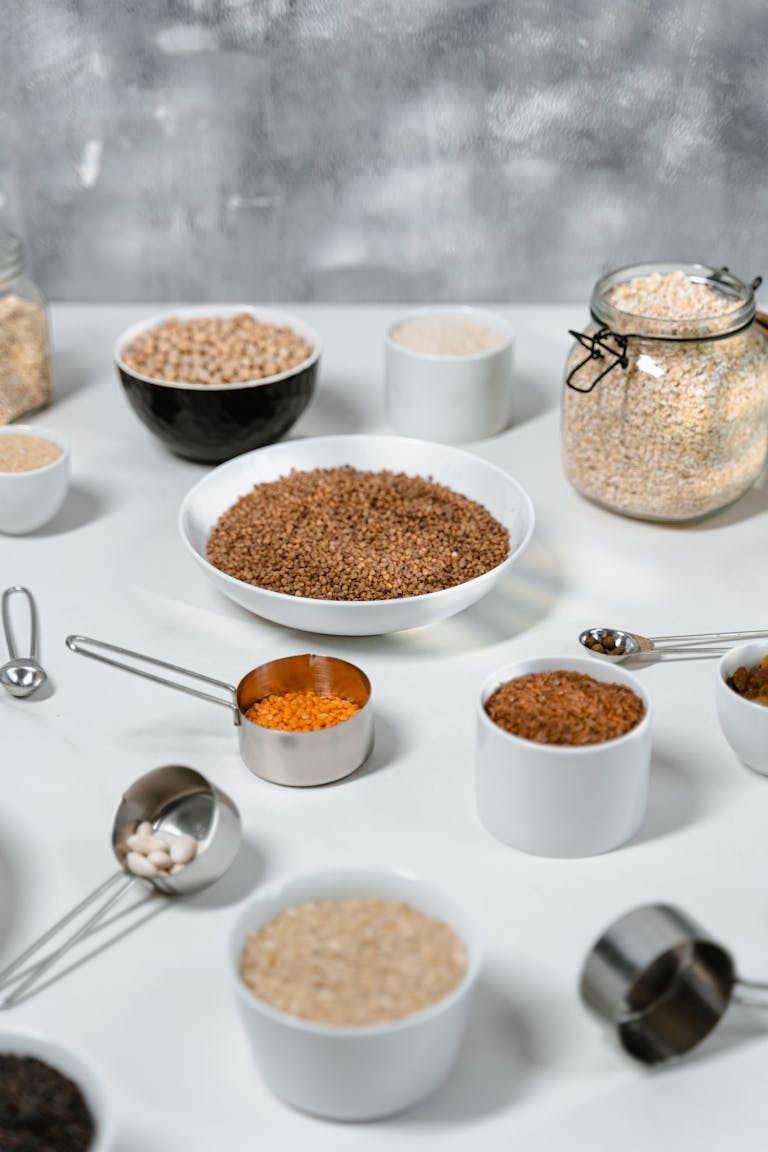
Look for foods like roasted vegetables, sweet potatoes, pumpkin, cranberries, beans, nuts, seeds, and whole grains.
You can also get creative with sides! A roasted Brussels sprout salad, lentil-based stuffing, or a veggie-packed grain dish can all bring lots of fiber to the table.
8. Don’t forget protein
With so many Thanksgiving favorites to choose from, it’s easy for protein to get lost in the shuffle.
However, adding a solid source of protein to your plate can help round out your meal and keep you satisfied, especially if you’re in for a long afternoon of eating, chatting, and celebrating.
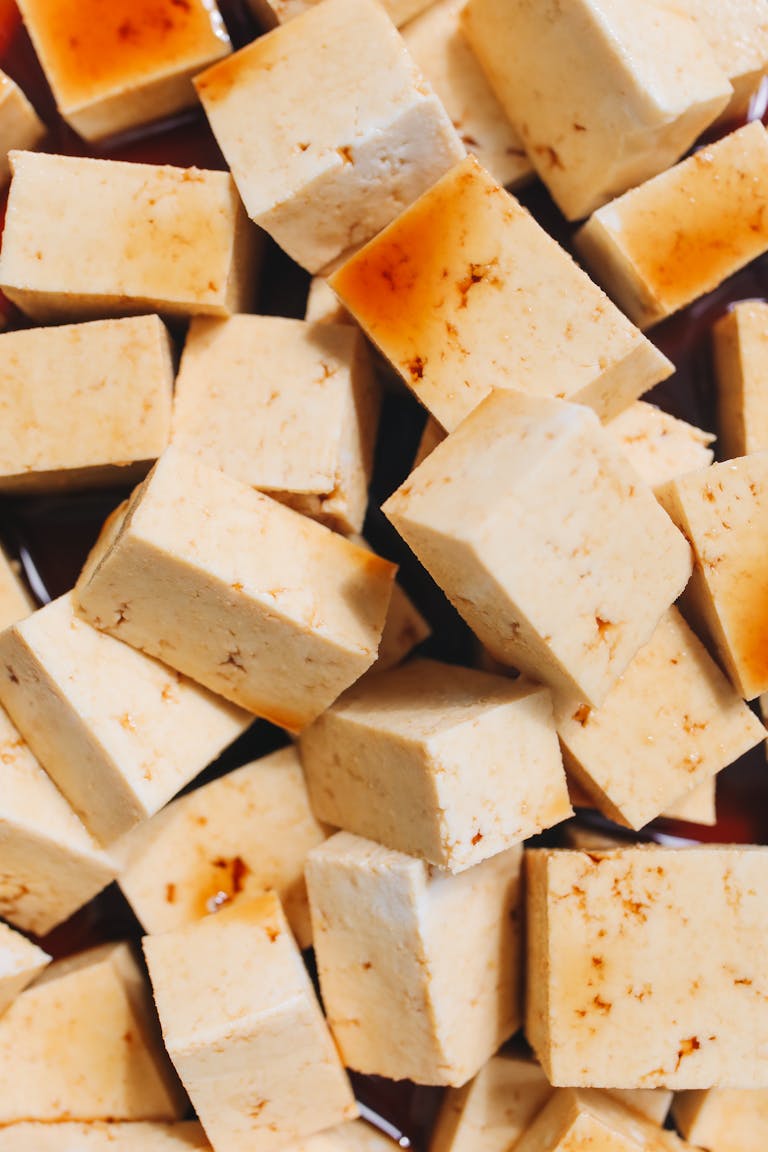
For vegetarians and vegans, this can take a little more planning since many traditional Thanksgiving dishes besides turkey don’t contain much protein. Try adding lentils, beans, tofu, tempeh, nuts, seeds, or a plant-based turkey alternative to your meal.
A lentil loaf, stuffed squash with quinoa and beans, or a hearty bean-based side can all make delicious additions to the Thanksgiving table.
9. Save room for dessert
Thanksgiving dinner isn’t complete without dessert, so if there’s a pie, crisp, or other sweet treat you’ve been looking forward to, make sure you save room!
Choose the dessert you actually want and take the time to enjoy it. Maybe that means a slice of pumpkin pie with whipped cream, a scoop of apple crisp, or trying a little of several desserts. There’s no need to label dessert as “bad” or feel guilty for enjoying it.
Remember, a healthy approach to eating leaves room for foods that nourish your body and foods that simply bring you joy. Thanksgiving is a pretty great time for the latter!
10. Take a post-meal walk
After a big Thanksgiving meal, taking a walk can be a great way to get some fresh air, stretch your legs, and enjoy a little time outside with family and friends. It may also help you feel less sluggish after sitting around the table for a few hours.
Research suggests that walking after a meal can help reduce the rise in blood sugar that typically occurs after eating, and even a brief stroll can be beneficial. It can also get your digestive system moving, especially after a big meal.
So after dessert, consider rounding up your family for a leisurely walk around the neighborhood. Even just a 10- to 20-minute walk is all it takes to get some post-meal movement in.
11. Get back to your normal routine the next day
Maybe you ate more than usual on Thanksgiving. Maybe you had an extra slice of pie. Maybe you spent the entire afternoon grazing on appetizers. Whatever the case, it’s okay! One indulgent meal isn’t going to undo any progress.
Instead of trying to compensate by skipping meals, drastically cutting calories, or starting a detox, simply get back to your normal routine the next day.
A healthy diet is shaped by what you do consistently over time, so eat your regular meals, drink lots of water, and include the fruits, vegetables, whole grains, and protein-rich foods you normally enjoy.
Healthy Thanksgiving recipes
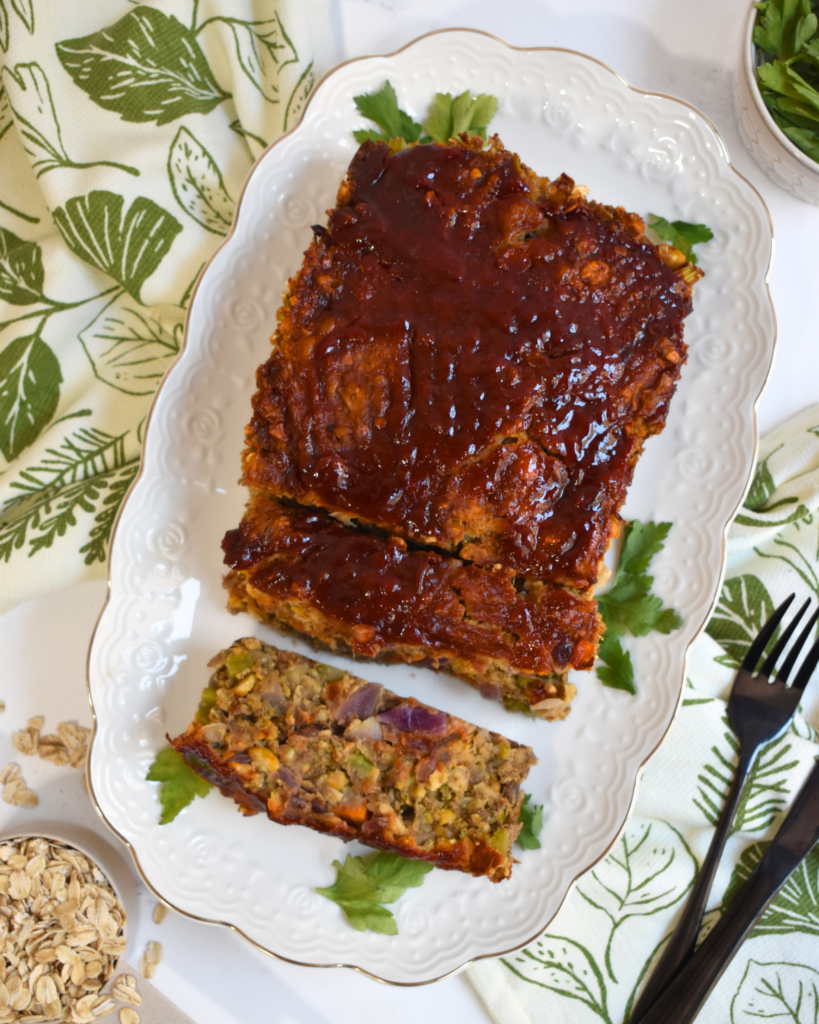
Lentil Chickpea Veggie Loaf
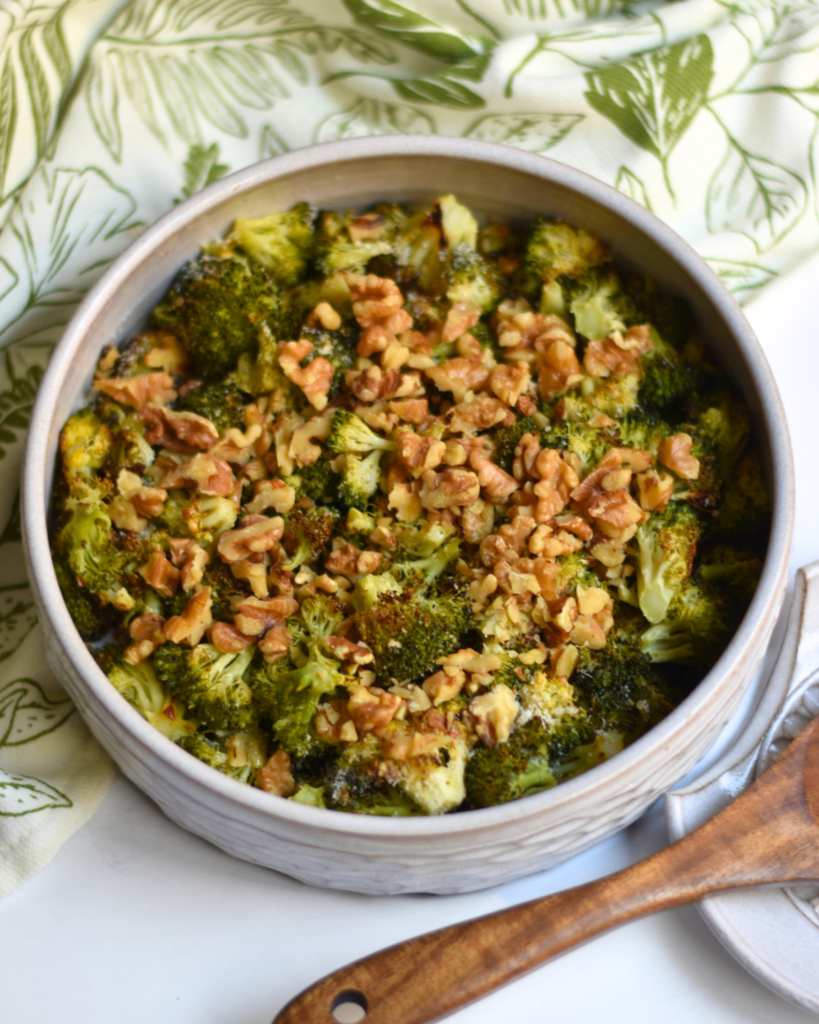
Roasted Broccoli with Lemon, Walnuts, and Parmesan
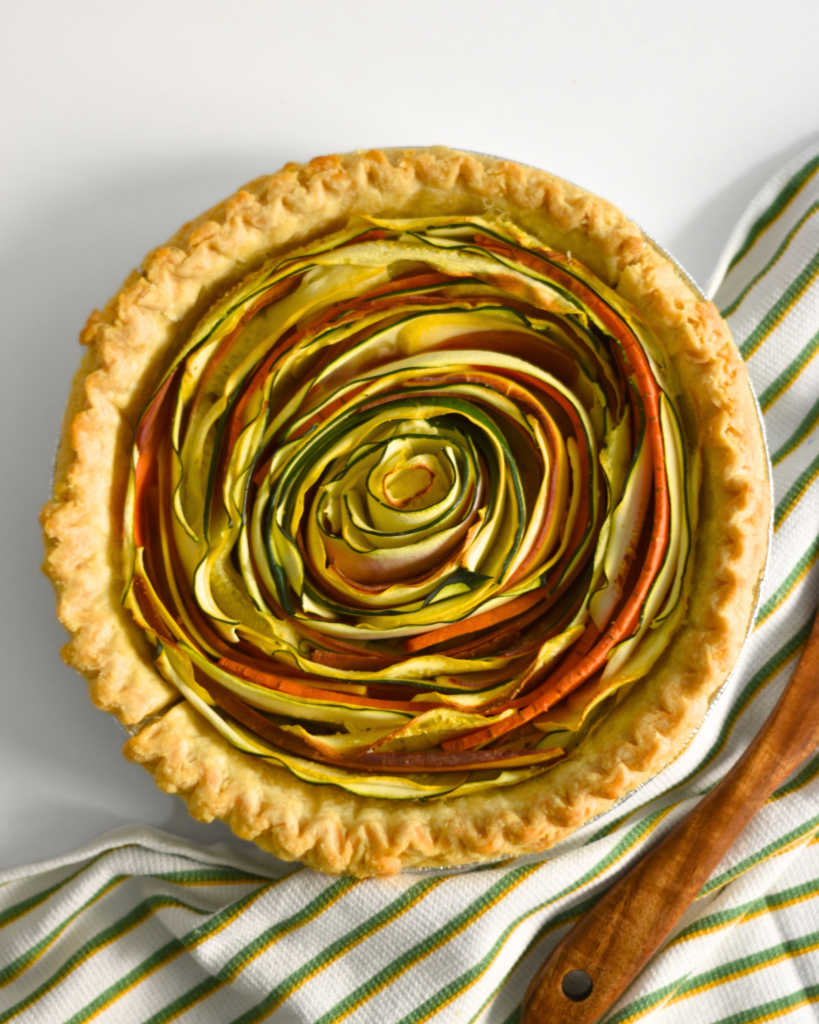
Spiral Veggie Tart
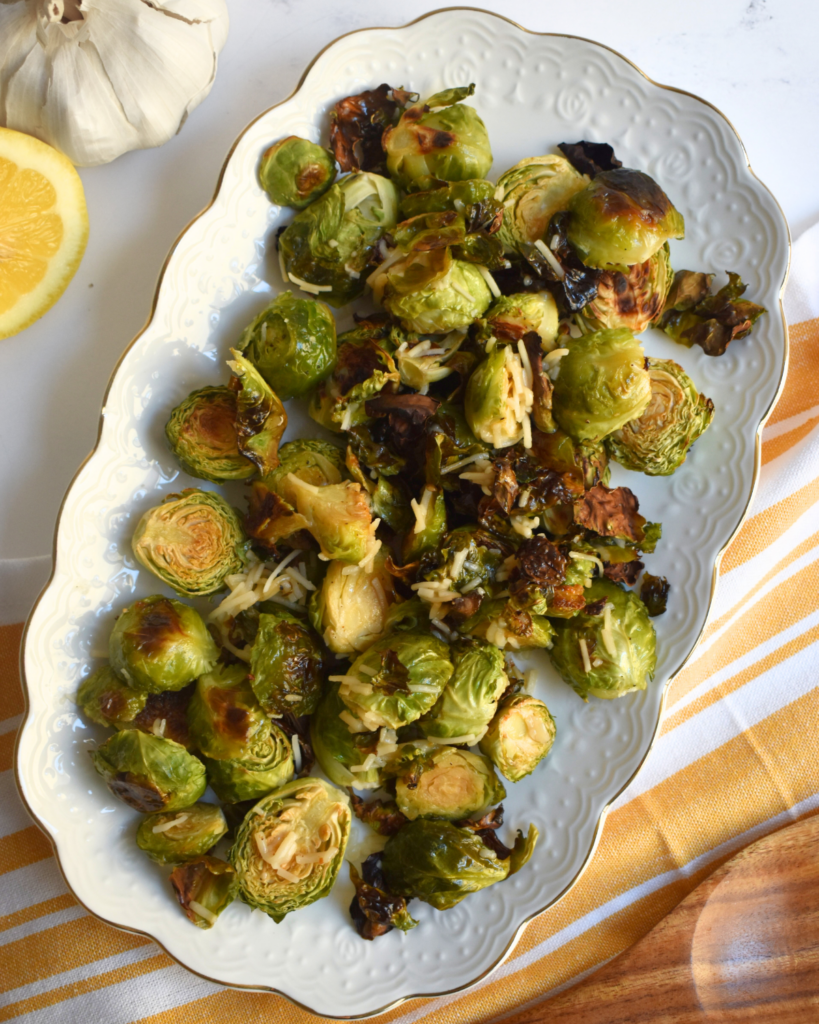
Lemon Parmesan Roasted Brussels Sprouts
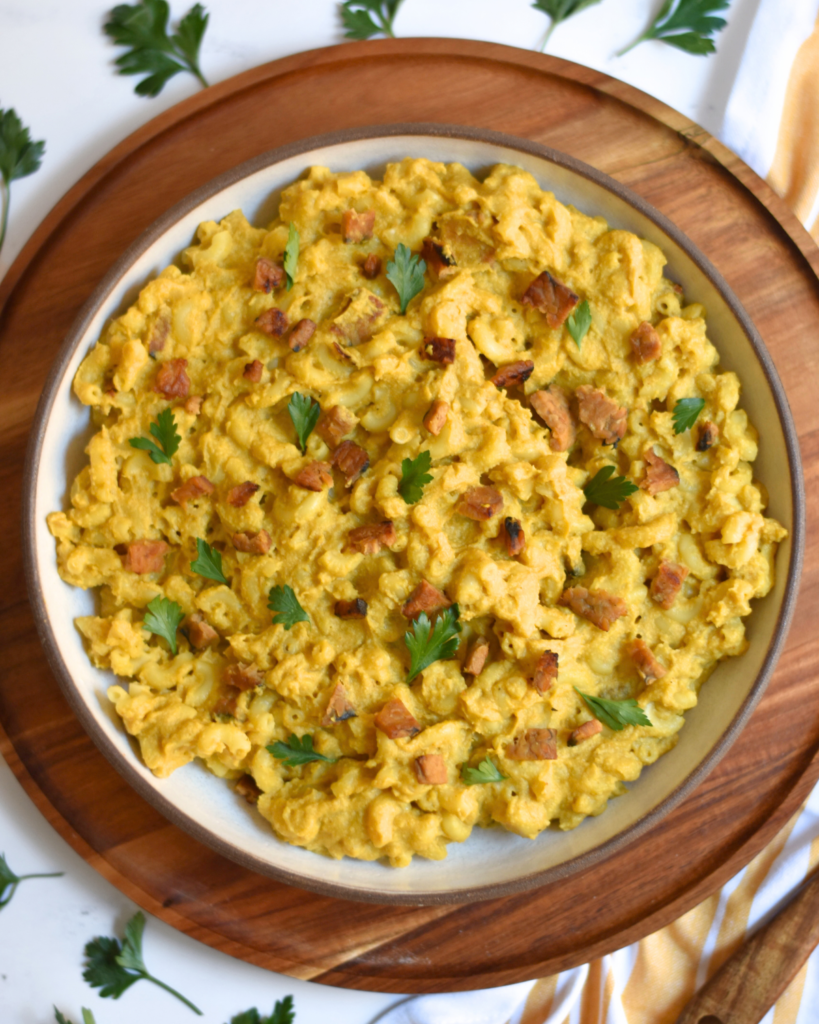
Vegan Mac & Cheese with Tempeh Bacon and Hidden Veggies
Healthy Thanksgiving foods to try
Looking to add more nutrients onto your Thanksgiving plate? Here are a few festive favorites packed with fiber, protein, vitamins, minerals, and healthy fats.
- Sweet potatoes: packed with beta-carotene, potassium, and fiber
- Brussels sprouts: a great source of fiber, vitamin C, and vitamin K
- Green beans: provide fiber, vitamin C, and other important nutrients
- Pumpkin: rich in beta-carotene and a good source of fiber
- Cranberries: contain fiber and antioxidants
- Legumes: high in protein and fiber
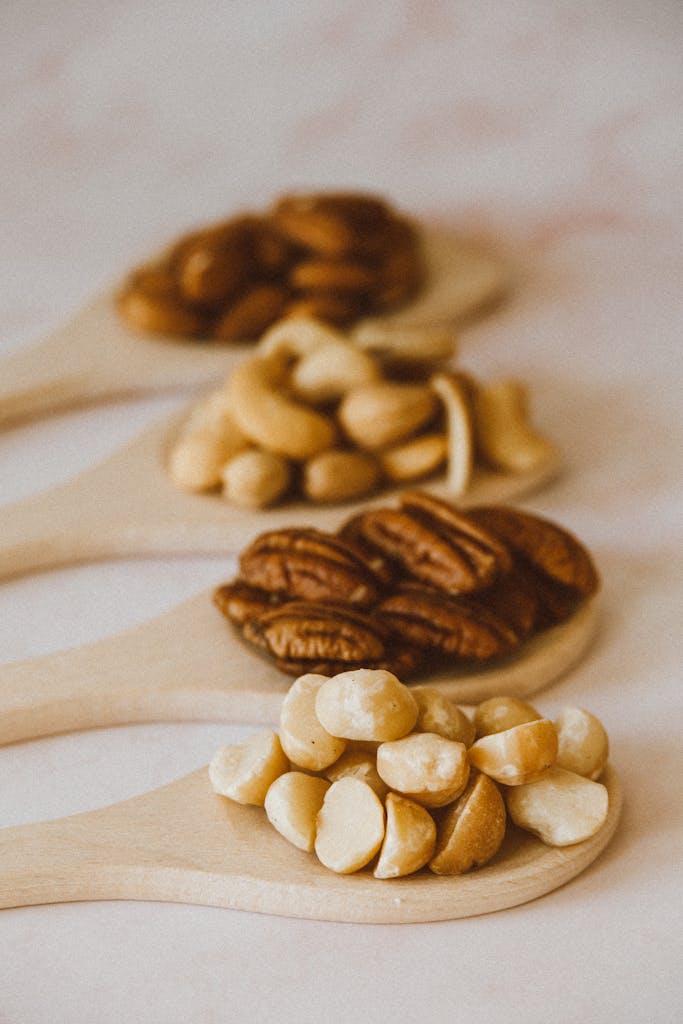
- Nuts and seeds: supply healthy fats, protein, fiber, and minerals like magnesium
FAQ
More healthy eating tips

How to Get Your Toddler to Eat Vegetables (7 RD-Approved Strategies)
Simple Ways to Sneak More Vegetables Into Meals
How to Eat More Whole Foods: Tips, Meal Ideas, and More
25 Easy Protein Swaps for Weight Loss
How to Make Meals Healthier Without Dieting: 12 Simple Add-Ins to Boost Nutrition
Top 9 Dietitian-Approved Healthy Eating Hacks
Conclusion
There’s no need to avoid your favorite holiday foods on Thanksgiving, even if you’re trying to eat healthy.
Instead, focus on balance by eating regular meals, including plenty of protein and fiber-rich foods, staying hydrated, enjoying dessert, and getting a little movement in after your meal.
Most importantly, give yourself permission to enjoy Thanksgiving without any guilt. One meal won’t make or break your health, and there’s plenty of room for both nutrition and enjoyment at the holiday table.