How to Get Enough Protein on Ozempic: Tips and Meal Ideas
Quick summary
Before Ozempic, getting enough protein might have been as simple as adding an extra scoop of Greek yogurt to your breakfast or making your dinner a little heartier. But when your appetite suddenly feels half its usual size, even finishing your normal meals can seem like a lot. Figuring out how to get enough protein on Ozempic is doable, but it can take a few small but strategic changes to what (and when) you eat.
In this guide, we’ll unpack how to get enough protein on Ozempic, how much you may need, which protein-rich foods give you the most bang for your bite, and some simple meal ideas to help you reach your protein goals.
Why protein is so important on Ozempic
Ozempic (semaglutide) can significantly curb your appetite, meaning you may find yourself eating smaller portions or thinking about food less often. While this is great for weight loss, it also leaves fewer opportunities to get enough protein and other essential nutrients throughout the day.
Protein is key for maintaining and repairing muscle tissue, helping your immune system run efficiently, and keeping your hair, skin, and nails healthy. It can also help meals feel more satisfying, even when you’re unable to eat very much at once.
Getting enough protein is especially important when you’re losing weight because some of the weight you lose can come from lean muscle rather than body fat. Pairing an adequate protein intake with regular strength training can help preserve muscle mass and support your strength, metabolism, and overall health as you work toward your goals.
Challenges of meeting your protein needs on Ozempic
Ozempic works by mimicking glucagon-like peptide-1 (GLP-1), a hormone involved in blood sugar regulation, appetite, and digestion. As a result, you might feel full after just a few bites, experience fewer cravings, or have less interest in food than you did before starting treatment.
These effects can make it easier to cut back on calories, but they can also make it more difficult to meet your needs. When you’re eating less food overall, every meal and snack needs to do a little more nutritional heavy lifting, and protein can easily fall through the cracks.
Digestive side effects can create another hurdle. Nausea, constipation, abdominal discomfort, and feeling overly full are all common with Ozempic, especially when you’re first starting the medication or when you increase your dose. On those days, a big serving of tofu, meat, or eggs might feel especially unappealing.
Protein also tends to be very filling. That’s usually one of its benefits, but when Ozempic is already suppressing your appetite, it can be tough to eat enough protein in one sitting.
Spreading smaller portions across multiple meals and snacks can often feel more manageable than trying to pack most of your protein into one or two large meals.
Get my FREE High-Protein Plant-Based Guide
Sign up now to get my free e-book, including a 7-day meal plan, grocery list, and protein cheat sheet to make plant-based eating simple and satisfying!
How much protein do you need on Ozempic?
There isn’t a universal protein target for everyone taking Ozempic. Your ideal intake depends on several factors, including your age, body size, activity level, current health, and goals.
However, protein definitely deserves some extra attention during weight loss. Eating enough (especially when paired with resistance training) can help your body maintain lean muscle as your weight drops.
A common starting point is around 0.5-0.7 grams of protein per pound of body weight daily, or approximately 1.2-1.6 grams per kilogram.
Here’s a quick table you can use to estimate your daily protein needs:
| Body Weight | Lower Target (0.5g/lb) | Higher Target (0.7g/lb) |
|---|---|---|
| 140 lbs | 70 g | 98 g |
| 150 lbs | 75 g | 105 g |
| 160 lbs | 80 g | 112 g |
| 170 lbs | 85 g | 119 g |
| 180 lbs | 90 g | 126 g |
| 190 lbs | 95 g | 133 g |
| 200 lbs | 100 g | 140 g |
| 220 lbs | 110 g | 154 g |
| 240 lbs | 120 g | 168 g |
| 260 lbs | 130 g | 182 g |
These numbers should be used as a general guide rather than a strict prescription. Older adults, athletes, and people who strength train regularly may need more protein. Meanwhile, certain health conditions (particularly kidney disease) might require more individualized recommendations from your doctor or dietitian.
If your estimated goal seems impossible with your current appetite, keep in mind that you don’t need to reach it overnight. Start by adding a protein-rich food to each meal and snack, then increase your portions slowly or add another small protein source as your appetite allows.
A practical place to start is around 25-40 grams of protein per meal. Dividing your protein across the day can feel much easier on Ozempic than trying to squeeze a large amount into one sitting.
Stay in the loop!
Healthy eating tips & recipes delivered directly to your inbox
How to get enough protein on Ozempic
A decreased appetite can make it tricky to meet your daily protein goal. Here are a few practical tips for how to get enough protein on Ozempic.
1. Stock up on convenient proteins
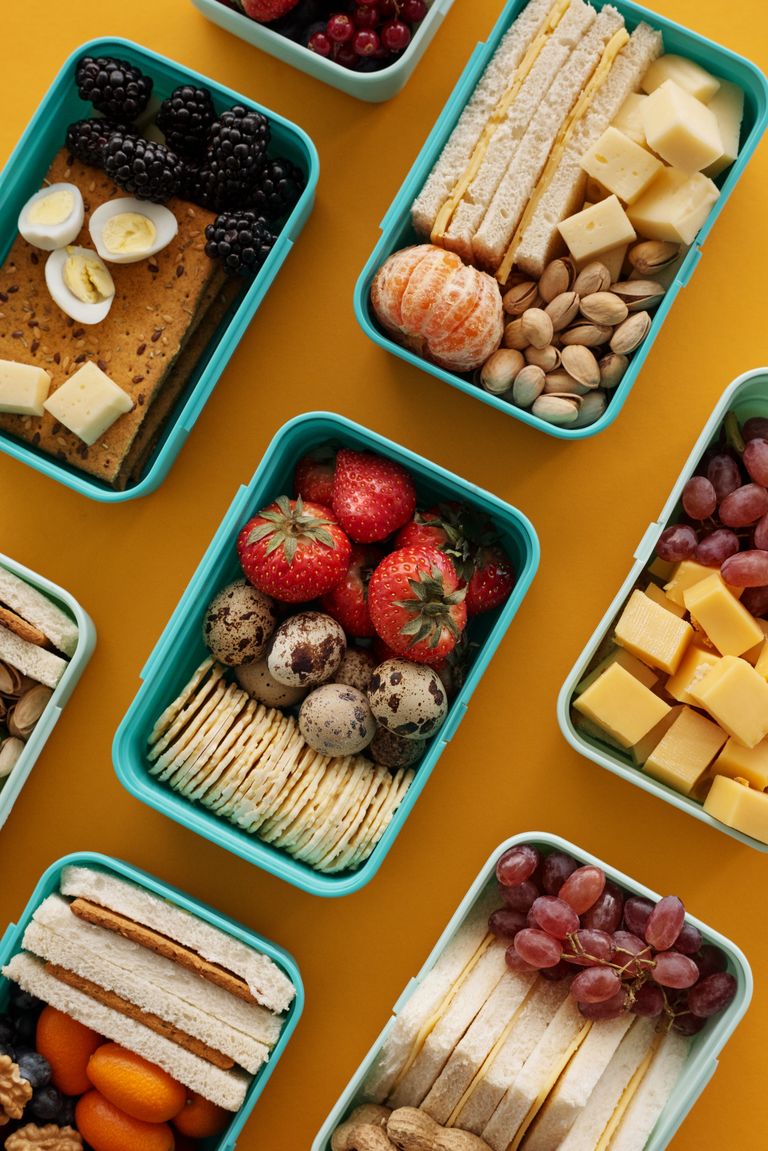
When your appetite is unpredictable, having simple, ready-to-eat options available can make it easier to get more protein without preparing a full meal.
A few convenient protein-rich staples include:
- baked tofu or tempeh
- hard-boiled eggs
- single-serving tuna or chicken pouches
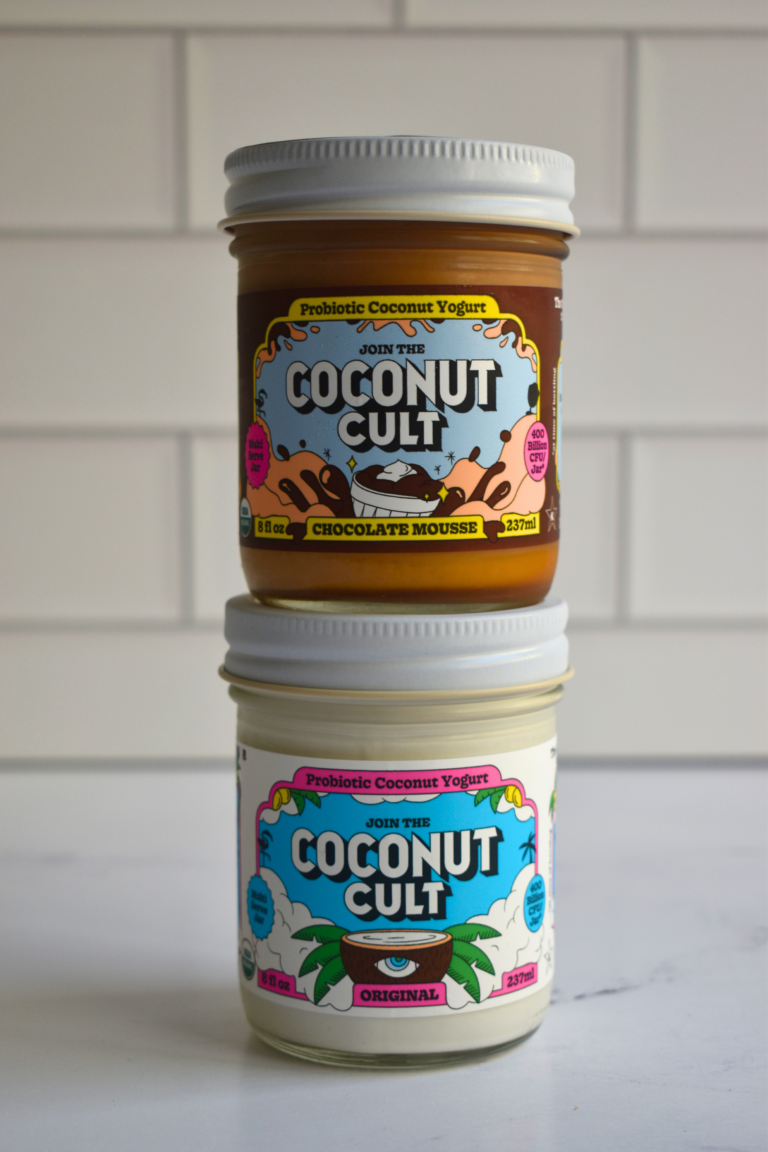
- yogurt
- cottage cheese
- string cheese
- protein bars
- dry-roasted edamame
- frozen veggie burgers
- ready-to-drink protein shakes
Keeping a few of these foods in your fridge, pantry, or bag makes it easier to add protein whenever your appetite picks up (and helps prevent scrambling to meet your goal at the end of the day!).
2. Add protein throughout the day
Look for small opportunities to include protein each time you eat rather than attempting to eat enough protein for the entire day all in one sitting.
For example, you might get 25 grams at breakfast, 30 grams each at lunch and dinner, and another 10-20 grams from a snack. Spreading your intake across multiple meals and snacks can help you reach your daily target without needing to eat an uncomfortably large amount at once.
3. Make protein the starting point of meals
When you can only eat a small portion, it helps to make protein the centerpiece rather than an afterthought. Choose your protein source first, then add veggies, whole grains, healthy fats, or other ingredients based on your appetite.
A few examples to start with include:
- seitan strips for a veggie stir-fry
- shelled edamame for a noodle or rice bowl
- a veggie burger patty for a quick lunch
- scrambled eggs or egg whites for breakfast
- chickpea pasta for a simple weeknight dinner
- a protein shake as the base of a smoothie
4. Choose concentrated sources of protein
When Ozempic makes you feel full fast, it’s important to prioritize foods that provide plenty of protein in a relatively small serving. This can help you work toward your daily target without needing to finish a large meal.
Good options include:
- Greek yogurt
- cottage cheese
- eggs or egg whites
- tofu or tempeh
- seitan
- fish or seafood
- lean meat
- poultry
- edamame
- protein powder
- ready-to-drink protein shakes
These foods offer a meaningful amount of protein without adding too much volume to your plate.
5. Create a consistent protein routine
Because Ozempic can reduce both your appetite and interest in food, you might not always be able to rely on hunger alone to remind you to eat. Having a general routine in place can help you get enough protein throughout the day without needing to play catch-up in the evening.
A few simple ways to make protein a regular habit include:
- plan a few small meals or snacks at consistent times
- begin your morning with a protein-rich breakfast
- keep convenient protein options where you can easily see and grab them
- add a protein boost to foods you already eat, such as yogurt in a smoothie or edamame in a salad
6. Use protein powder as a simple boost
Protein powder can do so much more than turn into a basic shake. Although it’s best used alongside a varied, balanced diet, a scoop can add roughly 20-30 grams of protein to foods you already enjoy without dramatically increasing the portion size.
Try blending or stirring it into:
- overnight oats
- yogurt bowls
- homemade energy bites
- waffle batter
- blended coffee drinks
- smoothie bowls
- muffins
- breakfast bars
Start with a smaller amount when adding protein powder to thicker foods, then adjust as needed to avoid changing the taste or texture too much.
High-protein foods to eat on Ozempic
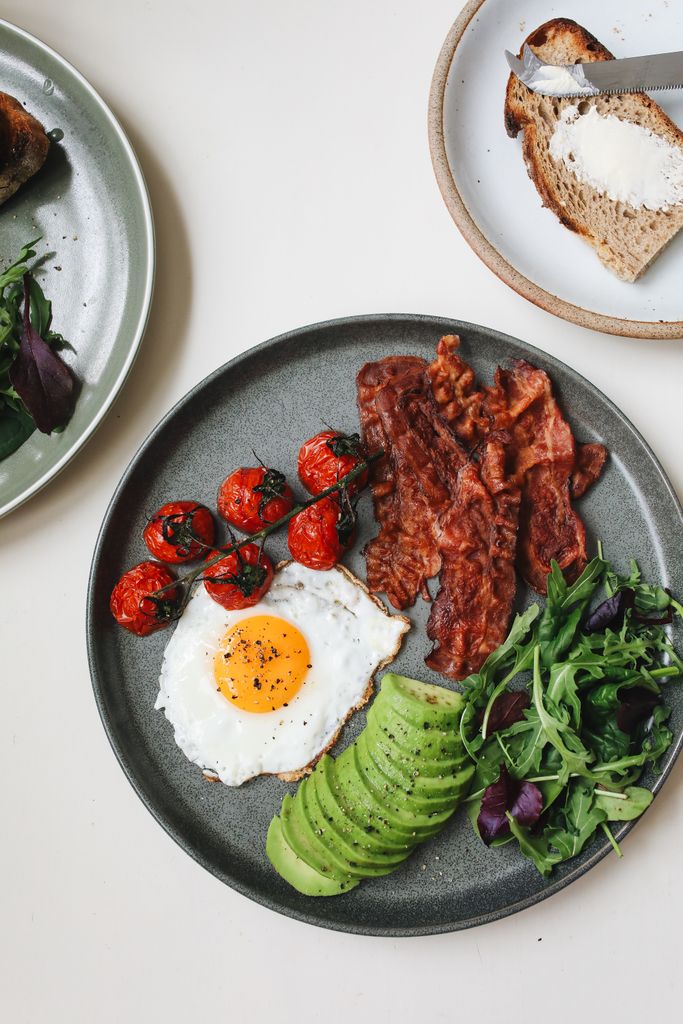
If you’re eating smaller portions, choosing protein-rich foods can help you get more nutrients in every bite.
Here are some of the best high-protein foods to eat while taking Ozempic:
| Foods | Serving size | Protein per serving |
|---|---|---|
| Greek yogurt | 1 cup | 20-25 grams |
| Cottage cheese | 1 cup | 25-30 grams |
| Protein powder | 1 scoop | 20-30 grams |
| Eggs | 2 large eggs | 12 grams |
| Tofu | 1/2 block (about 7 ounces) | 20-25 grams |
| Tempeh | 3 ounces | 15-20 grams |
| Lentils | 1 cup cooked | 18 grams |
| Beans | 1 cup cooked | 15 grams |
| Edamame | 1 cup cooked | 17 grams |
| Seitan | 3 ounces | 20-25 grams |
| Chicken breast | 4 ounces | 30-35 grams |
| Salmon | 4 ounces | 25-30 grams |
| Shrimp | 4 ounces | 25-30 grams |
Easy high-protein meals for Ozempic
Keeping meals simple and protein-focused can help you meet your needs without forcing down large portions when your appetite is low. Here are a few easy high-protein meal ideas for people taking Ozempic:
- yogurt with berries, hemp seeds, and high-protein granola
- egg and cheese breakfast tacos with salsa
- chickpea pasta with pesto, white beans, and spinach
- baked tofu with roasted veggies and quinoa
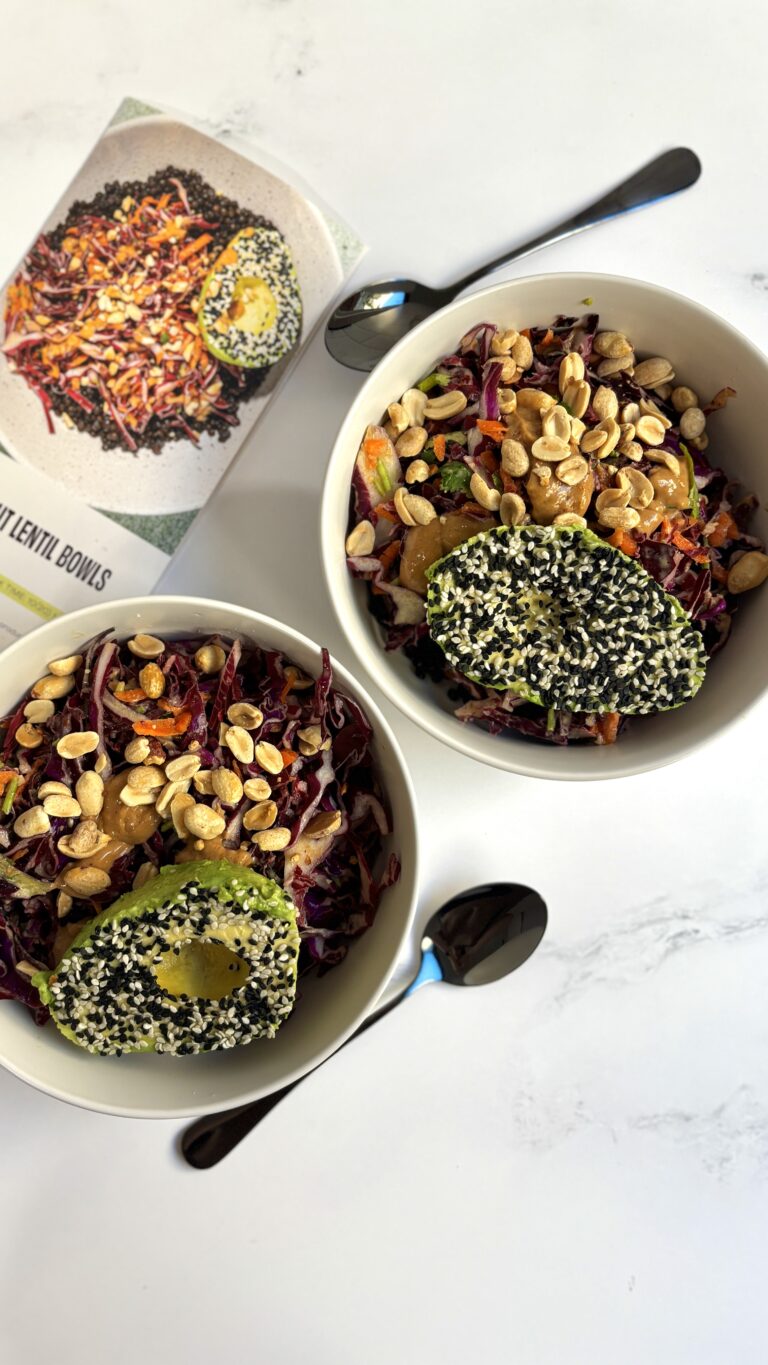
- Smoky Chipotle Southwest Salad Bowls
- seitan and vegetable stir-fry with rice
- Avocado Chickpea Toast with fruit salad
- shrimp tacos with cabbage slaw and black beans
- red lentil soup topped with Greek yogurt
- rotisserie chicken with sweet potatoes and steamed broccoli
- High-Protein Cottage Cheese Pizza
- a protein smoothie made with Greek yogurt, soy milk, fruit, and nut butter
- Masala Black Bean Quinoa Burgers with Creamy Edamame Spread
- sheet-pan chicken sausage with potatoes and broccoli
- overnight oats made with protein powder, milk, and chia seeds
FAQ
More GLP-1 resources
How to Get Enough Protein on Mounjaro: A Dietitian’s Guide
Do GLP-1s Cause Muscle Loss? Here’s What Research Says
Top Foods to Eat For Nausea on GLP-1 Drugs
Why You’re Not Losing Weight on GLP-1 Medications: Common Nutrition Mistakes (and What to Do Instead)
GLP-1 Diet: A Dietitian’s Guide to Foods, Meal Plans, and Recipes
What to Eat on Ozempic as a Vegetarian: A Dietitian’s Guide
Conclusion
Learning how to get enough protein on Ozempic can take a little planning, especially when you’re dealing with a smaller appetite or digestive side effects.
Focus on adding protein to each meal and snack, prioritizing nutrient-dense options that don’t require large portions, and keeping a few convenient staples on hand for days when your appetite is low.
Start with manageable changes, build your intake gradually, and work with your doctor or a registered dietitian if you need help finding a protein target that fits your needs and goals.