DAVID Protein Bars Review: A Dietitian’s Honest Take
Quick summary
Protein bars are practically everywhere these days, but DAVID has managed to stand out in a very crowded market. With up to 28 grams of protein crammed into just 150 calories, these bars boast some seriously impressive macros. That said, squeezing that much protein into such a small calorie budget can understandably raise a few questions.
In this DAVID Protein Bars review, we’re taking a closer look at the nutrition facts, ingredients, flavors, price, potential benefits, and drawbacks of this popular product. We’ll also break down the numbers, the ingredient list, and how the brand stacks up against competitors.
So, are DAVID Protein Bars actually healthy, and are the macros worth the higher price tag? Keep reading to find out!
What are DAVID Protein Bars?
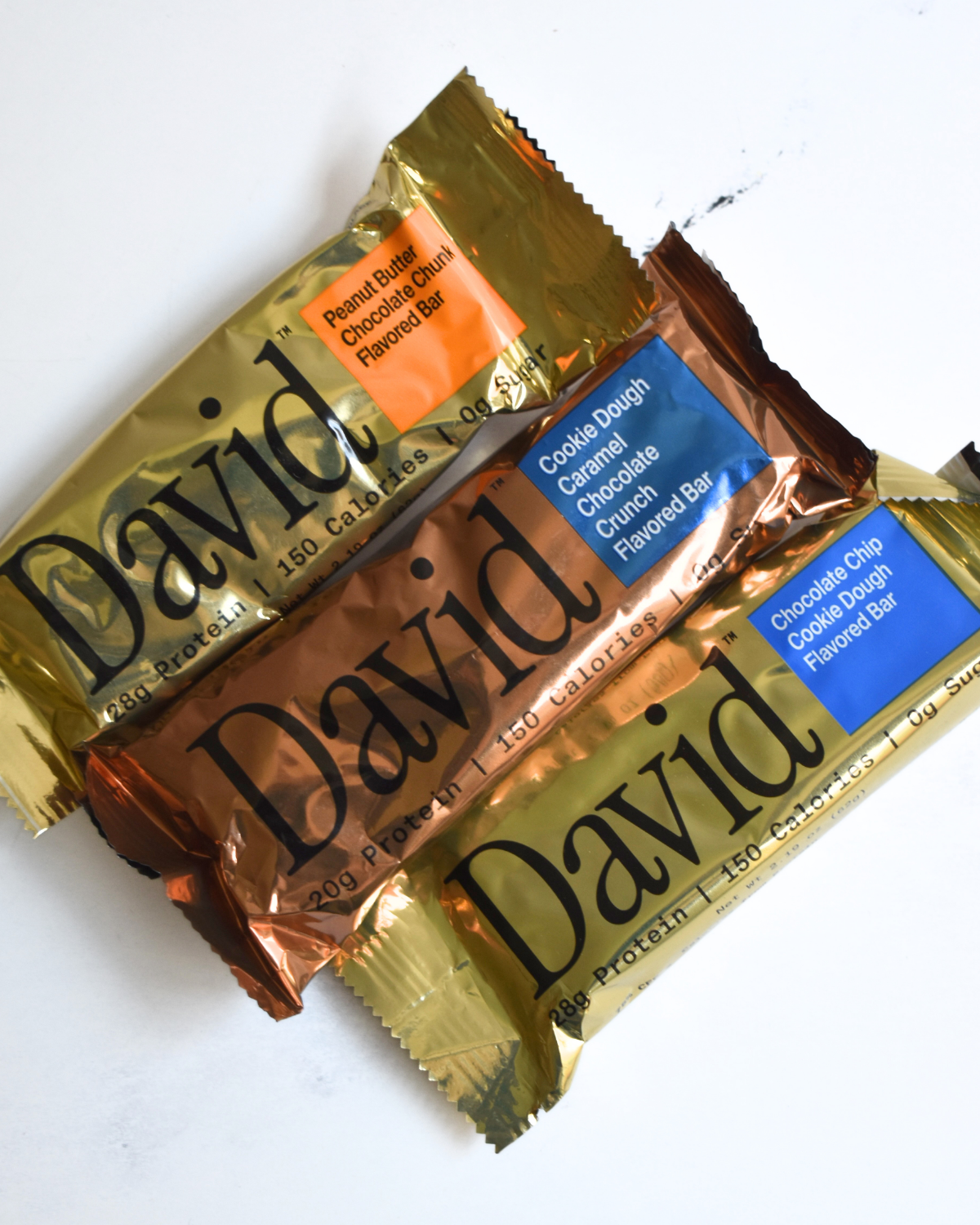
DAVID Protein Bars are high-protein snacks designed to deliver as much protein as possible without tons of extra sugar or calories. In fact, their biggest claim to fame is their impressive protein-to-calorie ratio, which has helped them quickly earn a spot in gym bags, social media feeds, and snack drawers everywhere.
The brand currently offers two varieties: Gold and Bronze. DAVID Gold Bars are the brand’s protein powerhouse, packing 28 grams of protein into just 150 calories with zero grams of sugar. DAVID Bronze Bars contain 20 grams of protein for the same 150 calories but come dipped in a chocolatey coating for a more indulgent, candy bar-like experience.
Both varieties rely on a blend of milk protein isolate, collagen, whey protein concentrate, and egg whites. They also use alternative sweeteners and a modified plant-based fat called EPG to keep the sugar and calorie counts low without sacrificing sweetness or texture.
There’s no denying that it’s an impressive example of snack engineering. However, whether that ingredient list works for you depends on what you really want from your protein bar.
DAVID Protein Bar nutrition facts
Both Gold and Bronze DAVID Protein Bars contain just 150 calories with zero grams of sugar, but the amount of protein and fiber differs between each variety. Here’s a closer look at how the two compare:
| DAVID Gold | DAVID Bronze | |
|---|---|---|
| Calories | 150 | 150 |
| Protein | 28 grams | 20 grams |
| Total sugar | 0 grams | 0 grams |
| Fiber | 1-2 grams | Up to 6 grams |
| Calories from protein | 75% | 53% |
DAVID Protein Bar ingredients
DAVID Protein Bars use a blend of proteins, sweeteners, binding agents, and modified fats to pack plenty of protein into just 150 calories. Here’s a quick breakdown of the ingredients in each bar.
Protein blend
DAVID Gold Bars combine milk protein isolate, collagen, whey protein concentrate, and egg whites. While this blend provides a complete amino acid profile, collagen isn’t a complete protein on its own, and DAVID doesn’t disclose how much of the total protein comes from each source.
Gold Bars contain bovine collagen, while Bronze Bars contain bovine collagen and porcine gelatin. Therefore, neither variety is vegan or vegetarian.
Binding ingredients
Maltitol, allulose, glycerin, soluble corn fiber, tapioca starch, and soy lecithin help hold the bars together while also adding sweetness and moisture.
Modified plant fat
DAVID uses EPG (esterified propoxylated glycerol), a modified plant-based fat that provides the texture of regular fat but contributes fewer calories because very little is absorbed. It helps explain the bars’ impressive macros, though it may not appeal to shoppers who prefer familiar, minimally processed ingredients.
Sweeteners and flavors
The bars contain allulose, maltitol, sucralose, and acesulfame potassium instead of sugar. They also use natural and artificial flavors, cocoa, chocolate, salt, and flavor-specific ingredients such as peanut flour.
DAVID Protein Bars contain milk, egg, and soy. Some flavors also contain peanuts or coconut and may contain sesame or tree nuts.
DAVID Gold vs. Bronze Protein Bars
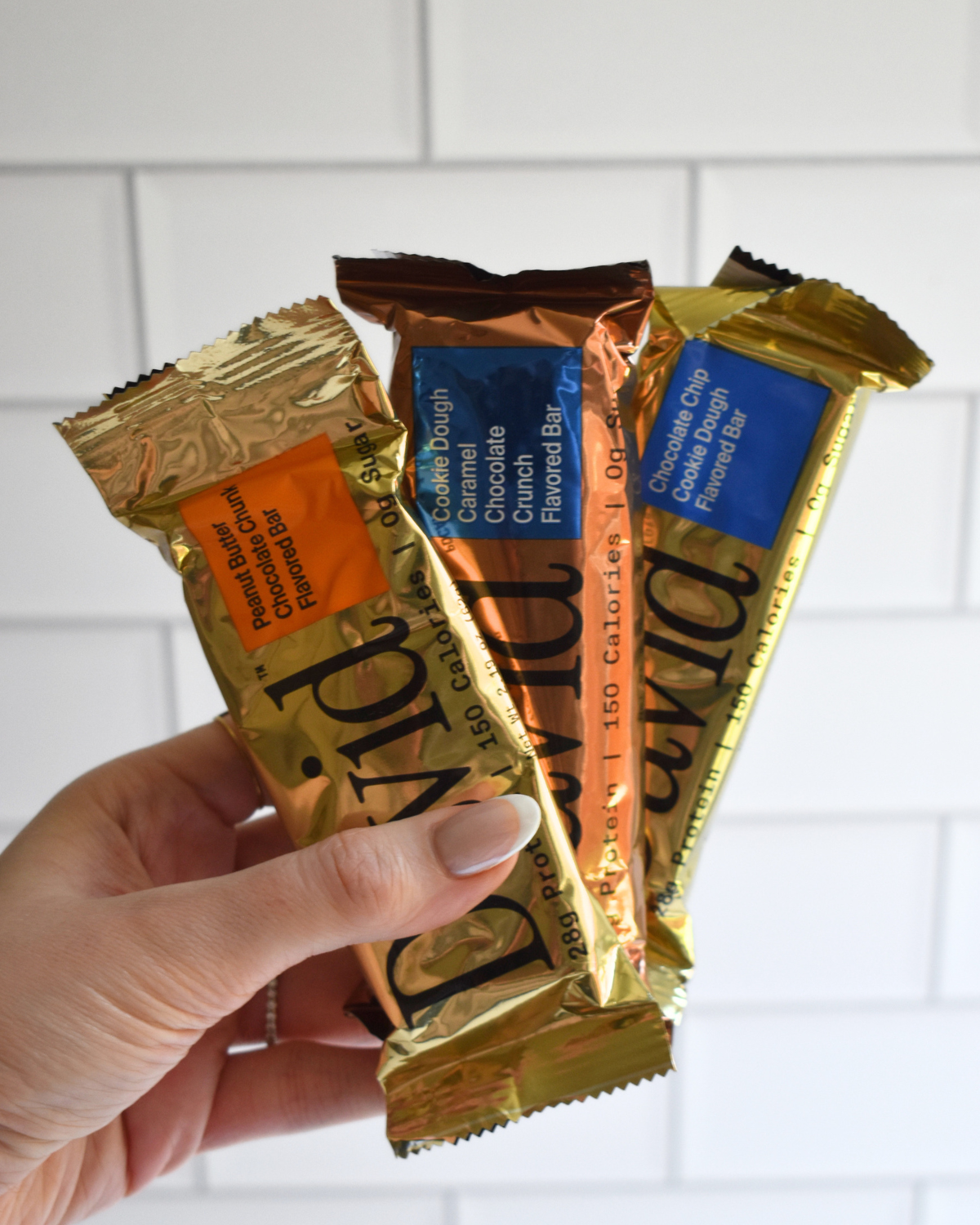
DAVID offers two protein bar collections: Gold and Bronze. Both contain 150 calories and zero grams of sugar, but they’re designed for slightly different snack situations.
DAVID Gold is highest in protein, packing 28 grams of protein into each bar. It has a dense, doughy texture and is the better choice if your main goal is to squeeze in as much protein as possible without adding many calories. However, it contains only 1-2 grams of fiber.
DAVID Bronze dials the protein down to 20 grams but delivers a more indulgent flavor. These bars have a soft, airy center and a chocolatey coating, along with up to 6 grams of fiber.
Figuring out which one is right for you comes down to your personal needs, goals, and preferences.
Stay in the loop!
Healthy eating tips & recipes delivered directly to your inbox
Potential benefits of DAVID Protein Bars
DAVID Protein Bars offer several possible perks, from increasing protein intake to promoting muscle recovery and satiety. Here are a few potential benefits of DAVID Protein Bars.
They pack in plenty of protein
DAVID Gold Bars provide 28 grams of protein, while Bronze Bars contain 20 grams. That can make either option a convenient way to fill gaps in your diet, especially on busy days when cooking an entire protein-packed meal isn’t on your agenda.
They offer an impressive protein-to-calorie ratio
Gold Bars deliver 28 grams of protein for only 150 calories, giving them one of the highest protein-to-calorie ratios on the market. This could be useful for people who want to increase their protein intake without dramatically bumping up their total calorie intake.
They can help keep you full
Protein digests more slowly than carbohydrates and can help keep you full between meals.
Bronze Bars also contain 6 grams of fiber, another important nutrient that supports satiety. Gold Bars are much lower in fiber, but pairing one with fruit can help create a more balanced and satisfying snack.
They may support muscle growth and recovery
Protein provides the amino acids your body needs to repair and build muscle tissue after hitting the gym. A DAVID bar can be an easy post-workout option, especially when you don’t have time to make a meal or shake.
They’re free of sugar
Both Gold and Bronze Bars contain zero grams of total sugar, which might be appealing to those trying to cut back on sugary snacks. Keep in mind that they still taste sweet, though, as they contain alternative sweeteenrs like allulose, maltitol, sucralose, and acesulfame potassium.
They’re portable and convenient
DAVID Protein Bars are easy to keep in a gym bag, purse, or suitcase for a quick protein boost whenever hunger strikes — no blender, measuring scoop, or shaker bottle required!
They’re available in plenty of flavors
From Chocolate Chip Cookie Dough and Fudge Brownie to Blueberry Pie and Red Velvet, DAVID offers enough variety to keep your snack stash from getting boring. Bronze Bars also provide several chocolate-coated options for anyone who prefers a more dessert-like protein bar.
They undergo third-party testing
According to DAVID, its bars are third-party tested for protein content and purity. The company also makes its testing results available online, providing an extra layer of transparency for consumers.
Potential drawbacks of DAVID Protein Bars
Despite their impressive protein content, DAVID Protein Bars also have a few potential drawbacks to consider before you start stocking up.
They’re low in fiber
DAVID Gold Bars contain only 1-2 grams of fiber, so they may not be as filling or nutritionally balanced as bars that combine protein with more fiber. Pairing one with fruit, vegetables, nuts, or seeds can help round out your snack. On the flip side, Bronze Bars fare a little better, with up to 6 grams of fiber.
They could cause digestive issues
Many of the ingredients in DAVID Protein Bars — including maltitol, allulose, soluble corn fiber, and other alternative sweeteners — can cause gas, bloating, cramping, or diarrhea in sensitive people.
If your digestive system tends to be sensitive to sugar-free products, start with half a bar to see how you tolerate it.
They contain several highly processed ingredients
DAVID relies on ingredients such as modified plant fat, artificial flavors, sucralose, and acesulfame potassium to keep its bars sweet and satisfying without adding much sugar or fat.
These ingredients aren’t automatically harmful, but they may not be the right fit if you prefer shorter, more familiar ingredient lists.
Some of the protein comes from collagen
Collagen is an incomplete protein and doesn’t provide all nine essential amino acids. DAVID combines it with complete proteins from milk, whey, and egg, but the label doesn’t reveal how much of the total protein comes from each source.
They aren’t vegan or vegetarian
Both Gold and Bronze Bars contain bovine collagen, and Bronze Bars are also made with porcine gelatin. This makes both lines unsuitable for vegans and vegetarians, while Bronze may also be off the menu for anyone who avoids pork.
They contain several common allergens
DAVID Protein Bars contain milk, egg, and soy. Some flavors also contain peanuts or coconut and may contain sesame or tree nuts, so they won’t work for everyone with food allergies.
They’re relatively expensive
A 12-count box costs around $39, which comes out to $3.25 per bar before shipping. That’s pricier than many popular competitors and can add up fast if protein bars are a daily part of your routine.
Are DAVID Protein Bars healthy?
DAVID Protein Bars can be a smart and convenient way to increase your protein intake, especially if you want plenty of protein without a lot of calories or sugar.
However, they’re highly processed, low in fiber (especially the Gold Bars), and made with several alternative sweeteners that can cause digestive discomfort. They’re also not a substitute for nutrient-dense protein sources like yogurt, eggs, beans, tofu, nuts, or seeds.
Overall, DAVID Protein Bars can fit into a balanced diet, but whether they’re healthy for you depends on your needs, preferences, and eating habits.
DAVID Protein Bar flavors
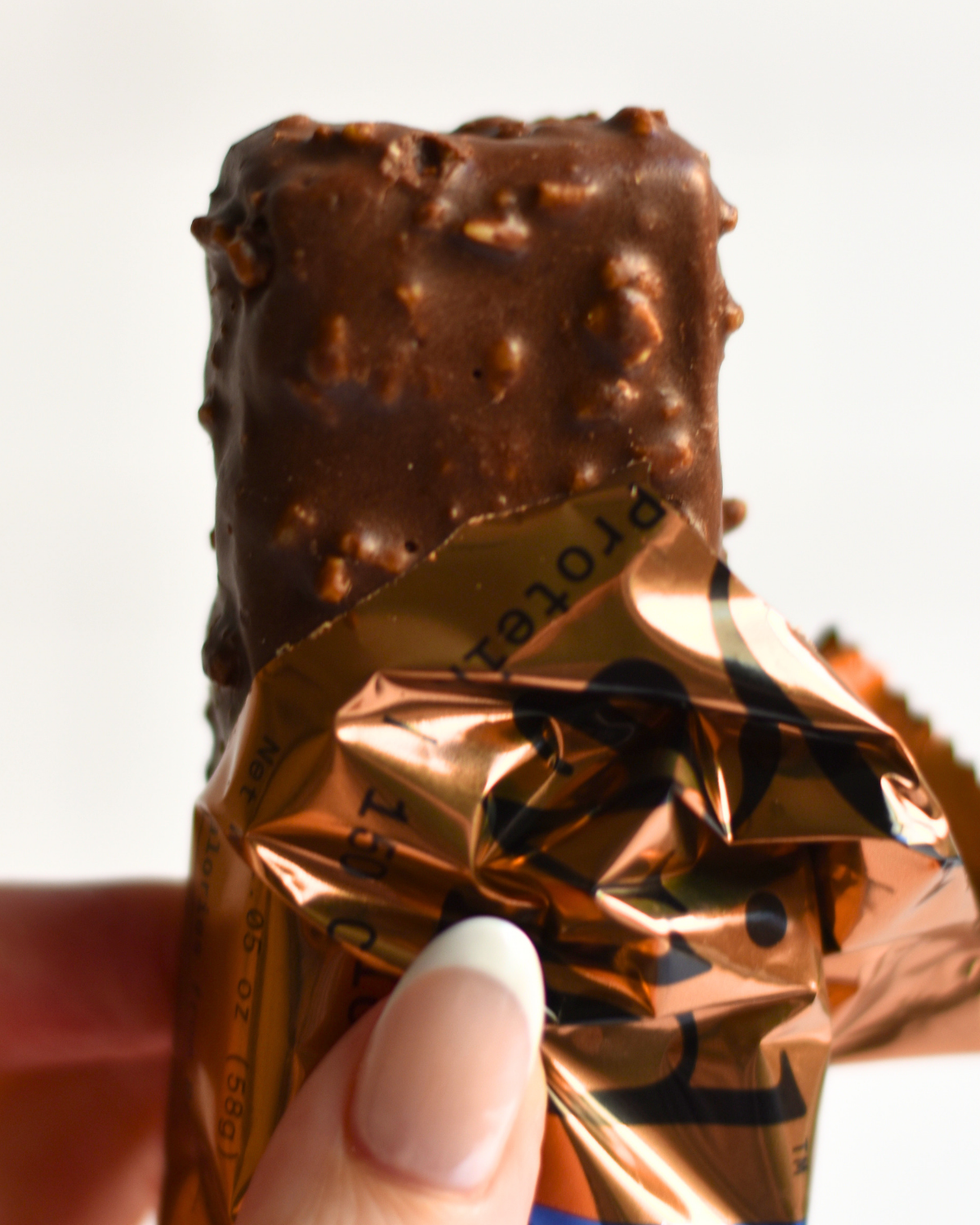
DAVID Protein Bars come in several dessert-inspired varieties, whether you prefer something rich and chocolatey or you like trying flavors a little more outside the box. The available options are split between the Gold and Bronze collections.
DAVID Gold flavors
- Chocolate Chip Cookie Dough
- Peanut Butter Chocolate Chunk
- Fudge Brownie
- Blueberry Pie
- Cinnamon Roll
- Salted Peanut Butter
- Cake Batter
- Red Velvet
DAVID Bronze flavors
- Double Chocolate
- Cookie Dough Caramel Chocolate
- Peanut Butter Chocolate
- S’mores Chocolate
Gold Bars have a dense, doughy texture, while Bronze Bars have a lighter center and chocolatey coating for more of a candy bar vibe.
Price and availability
DAVID Protein Bars generally cost $39 for a box of 12, which works out to $3.25 per bar. A subscription knocks 10% off the price, bringing each box to $35.10, or about $2.93 per bar. Still, that’s definitely on the pricier side, especially if you’re eating them daily.
The brand also offers occasional bundle deals, including a buy-four-cartons-get-one-free promotion. Shipping is free on U.S. orders over $50, so ordering just one box may come with an additional shipping fee.
You can purchase DAVID Protein Bars directly from the company’s website or find them through retailers such as Amazon, Walmart, Target, and Costco. Selection and pricing can vary, so it’s worth comparing retailers before committing to a full box.
DAVID Protein Bars vs. competitors
The protein bar aisle is crowded, but DAVID Gold manages to stand out with some pretty impressive macros. Each bar delivers 28 grams of protein for only 150 calories, giving it the highest protein-to-calorie ratio in this lineup. That said, many other bars may offer more fiber, simpler ingredients, plant-based protein, or a lower price tag.
Here’s a closer look at how DAVID Protein Bars compare to a few top competitors.
| Calories | Protein | Fiber | Total sugar | Price per bar | Best for | |
|---|---|---|---|---|---|---|
| DAVID Gold | 150 | 28 grams | 1-2 grams | 0 grams | $3.25 | Most protein per calorie |
| DAVID Bronze | 150 | 20 grams | Up to 6 grams | 0 grams | $3.25 | Dessert-like texture with more fiber |
| Quest Chocolate Chip Cookie Dough | 190 | 21 grams | 14 grams | 1 gram | $2.66 | High protein and fiber |
| Barebells Cookies & Cream | 200 | 20 grams | 3 grams | 1 gram | $2.58 | Candy bar-like experience |
| BUILT Cookies ’N Cream Puff | 150 | 17 grams | 0 grams | 7 grams | $2.50 | Soft, marshmallow-like texture |
| ALOHA Chocolate Chip Cookie Dough | 240 | 14 grams | 10 grams | 5 grams | $2.92 | Vegan and high-fiber diets |
| RXBAR Chocolate Sea Salt | 200 | 12 grams | 5 grams | 14 grams | $2.33 | A shorter, more familiar ingredient list |
If you’re just looking at the numbers, DAVID Gold takes the top spot when it comes to protein, and by a pretty comfortable margin too. It provides seven more grams of protein than Quest while containing 40 fewer calories. DAVID Bronze doesn’t stand out quite as dramatically, but it still offers 20 grams of protein for only 150 calories and provides more fiber than Gold.
Of course, that doesn’t make DAVID the best choice for everyone. Quest delivers significantly more fiber, ALOHA is completely plant-based, and RXBAR uses a much shorter ingredient list built around dates, egg whites, and nuts. DAVID is also the most expensive option in this comparison, so its value largely depends on how much you prioritize squeezing the maximum amount of protein into the fewest possible calories.
Are DAVID Protein Bars worth it?
Whether or not DAVID Protein Bars are worth it all comes down to your goals, priorities, and personal preferences.
DAVID Protein Bars might be worth a try if you:
- want to get as much protein as possible for relatively few calories
- need a convenient post-workout snack or on-the-go protein boost
- prefer protein bars with zero grams of sugar
- enjoy dessert-inspired flavors and don’t mind alternative sweeteners
- are willing to pay a premium price for a higher protein-to-calorie ratio
However, they might not work for you if you:
- follow a vegan or vegetarian diet
- avoid collagen, gelatin, dairy, eggs, or soy
- are sensitive to sugar alcohols or alternative sweeteners
- prefer less processed snacks made with a short list of familiar ingredients
- want a protein bar that also provides plenty of fiber
- are looking for a more budget-friendly option
FAQ
More supplement articles
Do You Need a Multivitamin Every Day? What the Science Shows
Is Coconut Cult Worth It? A Dietitian’s Honest Review

Best Probiotics for Digestion: Top Supplements for a Healthy Gut
Protein Pop Review: A Dietitian’s Take on Ingredients, Nutrition, and Taste
MISFITS Protein Bars Review: A Dietitian’s Honest Take
LMNT Electrolytes Review: Is It Worth It? A Dietitian Weighs In

Clear Protein Drinks: Benefits, Best Brands, and What to Look For

Do You Need Vitamin D Supplements? Benefits, Deficiency, and Dosage Explained

Are Greens Powders Worth It? Benefits, Downsides, and More
Olipop vs. Poppi: Which Prebiotic Soda Is Healthier? A Dietitian’s Review
Conclusion
Overall, DAVID Protein Bars stand out for their impressive protein content, sugar-free formula, and wide range of unique flavors.
They can be a convenient option for increasing your protein intake, especially if you have higher protein needs or specific calorie goals.
However, their higher price, low fiber content, alternative sweeteners, and animal-derived ingredients won’t work for everyone.
Ultimately, they’re a solid choice for protein efficiency, though plenty of more affordable, fiber-rich, or plant-based alternatives are also available.