Seed Cycling for Hormones: Does It Actually Work?
Quick summary
Hormone health can feel complicated, but seed cycling for hormones has become a popular, food-based trend that promises a simpler approach. By rotating through flax, pumpkin, sesame, and sunflower seeds during different phases of your menstrual cycle, proponents of the practice claim that seed cycling can be a natural way to support estrogen and progesterone balance.
But is there actually science behind it, or is it just another buzzy wellness trend? In this article, we’ll explore what seed cycling is, what research shows so far, and whether it’s actually worth adding to your routine.

What is seed cycling?
Seed cycling is a popular wellness practice aimed at balancing hormone levels throughout your menstrual cycle.
The idea behind it is pretty simple: you rotate between flax, pumpkin, sesame, and sunflower seeds during different phases of your cycle to provide nutrients that may promote the production of specific hormones, like estrogen and progesterone.
Each seed offers its own mix of fiber, healthy fats, and micronutrients like zinc, magnesium, and vitamin E, all of which are often linked to hormone health.
How seed cycling works
Seed cycling divides your cycle into two main phases and pairs each with specific seeds that are rich in hormone-supportive nutrients, like fiber, omega-3 fatty acids, zinc, and vitamin E.
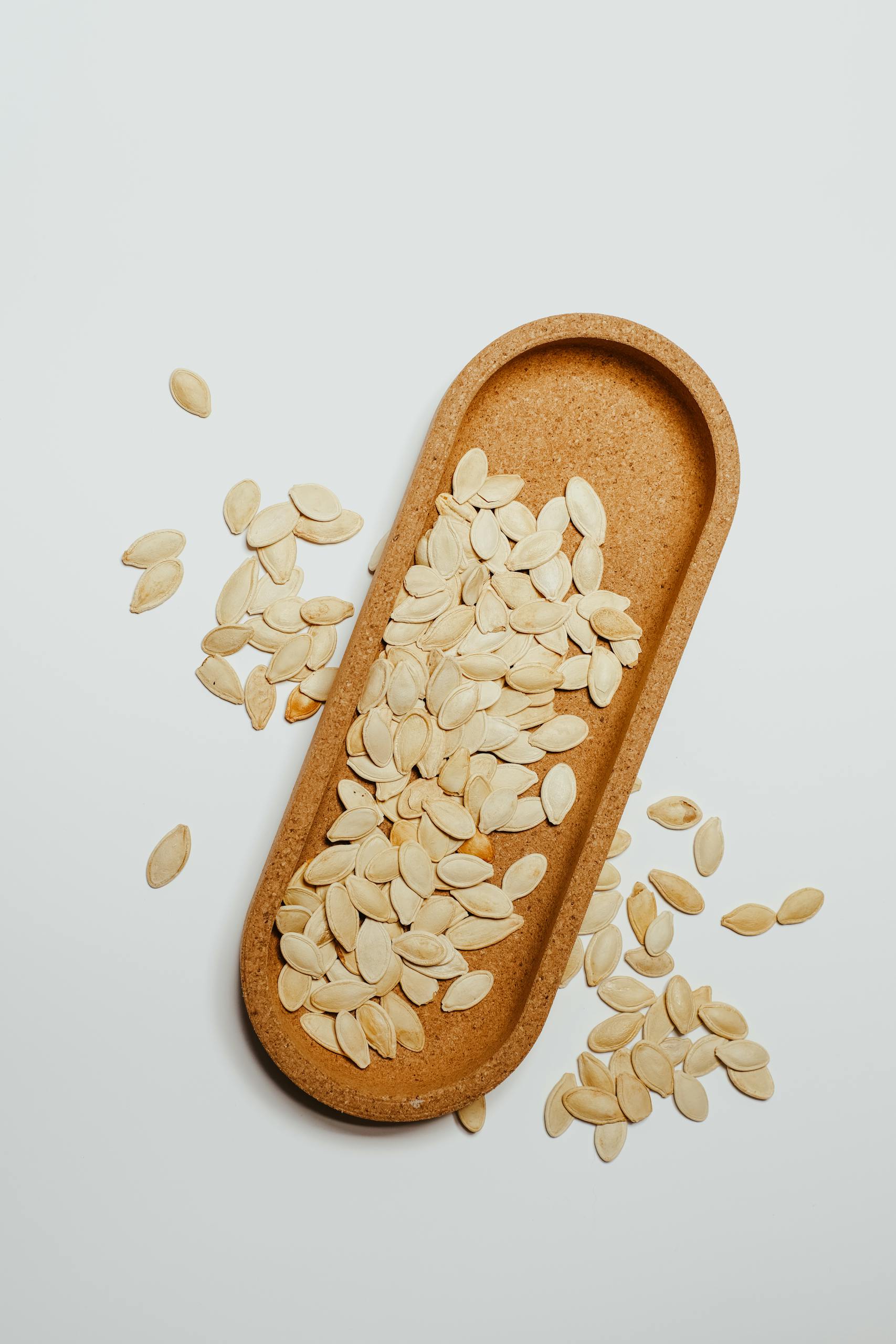
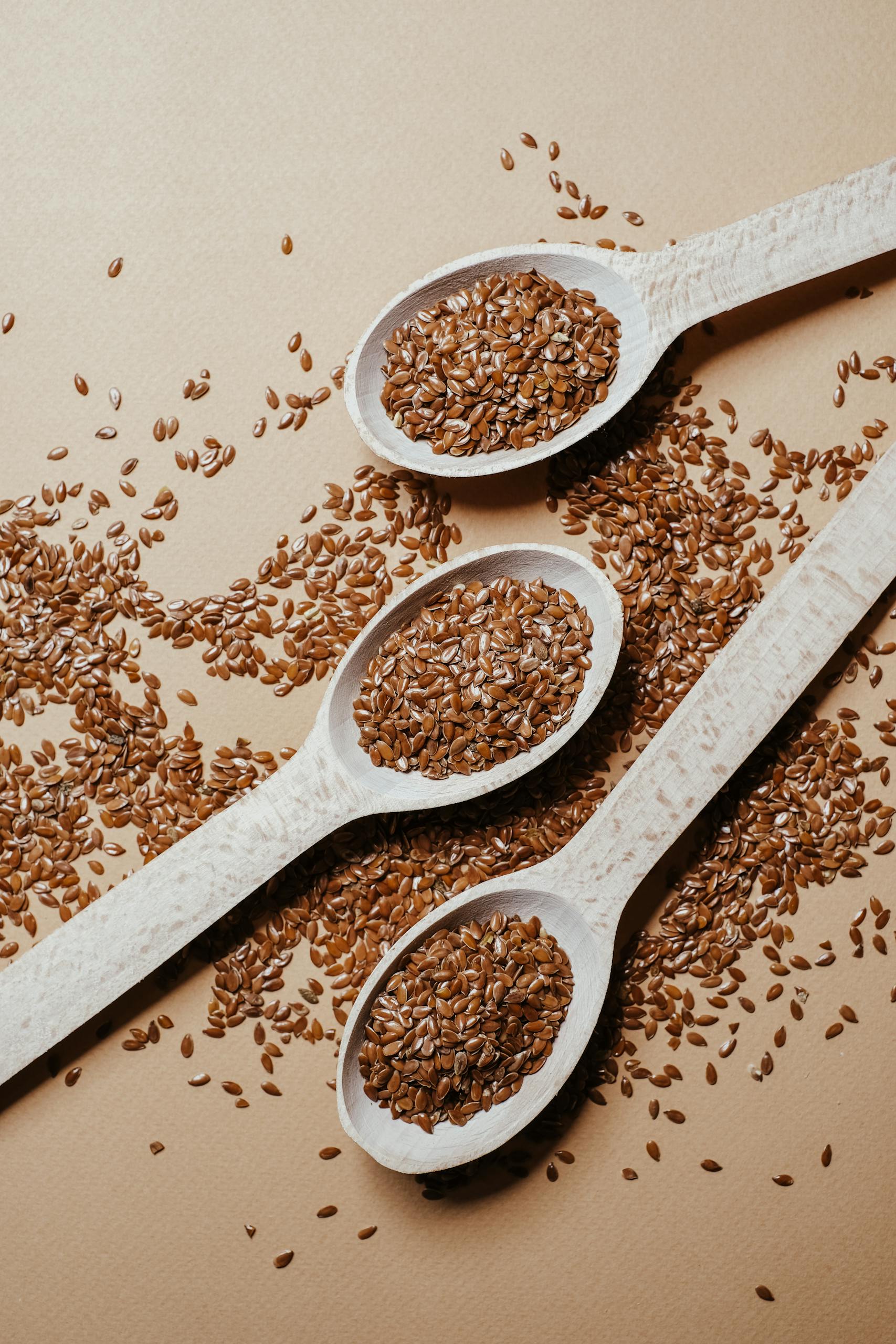
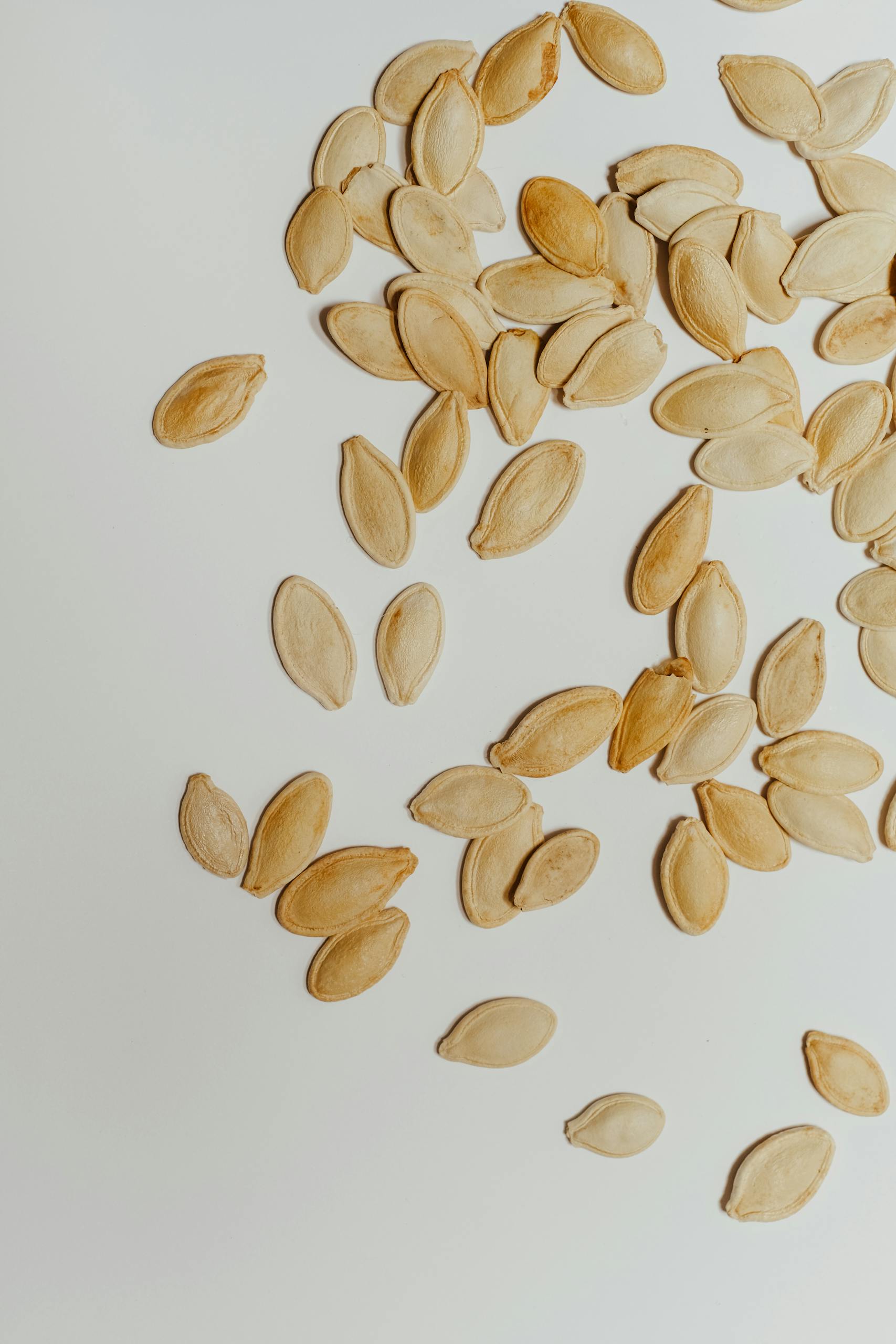
During the first half of your cycle (often called the follicular phase), you typically eat flax and pumpkin seeds. Flaxseeds are especially rich in lignans, which may promote healthy estrogen metabolism, whereas pumpkin seeds provide zinc, a mineral that plays a key role in reproductive health.
In the second half of your cycle (aka the luteal phase), you switch to sesame and sunflower seeds. Sesame seeds also contain lignans, while sunflower seeds are packed with vitamin E, an antioxidant that may support progesterone production and balance.
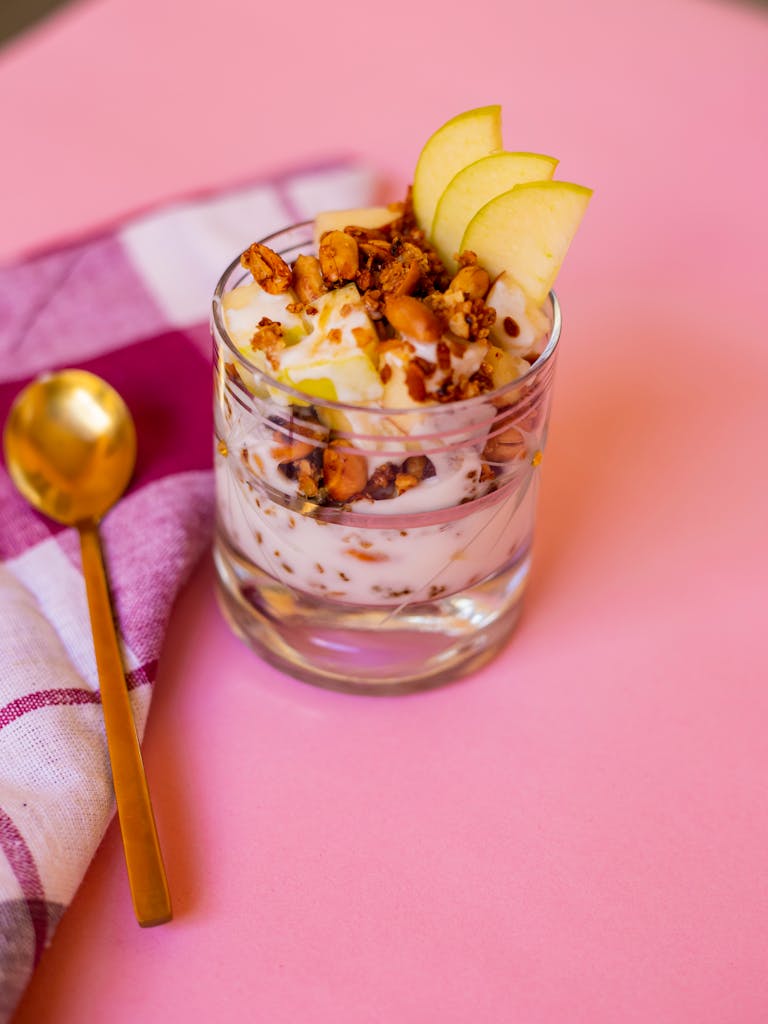
To keep things simple, most people aim for around 1-2 tablespoons of freshly ground or raw seeds per day, sprinkled into smoothies, oatmeal, yogurt, or even salads.
Stay in the loop!
HEALTHY EATING TIPS & RECIPES delivered directly TO YOUR INBOX
Research on seed cycling
While seed cycling has become a buzzy topic in the world of hormone health and cycle syncing, you might be wondering: is there actually any science behind it?
Proponents claim that rotating flax, pumpkin, sesame, and sunflower seeds throughout your menstrual cycle can keep estrogen and progesterone levels balanced, but here’s what the research really says:
- One review published in 2025 concluded that seed cycling (and especially flax and sesame seeds) may be linked to improvements in menstrual regularity, PMS symptoms, and some hormonal and metabolic markers in people with PMS or polyendocrine metabolic ovarian syndrome (PMOS), formerly known as polycystic ovary syndrome (PCOS).
- In a recent case study, a 29-year-old woman with PMOS and infertility followed a treatment plan that included seed cycling (and supplementation with myo-inositol and folic acid), leading to improved menstrual regularity, weight loss, and normalized hormone levels after 6 months.
- In a small study of women with PMOS, seed cycling combined with a healthy diet helped lower hormone levels like LH and FSH, suggesting it may help promote hormone balance.
- One animal study found that seed cycling diets appeared to affect hormone levels and support healthy ovarian function in rats.
The bottom line: early research is promising, but we need larger, high-quality human studies before we can say for sure how effective seed cycling really is.
Potential benefits of seeds
Even though the benefits of seed cycling for hormones are still being studied, the seeds used in the practice are packed with important nutrients that can enhance health in a variety of ways. Here’s a closer look at the potential perks they bring to the table:
- Rich in key minerals: Pumpkin and sesame seeds provide zinc and magnesium, which play important roles in reproductive health.
- Support hormone metabolism: Flax and sesame seeds contain lignans, plant compounds that are crucial for estrogen metabolism.
- Provide antioxidant protection: Many seeds are high in vitamin E, an antioxidant that protects cells against oxidative stress and inflammation.
- Promote healthy digestion: Seeds are a great source of fiber, which helps keep you regular and boosts your gut microbiome.
- Contain healthy fats: All four seeds contain beneficial fats that support brain health, hormone production, and satiety.
Should you try seed cycling?
Seed cycling is a simple practice that’s easy to incorporate into your daily routine, and it comes with the added bonus of nutrient-dense seeds like flax, pumpkin, sesame, and sunflower.
Many people enjoy it as an easy, natural way to be more intentional about balancing hormone levels and supporting their cycle.
But while it’s an appealing idea, the science just isn’t strong enough yet to say seed cycling directly regulates hormones or improves conditions like PMOS or PMS.
At the end of the day, if you’re curious about seed cycling, it can be a fun, low-effort habit to experiment with, but it’s not a magic fix. The real foundation of hormone health still comes back to the basics: eating enough, managing stress, sleeping well, and getting consistent medical support when you need it.
Other ways to support hormone balance
While seed cycling for hormones can be a solid addition to your routine, it works best as part of a bigger picture. Hormone health is influenced by many lifestyle factors, and small, consistent changes can slowly stack up over time.
Here are some other evidence-backed ways to support hormonal balance:
- Eat enough overall calories: Under-eating can disrupt hormone production and lead to irregular cycles.
- Prioritize protein and healthy fats: These nutrients are essential building blocks for hormone production and blood sugar balance.
- Focus on fiber-rich foods: Fruits, veggies, legumes, and whole grains promote gut health, which plays a role in hormone metabolism.
- Manage stress levels: Chronic stress can impact cortisol and other reproductive hormones, so practices like walking, journaling, or breathwork can help.
- Get enough sleep: Poor sleep can interfere with insulin, cortisol, and reproductive hormone balance.
- Stay active: Regular movement supports hormone health, but don’t overdo it — excessive intense exercise can sometimes have the opposite effect.
- Work with a doctor when needed: If you have symptoms like irregular cycles, severe PMS, or suspected PMOS, personalized medical guidance from a trusted healthcare provider is key.
FAQ
More helpful articles
Conclusion
Seed cycling for hormones is a simple, food-based trend that’s gained popularity for its potential to promote better hormone balance.
While early research and anecdotal reports are promising, the jury’s still out on whether it really works, and more high-quality studies are needed.
Even so, the seeds used in the practice are packed with nutrients and can be a healthy addition to most diets, making it a nourishing, low-risk practice to experiment with.