How to Use Nutritional Yeast: Recipes, Benefits, and Nutrition Facts
Quick summary
Nutritional yeast might just be one of the most underrated pantry staples, especially if you love bold, cheesy flavor but want a more nutrient-dense, plant-based option. With its naturally savory, umami taste and impressive nutrition profile, it has become a go-to ingredient for vegans, vegetarians, and anyone looking to add more flavor and nutrients to their menu.
In this guide, we’ll cover exactly how to use nutritional yeast, plus its key benefits, nutrition facts, and what you need to know before adding it to your routine.
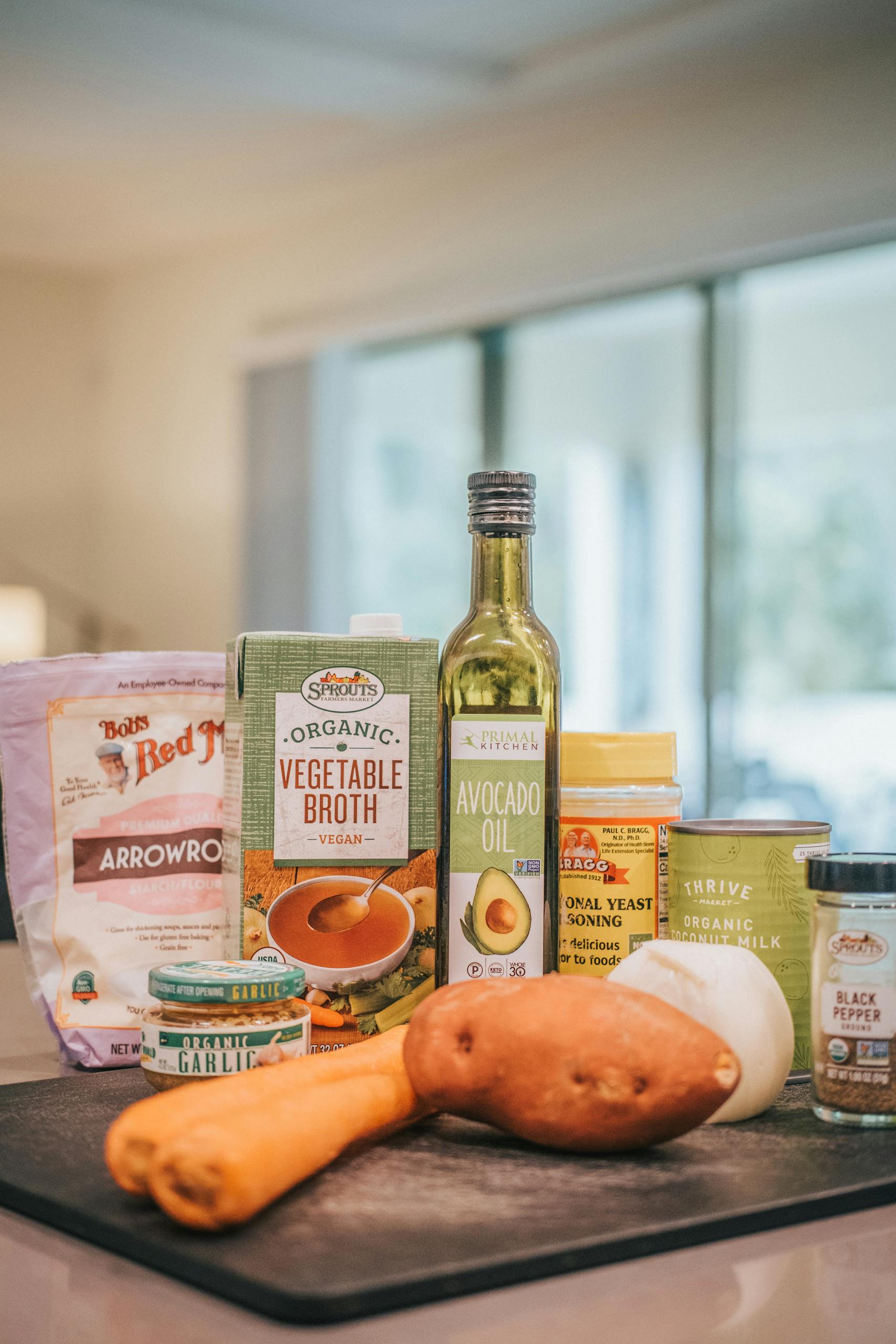
What is nutritional yeast?
Nutritional yeast (also sometimes called “nooch”) is a deactivated yeast made from Saccharomyces cerevisiae, the same species used in baking and brewing, but with one big difference. Unlike yeast used by bakers, it’s inactive, which means that it won’t make dough rise or ferment.
Instead, nutritional yeast is grown on a nutrient-rich medium (like molasses), then harvested, washed, heated, and dried into golden flakes or powder. The result is a shelf-stable ingredient with a naturally savory, cheesy flavor that’s become a staple in plant-based pantries around the globe.
Nutritional yeast nutrition facts
One of the biggest reasons nutritional yeast has become so popular is that, in addition to its cheesy flavor, it also brings a solid set of nutrients to the table. Just a small sprinkle provides protein, B vitamins, and important micronutrients, especially for those following plant-based or dairy-free diets.
The exact nutritional value can vary by brand, but one serving (or about 2 tablespoons) generally provides the following nutrients:
- Calories: 40
- Carbs: 3 grams
- Fiber: 2 grams
- Protein: 5 grams
- Fat: 0 grams
- Vitamin B12: 15 micrograms (630% of the Daily Value, or DV)
- Thiamin: 6.2 milligrams (520% of the DV)
- Riboflavin: 6.3 milligrams (480% of the DV)
- Vitamin B6: 7.2 milligrams (420% of the DV)
- Niacin: 35 milligrams (220% of the DV)
- Folate: 212 micrograms (90% of the DV)
- Iron: 1 milligram (6% of the DV)
- Potassium: 214 milligrams (4% of the DV)
Keep in mind that not all nutritional yeast contains vitamin B12, so remember to check the label if you’re relying on it as a B12 source and stick to fortified versions if needed.
Benefits of nutritional yeast
Nutritional yeast is so much more than a tasty vegan cheese alternative. In fact, it also offers a range of nutritional benefits that make it a smart addition to your daily diet. A small serving can boost your intake of several essential nutrients, especially for those following vegan, vegetarian, or dairy-free diets.
High in B vitamins
Nutritional yeast is one of the most well-known plant-based sources of B vitamins, including thiamin, riboflavin, niacin, and vitamin B6.
Many fortified versions also provide vitamin B12, which is important for energy production, nerve health, and red blood cell formation.
And because vitamin B12 is found primarily in animal products, fortified nutritional yeast can be especially useful for vegans and vegetarians looking to help bump up their intake.
Promotes energy production
Thanks to its content of B vitamins, nutritional yeast helps promote energy production by converting the food you eat into fuel to power your cells. This is one reason it’s commonly included in vegan and vegetarian diets.
Rich in plant-based protein
With about 5 grams of protein per serving, nutritional yeast can be an easy (and delicious) way to boost your daily intake of protein. While it’s not a complete protein on its own, it can be a helpful add-on to meals like pasta, salads, soups, and bowls.
Flavorful yet low in fat and sodium
Nutritional yeast delivers a naturally cheesy, umami flavor without the saturated fat, cholesterol, or sodium found in regular cheese.
It’s also low in sodium, making it a heart-healthy way to enhance flavor without relying on salt-heavy seasonings.
Suitable for most diets
Nutritional yeast is low in calories, with just 40 calories per serving.
It’s also vegan, gluten-free, and dairy-free, making it a versatile pantry staple suitable for a wide range of dietary needs.
Stay in the loop!
HEALTHY EATING TIPS & RECIPES delivered directly TO YOUR INBOX
How to use nutritional yeast
Nutritional yeast is incredibly versatile and can be used in everything from simple snacks to full meals. Here are some easy and delicious ideas for how to use nutritional yeast.
1. Toss it on pasta
Sprinkle nutritional yeast over pasta or mix it into sauces for a quick boost of flavor and nutrients. It works especially well as a substitute for parmesan, adding a cheesy flavor without the dairy.
2. Mix it into scrambled tofu
Stir a scoop of nutritional yeast into scrambled tofu to add a cheesy taste and enhance the overall flavor. It can also bump up the amount of protein and squeeze in some extra B vitamins for a more well-rounded breakfast.
3. Make a vegan cheese sauce
Blend nutritional yeast with cashews, garlic, and plant-based milk for a creamy, dairy-free cheese sauce. This goes great with vegan burrito bowls, tacos, and even some baked dishes (like my Mexican Tortilla Casserole!).
4. Add it to roasted veggies
Toss roasted veggies with a bit of nutritional yeast for an extra layer of umami flavor. It pairs especially well with roasted broccoli, potatoes, kale, and cauliflower, but don’t be afraid to get creative and try it with other vegetables too.
5. Upgrade avocado toast
Sprinkle a bit of nutritional yeast onto avocado toast, along with a pinch of salt, pepper, and chili flakes for a simple but flavorful upgrade.
6. Stir into soups and stews
Add a spoonful of nutritional yeast to soups, stews, or chilis to deepen the savory taste. Make sure to add it when it’s almost done cooking for the best possible flavor.
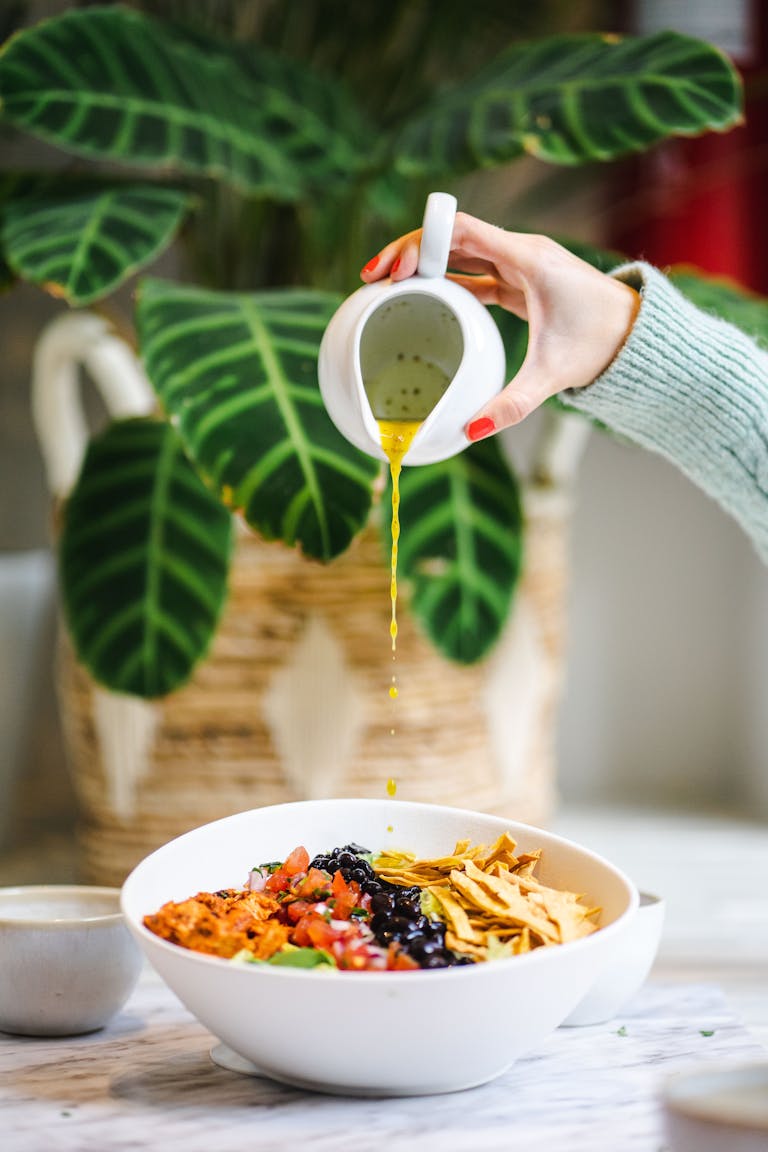
7. Use it in salad dressings
Whisk nutritional yeast into vinaigrettes or creamy dressings for added richness and depth. Pair with ingredients like apple cider vinegar, dijon mustard, or miso to maximize the flavor.
8. Sprinkle onto popcorn
Add a few tablespoons of nutritional yeast to freshly popped popcorn for a cheesy, savory snack without the dairy. Remember to toss it with a bit of oil or melted butter first to help it stick.
9. Mix into mashed potatoes
Nutritional yeast pairs perfectly with mashed potatoes, giving the dish a subtle cheesy flavor without dairy.
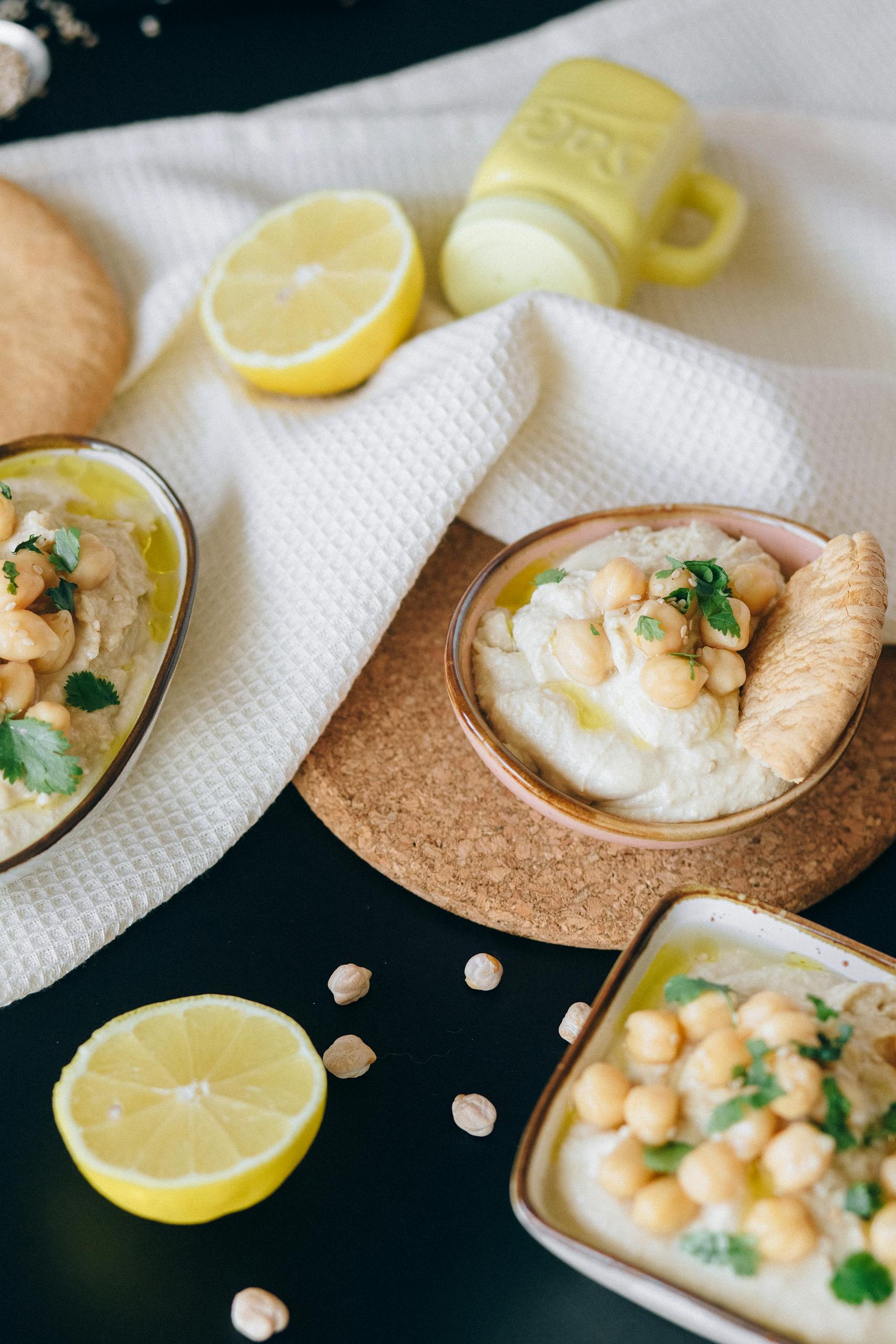
10. Blend into dips
Next time you’re making homemade hummus or bean dip, try tossing a scoop of nutritional yeast into the blender for extra flavor and nutrients. It’s often used in dips with white beans for a smooth and creamy texture and cheesy taste.
11. Use it in pesto
Swap or combine nutritional yeast with parmesan in pesto for a dairy-free twist. If your recipe calls for milk, use a plant-based alternative to make a fully vegan version.
12. Add to grain bowls
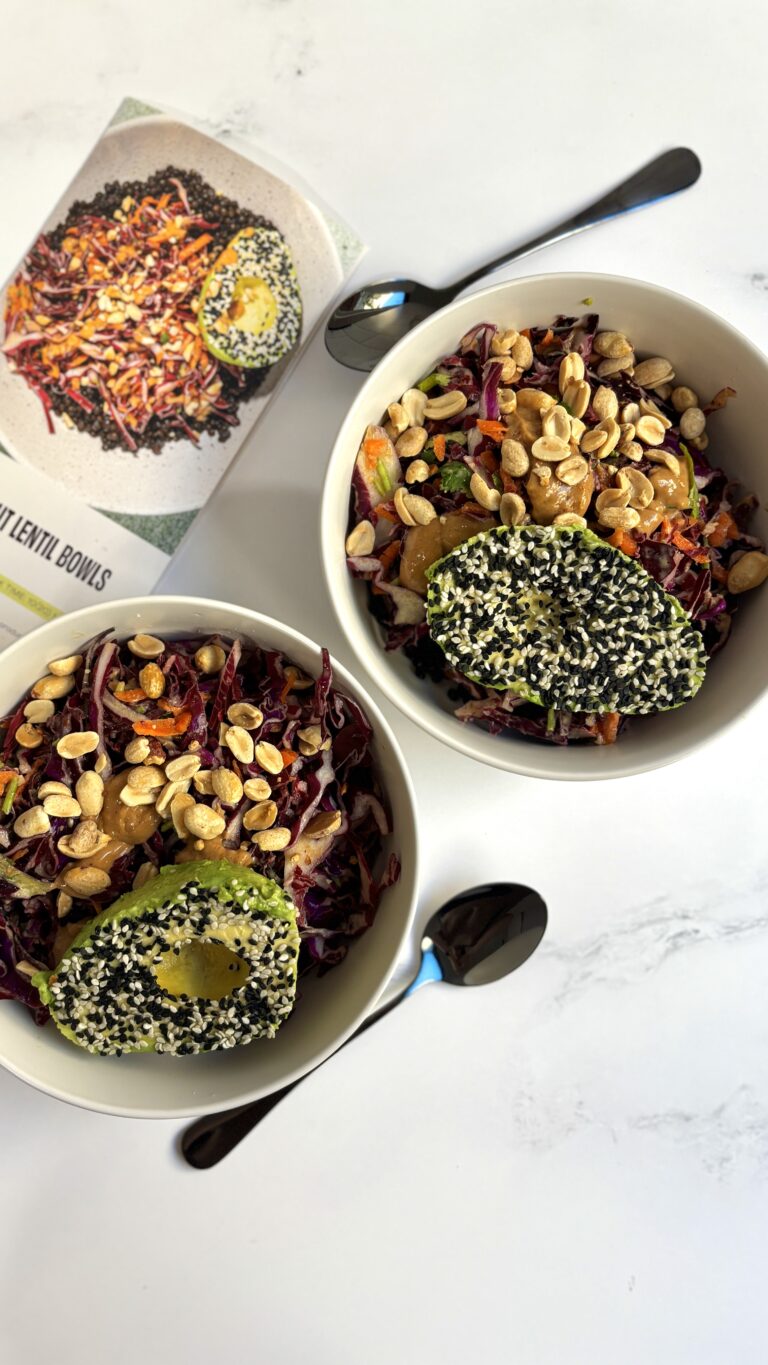
Sprinkle a little nutritional yeast over rice, quinoa, or grain bowls to ramp up the flavor and nutritional value. You can also use it in sauces to drizzle over top.
13. Try it in savory oatmeal
Stir nutritional yeast into oatmeal with spices for a savory, nutrient-packed breakfast. Mix in other toppings like avocado, eggs, or kale for more flavor, protein, and fiber.
14. Finish off salads
Use nutritional yeast as a topping for salads in place of cheese for a light, nutty flavor. You can also blend it with cashews and hemp hearts for a crumbly, cheesy topping with an added crunch.
15. Sprinkle on pizza
Use nutritional yeast as a finishing touch on pizza for a cheesy flavor boost. Or, try blending it with soy milk, tapioca starch, olive oil, and lemon juice to whip up your own melty vegan cheese sauce that’s perfect for homemade pizzas.
Who should use nutritional yeast?
Nutritional yeast is one of those rare ingredients that’s equally nutritious and delicious. Thanks to its cheesy flavor and impressive nutrition profile, it can easily fit into a wide range of diets and lifestyles.
Here’s who might benefit most from adding nutritional yeast to their routine:
- Vegans and vegetarians: Fortified nutritional yeast can help provide vitamin B12 (an essential nutrient found primarily in animal products), along with plant-based protein.
- Individuals on a dairy-free diet: Nutritional yeast delivers a cheesy, savory flavor, making it an easy dairy-free alternative to cheese.
- Those looking to boost protein intake: A few tablespoons of nutritional yeast can add extra protein to meals without much effort.
- Anyone trying to eat healthier without sacrificing taste: Nutritional yeast enhances flavor while keeping meals lower in sodium, fat, and processed ingredients.
Downsides of nutritional yeast
Nutritional yeast is generally safe and well-tolerated, but like any ingredient, there are a few things to keep in mind, especially if it’s part of your regular rotation.
One important consideration is that not all varieties contain vitamin B12. Only fortified nutritional yeast provides this nutrient, so it’s important to check the label if you’re relying on it as a source, particularly on a vegan or vegetarian diet.
Some people may also experience sensitivity to nutritional yeast, although this is pretty uncommon. In certain cases, it could cause mild symptoms like headaches, digestive discomfort, or flushing, especially in individuals sensitive to yeast or naturally occurring compounds like tyramine, an amino acid found in aged and fermented foods.
Finally, while many people love its cheesy, savory taste, the flavor isn’t for everyone and can take some getting used to. Give it a try, see how you like it, and start with small amounts in familiar dishes to ease into the flavor.
How to store nutritional yeast
Proper storage helps keep nutritional yeast fresh and flavorful for as long as possible.
Ideally, it should be stored in an airtight container in a cool, dry place, like a pantry or cupboard away from heat and direct sunlight. Exposure to air, moisture, or light can cause it to lose its flavor and quality over time.
If you buy it in bulk or don’t use it often, you can also toss it in the fridge or freezer to extend its shelf life. This is especially helpful in warmer or more humid environments.
When stored properly, nutritional yeast can last several months to even a year or more, but remember to check for any changes in smell, color, or taste before using it.
FAQ
More helpful articles
Conclusion
Nutritional yeast is a simple, versatile ingredient that can add flavor and nutrients to a wide range of recipes. Whether you’re looking to boost your intake of B vitamins, add a cheesy taste without dairy, or just try something new, it’s an easy pantry staple to incorporate into your routine. Start with small amounts, experiment with different dishes, and find the ways you enjoy it most.