How to Make Meals Healthier Without Dieting: 12 Simple Add-Ins to Boost Nutrition
Quick summary
As a dietitian, one of the most effective strategies I recommend for healthier eating is focusing on addition rather than restriction. In fact, it’s super easy to improve the quality of your meals simply by layering in nutrient-dense foods like protein, fiber, healthy fats, and produce.
Even small tweaks like tossing in extra veggies, adding protein, or sprinkling seeds on top of meals can make a big difference in how satisfying and nourishing your food feels.
In this article, we’re covering some easy, realistic ways to make your meals healthier by adding nutrient-dense foods, some of which you probably already have on hand.
Why adding foods works better than restricting
If you’ve ever tried to eat healthier by cutting things out (less carbs, less sugar, smaller portions), you probably already know how it usually goes. It might work for a few days, until you’re hungry, low on energy, and fixated on the exact foods you’re trying to avoid.
Switching up your approach can make a major difference. Instead of focusing on what to remove, one of the easiest ways to make meals healthier is to focus on what you can add. This simple shift can help you build a more balanced way of eating and ditch the all-or-nothing mindset.
It increases satiety
When you add things like protein, fiber, and healthy fats to your meals, they naturally become more filling. That means you’re less likely to be constantly hungry or go back for more because something was missing.
It stabilizes blood sugar levels
Meals that are mostly made up of refined carbs can cause quick spikes and crashes in energy levels.
On the other hand, when you add more balance to your plate (like protein, fiber, or fat), it helps slow digestion and keeps blood sugar levels steady. This leads to fewer energy dips, less cravings, and improved focus during the day.
It’s more sustainable
The more you tell yourself you can’t have something, the more appealing it tends to become. Overly restrictive eating can lead to cravings, feeling out of control around food, or swinging between being on and off track.
On the flip side, adding a handful of simple, nutrient-dense foods to your meal plan is simple to stick with (and so much more enjoyable!). Small additions are also easier to repeat, which helps create lasting habits.
It improves your diet quality
You don’t need to meticulously track every nutrient or follow a strict set of rules to eat well.
When you consistently add foods that contain fiber, protein, healthy fats, and micronutrients, your overall diet quality improves naturally — no complicated eating plan required.
Easy ways to make meals healthier
Eating healthier doesn’t have to mean changing up your entire diet. In fact, sometimes it can be as simple as adding something small to your meals or making a few minor tweaks.
Here are easy, realistic ways to boost the nutrition profile of what’s already on your plate.
1. Add chia or flax for a quick fiber boost
Sprinkle chia seeds or ground flaxseeds into oatmeal, yogurt, smoothies, or even toast. These seeds add fiber, healthy fats, and take just seconds to add.
2. Toss in a handful of greens
Add spinach, kale, or arugula to pasta, eggs, soups, and sandwiches for an easy veggie upgrade with no extra prep needed.
3. Mix beans or lentils into meals
Stir canned beans or lentils into pastas and salads or mix them into veggie burgers and ground meat for an instant upgrade.
4. Drizzle on olive oil
Try adding a bit of olive oil to roasted veggies, pasta, or salad dressings. A little healthy fat goes a long way in making meals more satisfying (and helps absorb fat-soluble vitamins, too!).
5. Switch up your grains
Swap white rice or pasta for brown rice, quinoa, or whole-grain versions instead. You can also ease into it by doing a half-and-half mix instead.
6. Use nuts and seeds for an extra crunch
Add almonds, walnuts, pumpkin seeds, or sunflower seeds to salads, yogurt, or bowls to enhance the texture and bump up the content of fiber and healthy fats.
7. Experiment with herbs, spices, and citrus
Fresh herbs, spices, lemon juice, or vinegar can make meals taste better without relying on extra salt or sugar.
8. Add fermented foods for gut health
Top meals with a scoop of yogurt, sauerkraut, or kimchi to add probiotics and promote a healthier, happier gut — even a little goes a long way!
9. Boost meals with a simple sauce or dressing
Drizzle tahini, pesto, or a yogurt-based sauce to squeeze in extra nutrients and make meals more flavorful and satisfying. This can be the difference between a meal that’s “meh” and a crave-worthy dinner.
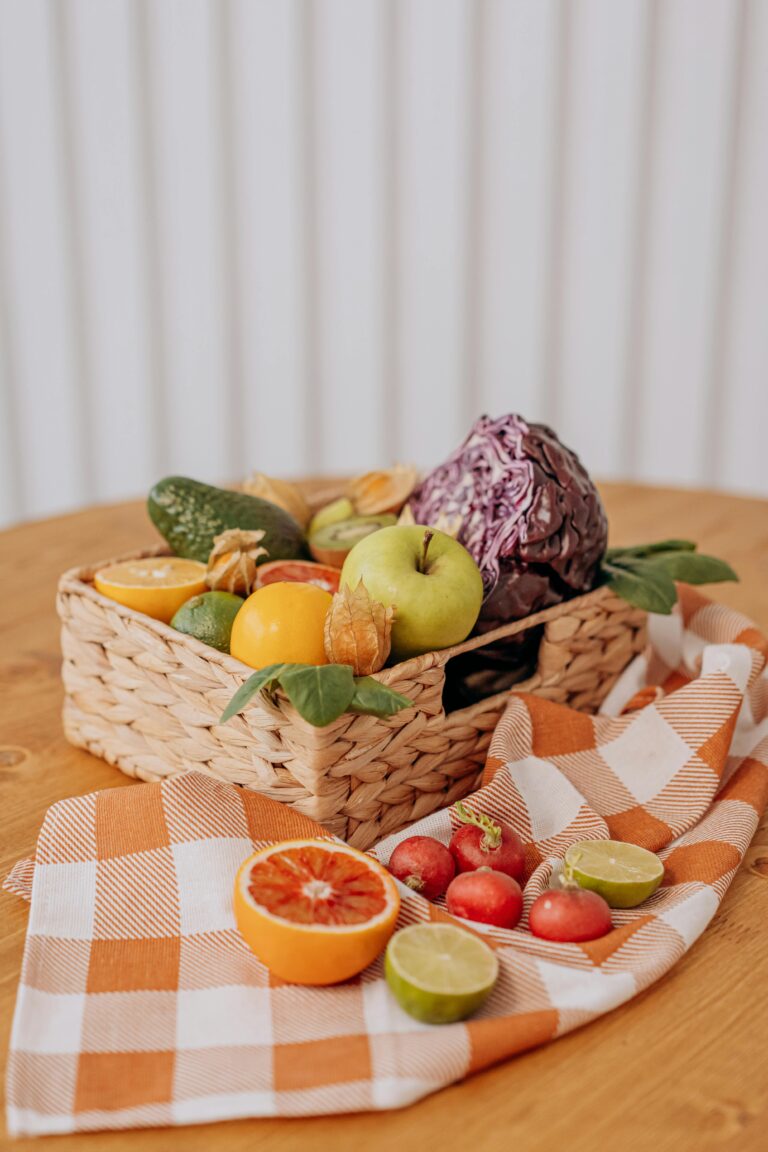
10. Add a side of fresh fruit
Enjoying a side of sliced apples, a handful of berries, or a banana alongside your meals or snacks is one of the easiest ways to boost your intake of fiber and micronutrients.
11. Throw in some frozen veggies
Keep frozen veggies on hand to toss into stir-fries, pasta, or soups. Not only can frozen veggies add extra nutrients to your meals, but they’re also super convenient and affordable.
12. Include a solid source of protein
Top meals with tofu, eggs, Greek yogurt, or leftover protein to help you stay full longer and balance blood sugar levels.
Stay in the loop!
HEALTHY EATING TIPS & RECIPES delivered directly TO YOUR INBOX
How to get started
You don’t need to give your diet a full-blown makeover to start eating healthier. Instead, focus on a few small, doable changes at a time. The goal is to make your meals a little better, even if they’re not necessarily perfect.
Here are a few quick tips to get started:
- Start with one meal a day: Pick one meal (like breakfast or lunch) and add something to it. Maybe that’s chia seeds in your oatmeal or a side of fruit with your lunch.
- Pick a few simple add-ins: Don’t try to do everything at once. Pick a couple of easy wins (like adding protein or veggies) and stick with those until they feel automatic.
- Build on what you’re already eating: Rather than finding all new recipes, you can upgrade your current meals instead. Love pasta? Add lentils and spinach. Always have toast each morning? Slather on some nut butter and seeds.
- Stack habits over time: Once one habit feels easy, add in another. Maybe you start by adding protein to meals, then later focus on fiber or veggies.
Sample meal upgrades
Sometimes the easiest way to make meals healthier is to build on whatever you’re already eating. Below are some examples of meal upgrades that can boost the nutritional value of your meal, without completely changing your menu:
- fruit smoothie → smoothie with protein, spinach, and fruit
- plain oatmeal → oatmeal with chia seeds, nut butter, and berries
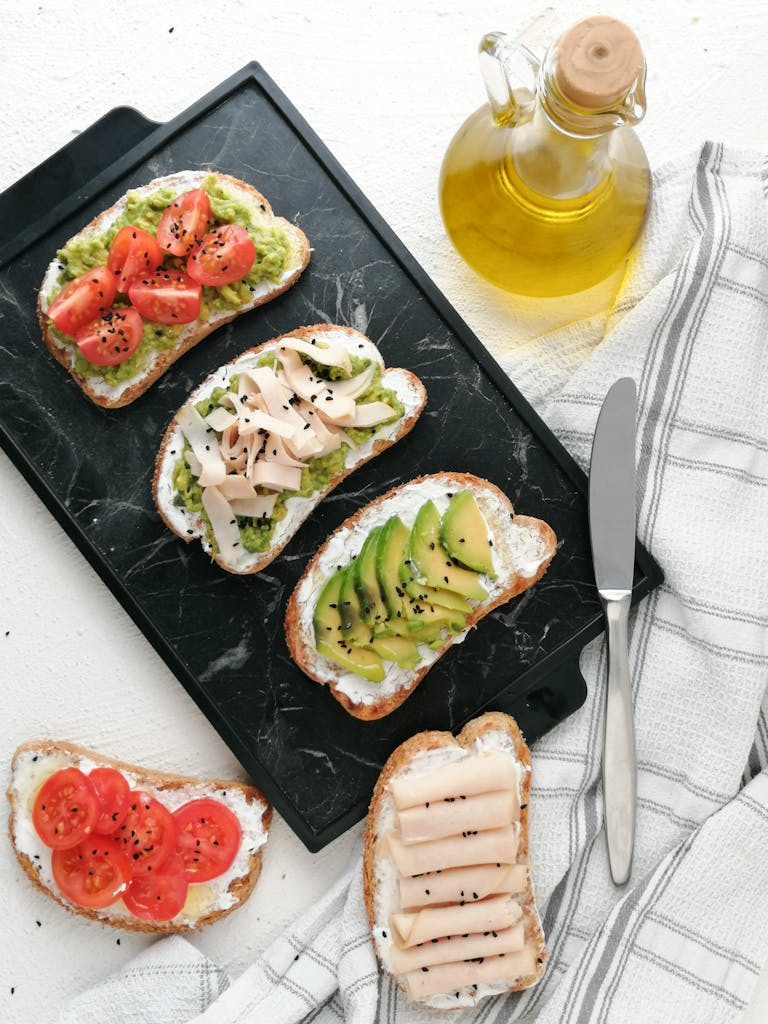
- toast with butter → toast with avocado, hemp seeds, and tomato slices
- plain pasta → pasta with lentils, spinach, and olive oil
- side salad → salad with chickpeas, quinoa, and fresh veggies
- yogurt → yogurt with walnuts, flaxseeds, and strawberries
- cereal → cereal with added nuts and sliced banana
- scrambled eggs → scrambled eggs with sautéed veggies and avocado
Common mistakes
Even a few minor mistakes can make meals less balanced or satisfying than they could be. Here are some of the most common issues to look out for.
- Skipping protein: Meals without enough protein can leave you hungry soon after eating. Adding a protein source helps increase feelings of fullness.
- Not eating enough: Trying to “eat lighter” can backfire if your meals aren’t satisfying. Undereating often leads to low energy and more cravings down the line.
- Forgetting healthy fats: Fat adds flavor and helps keep you full. Meals that are too low in fat can feel unsatisfying, even if they might seem healthy otherwise.
- Relying on carbs: Carbs aren’t the problem, but meals that are mostly made up of refined carbs without protein or fat can zap your energy levels and drive up hunger.
- Missing out on fiber: Low-fiber meals digest quickly and can leave you feeling hungry. Adding fiber-rich foods helps with fullness and gut health.
- Focusing on cutting out foods: When the focus is only on removing foods, meals often end up much less satisfying. Adding nutrients tends to make healthy eating more enjoyable and sustainable long-term.
- Overcomplicating everything: Thinking every meal has to be perfectly balanced can make things feel overwhelming. Small, simple additions are often enough, especially as you’re first getting started.
Staples for healthier meals
Having a few simple staples stocked in your kitchen makes it easier to build balanced, nourishing meals without extra effort or planning. Here are some healthy ingredients that can instantly upgrade almost any meal on your menu:
- canned beans and lentils
- frozen veggies
- leafy greens (fresh or pre-washed)
- whole grains (quinoa, brown rice, oats, farro)
- yogurt
- tofu or tempeh
- nuts and seeds (chia, flax, hemp, almonds, walnuts)
- healthy fats (olive oil, avocado, tahini, nut butter)
- simple sauces and condiments (hummus, pesto, salsa, vinegar)
- fresh or frozen fruit
- herbs and spices (garlic, cinnamon, cumin, basil, chili flakes)
FAQ
More healthy eating tips
Simple Ways to Sneak More Vegetables Into Meals

How to Get Your Toddler to Eat Vegetables (7 RD-Approved Strategies)
25 Easy Protein Swaps for Weight Loss
Top 9 Dietitian-Approved Healthy Eating Hacks
How to Eat More Whole Foods: Tips, Meal Ideas, and More
Conclusion
Making meals healthier doesn’t have to be complicated, time-consuming, or stressful.
Instead of focusing on what to cut out, adding protein, fiber-rich foods, healthy fats, and colorful fruits and vegetables can improve the balance and nutritional value of what you’re already eating.
Try incorporating a few of these quick tips to make your current diet even healthier.