Fad Diets to Avoid: 7 Popular Plans That Could Harm Your Health
Quick summary
Every few months, a new diet seems to dominate social media, promising quick weight loss, glowing skin, or “miracle” health benefits with minimal effort required. From trendy juice cleanses to meat-only plans, these extreme eating patterns can be tempting, especially when they promise big results with minimal effort. But the truth is, many of these popular plans are short-lived, overly restrictive, and sometimes even harmful.
With so many trendy eating plans constantly popping up, it can be hard to know which ones are worth trying and which are best left alone. In this post, we take an in-depth look at some of the most popular fad diets to avoid, including why they often fail, the risks they carry, and healthier ways to approach nutrition and support long-term health.
What is a fad diet?
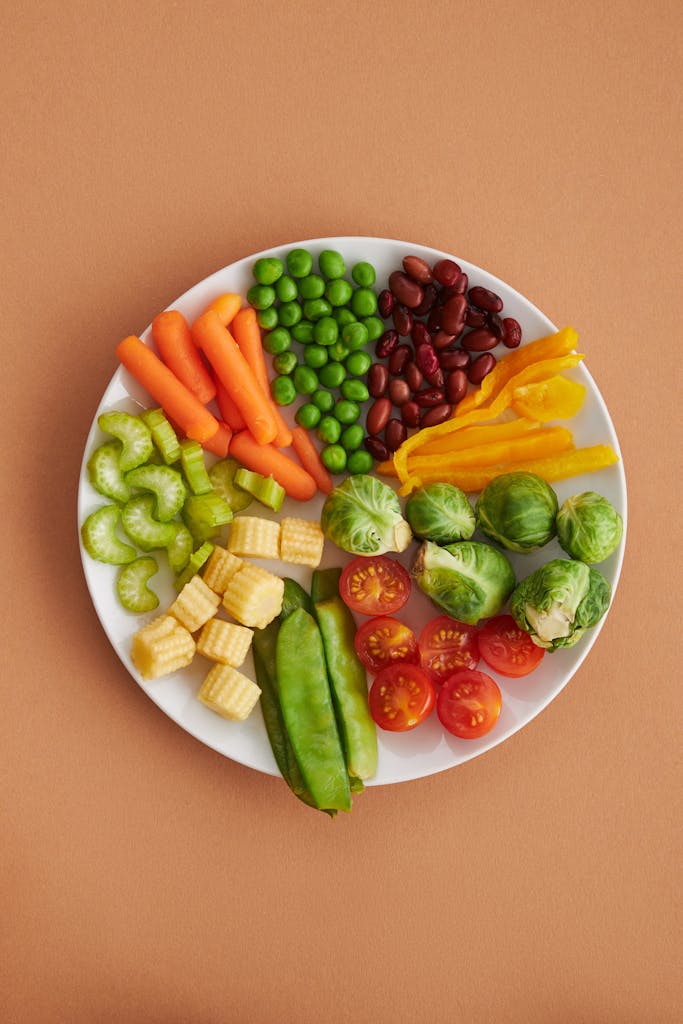
A fad diet is a short-term eating plan that promises quick results, usually through extreme restrictions. Many boast unproven health claims or unrealistic results, like rapid weight loss or dramatic health improvements.
Even though these trends can often be enticing, it’s important to be cautious, as many fad diets can lead to nutrient deficiencies, hormonal imbalances, or other health issues.
Learning to recognize fad diets to avoid can help you make safer, more sustainable choices for long-term health.
Risks of fad diets
Fad diets often promise rapid weight loss or quick health results, but they can come with some serious downsides. Common risks of fad diets include:
- Nutrient deficiencies: Some fad diets eliminate entire food groups or limit important nutrients, which could increase the risk of nutritional deficiencies.
- Digestive issues: Because fad diets are often so restrictive, it can be challenging to get enough gut-healthy nutrients in your diet, like fiber or probiotics. This can lead to constipation, bloating, and digestive distress.
- Hormonal imbalances: Drastically restricting calories or key nutrients can disrupt thyroid function, insulin regulation, and reproductive hormones.
- Weight regain: Many fad diets are unsustainable and hard to stick with in the long run. If you do lose weight, there’s a high risk of regaining it again once you resume a normal diet.
Stay in the loop!
HEALTHY EATING TIPS & RECIPES delivered directly TO YOUR INBOX
Fad diets to avoid
Fad diets often make big promises, but are overly restrictive, unsustainable, and can even put your health at risk. Here are some of the top fad diets to avoid.
1. Carnivore diet
On the carnivore diet, fruits and veggies are off the table completely as meat, eggs, and dairy take center stage.
As a plant-based dietitian, it probably comes as no surprise that this extreme eating pattern tops my list as one of fad diets to avoid.
Not only does it cut out many nutritious foods with proven health benefits (including vegetables, whole grains, nuts, seeds, and legumes), but it also virtually eliminates fiber as well, which plays a key role in gut health and regularity.
While you might lose some weight at first (as one might expect when you cut 95% of all foods from your diet), a recent review notes that the carnivore diet is actually tied to serious long-term health risks, like nutrient deficiencies and heart disease.
It can also cause short-term side effects (collectively known as the “carnivore flu”) like fatigue, muscle cramps, and constipation, a sure sign that your body isn’t meant to survive on meat alone.
2. Juice cleanses
Juice cleanses promise to “detox” your body while you sip colorful (and usually very pricey) liquids all day long.
The problem? Your body already has its own built-in detox system working for free, which includes your liver and kidneys.
While they might give a quick drop on the scale, juice cleanses can leave you hungry, low on protein, and craving anything solid enough to chew.
In addition to protein, juice cleanses are also lacking other important nutrients, like fiber and healthy fats, which can drive up the risk of nutrient deficiencies.
They’re also ineffective in the long run; according to the National Center for Complementary and Integrative Health, detox diets and juice cleanses actually tend to cause weight gain once you go back to a normal diet.
3. Alkaline diet
The basic premise behind the alkaline diet is that consuming “alkaline-producing foods” like fruits, veggies, and legumes can balance your body’s pH, while restricting “acid-producing foods” like dairy, meat, and processed foods helps minimize “acid ash” in the body.
This sounds good in theory, but while your diet can influence the pH of your urine, it actually has little effect on your blood pH, which your body tightly regulates within a very narrow range.
That said, there is truth to the idea that eating more fruits and vegetables can promote wellness, since they’re rich in fiber, vitamins, minerals, and antioxidants. However, the benefits come from their nutrient density, not their ability to “alkalize” your blood.
Rather than following a restrictive alkaline diet, a more balanced approach that simply incorporates more whole, plant-based foods alongside other nutrient-rich options is a more sustainable and effective way to support your health.
4. Grapefruit diet
The grapefruit diet is a classic fad diet that soared to fame in the 1940s by claiming that eating grapefruit with every meal can help boost fat burning and accelerate weight loss.
But even though grapefruit is a nutritious fruit rich in vitamin C and antioxidants, it’s not some magical fat-burning orb.
In reality, most of the weight loss people see on this diet comes from eating less overall rather than any special grapefruit superpower.
Plus, building your entire meal plan around a single fruit can get old pretty fast and leaves little room for protein, healthy fats, or flavor.
5. Keto diet
The keto diet is known for shifting your body into ketosis, a fat-burning metabolic state, by drastically cutting carbs and increasing fat intake.
Bread, pasta, and most fruits are off-limits, whereas high-fat foods like bacon and butter are actually encouraged.
While some people do see short-term results and it can be helpful for certain health conditions (such as epilepsy), cutting carbs almost completely out of your diet can come with side effects like fatigue, brain fog, and the not-so-glamorous “keto flu.”
Over time, the ketogenic diet can also increase levels of LDL (“bad”) cholesterol, a risk factor for heart disease.
Unless you plan to avoid carbs forever, keto is rarely sustainable long term, which is one of the key reasons it falls into the category of fad diets to avoid.
A more balanced approach to carbs is typically easier to maintain and better supports long-term health.
6. Cabbage soup diet
The cabbage soup diet is built around a simple idea: eat as much cabbage soup as you want and watch the weight fall off.
And to be fair, if you eat mostly watery soup for several days, the scale might move (but probably not for the reasons you’d hope).
This plan is extremely low in calories and lacks enough protein, healthy fats, and essential nutrients to support your body.
It’s also about as exciting as it sounds, which makes it tough to stick with for more than a few days.
Any weight loss is usually temporary, and normal eating often brings it right back, making this a prime example of the fad diets to avoid.
7. Lion diet
The lion diet is one of the most extreme fad diets to hit the scene. It consists entirely of meat, salt, and water, cutting out all plant foods.
While some people try it to reduce inflammation or reset their gut, the diet is extremely restrictive and can create serious nutrient gaps, including fiber, vitamins, and antioxidants.
While a few short-term results might pop up, the lack of fiber, vitamins, and variety makes it tough to stick with, and will likely leave your taste buds bored and your digestive system backed up.
How to spot a fad diet
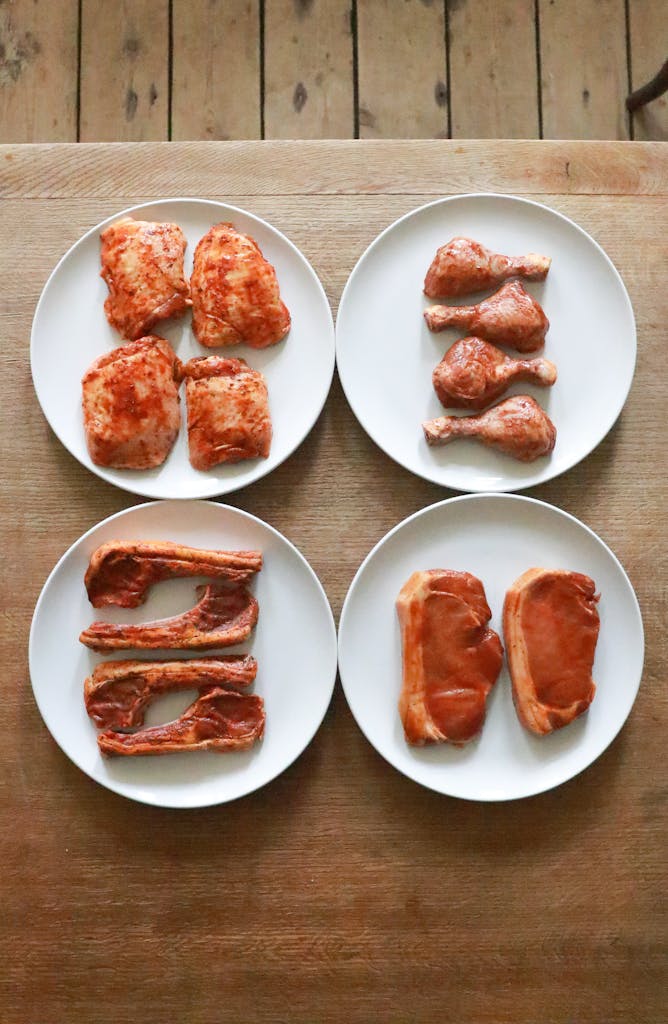
Not all diet trends are created equal, and some can do more harm than good when it comes to your health. Here are some of the top signs to help you identify a fad diet:
- promises rapid or extreme weight loss in a short period of time
- eliminates entire food groups or severely restricts calories
- relies on a single “superfood” or other “magic” ingredient to achieve results
- lacks scientific evidence or credible research to back up its claims
- focuses on quick fixes rather than long-term, sustainable eating habits
- uses flashy marketing, celebrity endorsements, or overly simplistic rules
- encourages strict rules that are difficult to maintain in everyday life
Healthier alternatives to fad diets
Instead of following extreme or restrictive plans, focusing on balanced, sustainable eating is a safer and more effective approach. Some healthier alternatives include:
- Mediterranean-style eating: emphasizes fruits, vegetables, whole grains, lean proteins, and healthy fats
- Flexible low-carb or balanced diets: reduces refined carbs without cutting out entire food groups
- Plant-forward eating: emphasizes more vegetables, legumes, and whole foods, with or without animal products
- Mindful eating habits: involves paying attention to hunger cues and portion sizes rather than strict rules
These approaches focus on nutrient-dense foods and healthy habits you can stick with, helping you feel satisfied and energized, without the stress of extreme (and unnecessary) restrictions.
FAQ
More articles for you
Is Snacking Bad for Metabolism? A Dietitian Explains the Truth

Does Vitamin C Help Colds? What the Science Actually Says

10 Common Healthy Eating Myths That Aren’t Actually True

Do GLP-1s Cause Muscle Loss? Here’s What Research Says
Is Soy Bad for You? What the Research Really Says
Are Ultra-Processed Foods Always Unhealthy?
Do You Need a Multivitamin Every Day? What the Science Shows
Is Starvation Mode Real? Here’s What You Need to Know
Conclusion
Even though fad diets can be tempting with their promises of quick results, they’re often restrictive, unsustainable, and even harmful. Focusing on healthy eating habits that you can maintain long-term is a better way to promote your health, fuel your body, and actually enjoy your food without the stress of extreme rules.