8 Surprising Signs You’re Not Getting Enough Fiber
Quick summary
Most of us know fiber helps keep things moving, but its benefits stretch way beyond the bathroom. And even though constipation might be the first thing you think of when it comes to fiber, this important nutrient is also involved in regulating everything from blood sugar levels to cholesterol.
Falling short on fiber can show up in ways that aren’t always obvious. Some of the most surprising signs you’re not getting enough fiber include feeling hungry soon after meals, hitting an energy slump between meals, or getting extra gassy whenever you finally eat something fiber-rich.
Luckily, increasing your intake of fiber doesn’t have to involve living on bran cereal or completely changing up your menu. In this article, we’ll break down the less-obvious clues that you may need more fiber, how much to aim for, and some simple ways to sneak more into your day.

Signs you’re not getting enough fiber
Wondering whether you’re getting enough fiber? These common but often overlooked signs might suggest your intake is running a little low.
1. You feel hungry again soon after eating
Have you ever finished a meal only to find yourself rummaging through the pantry an hour later? If so, your plate might be missing fiber. Fiber slows down digestion and helps you feel fuller for longer, which can keep hunger at bay between meals.
Eating more fiber can also balance blood sugar levels and influence hunger and fullness hormones, both of which can help meals stick with you a little longer.
2. Your energy levels dip between meals
If your energy takes a nosedive a couple of hours after eating, a lack of fiber could be partly to blame. Fiber slows the absorption of carbs, helping prevent sharp spikes and drops in blood sugar that can leave you feeling tired, sluggish, or ready for a nap.
This is especially common after meals or snacks packed with refined carbs but light on fiber, such as pastries, sugary cereal, or white bread. Pairing carbohydrates with a source of fiber (plus some protein or healthy fats) is a smart way to keep you powered up until your next meal.
3. You’re never fully satisfied after eating
There’s a difference between eating enough food and feeling genuinely satisfied by it. Fiber adds bulk to meals, slows digestion, and takes longer to chew, giving your body more time to register that it’s been fed. Without enough of it, you might finish a meal feeling like something is missing, even if you technically ate plenty.
4. Your bowel movements are irregular (even if you’re not constipated)
Constipation may be the most obvious bathroom-related sign of low fiber intake, but it isn’t the only one. Not getting enough fiber may also lead to stools that are small, hard, loose, or simply unpredictable.
That’s because fiber adds bulk to your stool and keeps it moving through your digestive tract at a steady pace. Both soluble and insoluble fiber promote regularity in different ways, so frequent changes in the consistency or timing of your bowel movements could signal that you’re falling short.
5. You have to strain or never feel completely “finished”
Spending too much time pushing without feeling fully relieved might mean fiber is missing from your diet. Fiber bulks up your stool and helps it retain water, making it softer, easier to pass, and more likely to result in a complete bowel movement.
Without enough fiber, stools can become small, hard, or slow-moving, which can lead to straining or a lingering feeling of incomplete evacuation. However, these symptoms can also have other causes, so check in with your doctor if they happen frequently or don’t improve.
6. Your cholesterol levels are creeping up
If your LDL cholesterol (aka “bad” cholesterol) is slowly inching upward, low fiber intake might be one piece of the puzzle. Soluble fiber binds to bile acids in the digestive tract, causing more of them to leave the body rather than be reabsorbed.
Because the liver uses cholesterol to produce new bile acids, this process may help lower the amount of LDL cholesterol circulating in your blood. Of course, cholesterol levels are influenced by many factors, but a low-fiber eating pattern could be one reason those numbers are heading in the wrong direction.
7. Your gut seems extra sensitive when you eat more fiber
Feeling uncomfortable after eating beans or vegetables might mean your digestive system isn’t accustomed to processing much fiber. Gut bacteria ferment certain types of fiber, producing gas in the process, and the reaction can feel more noticeable when fiber has been mostly missing from your usual diet.
Bloating or gas after a high-fiber meal doesn’t necessarily mean fiber itself is the problem. It may simply signal that your gut needs time to adjust, though ongoing or severe digestive symptoms can have other causes and are worth discussing with a doctor.
8. Your diet lacks diversity
Eating the same foods on repeat might make meals easy, but it could also limit your fiber intake. That’s because different plant foods contain different types of fiber, so a limited diet can make it harder to fit enough fiber into your routine.
A repetitive eating pattern may also limit the range of fuel available to your gut microbes. Because different bacteria prefer different fibers, a lack of dietary diversity could contribute to a less diverse gut microbiome, even if you’re technically eating some fiber each day.
Stay in the loop!
Healthy eating tips & recipes delivered directly to your inbox
Why most people fall short on fiber
Fiber isn’t exactly hard to find, but it has a habit of disappearing from many modern diets. In fact, it’s estimated that only about 5% of American adults get enough fiber in their daily diet.
Refined grains, packaged snacks, fast food, and other highly processed foods often contain much less fiber than whole foods. Meanwhile, many people simply don’t eat enough fruits, vegetables, legumes, whole grains, nuts, and seeds to make up the difference.
Convenience also plays a big role. Protein bars, shakes, frozen meals, and grab-and-go snacks might make life easier, but they aren’t always built with fiber in mind.
Plus, with protein stealing so much of the nutrition spotlight lately, fiber often gets ignored, even though most Americans aren’t getting enough of it.
How much fiber do you need?
The general recommendation for fiber is about 14 grams per 1,000 calories consumed.
That works out to about 25 grams per day for women and 38 grams for men ages 50 and younger. After age 50, those targets drop slightly to 21 grams for women and 30 grams for men.
For an easy number to remember, the Daily Value listed on Nutrition Facts labels is 28 grams per day based on a 2,000-calorie diet.
Individual needs can vary, but consistently landing well below these amounts may make some of those sneaky low-fiber signs more likely to show up.

Easy ways to eat more fiber
Ready to give your fiber intake a boost? Here are a few easy ideas to help you get more fiber without turning your usual routine upside down:
- Choose whole grains: Swap refined bread, pasta, rice, or cereal for whole-grain versions whenever possible.
- Add beans and lentils: Toss legumes into soups, salads, bowls, pasta dishes, tacos, or casseroles for an easy fiber boost.
- Keep the peel: Leave the edible skin on potatoes, apples, pears, and other produce to hold onto more of their fiber.
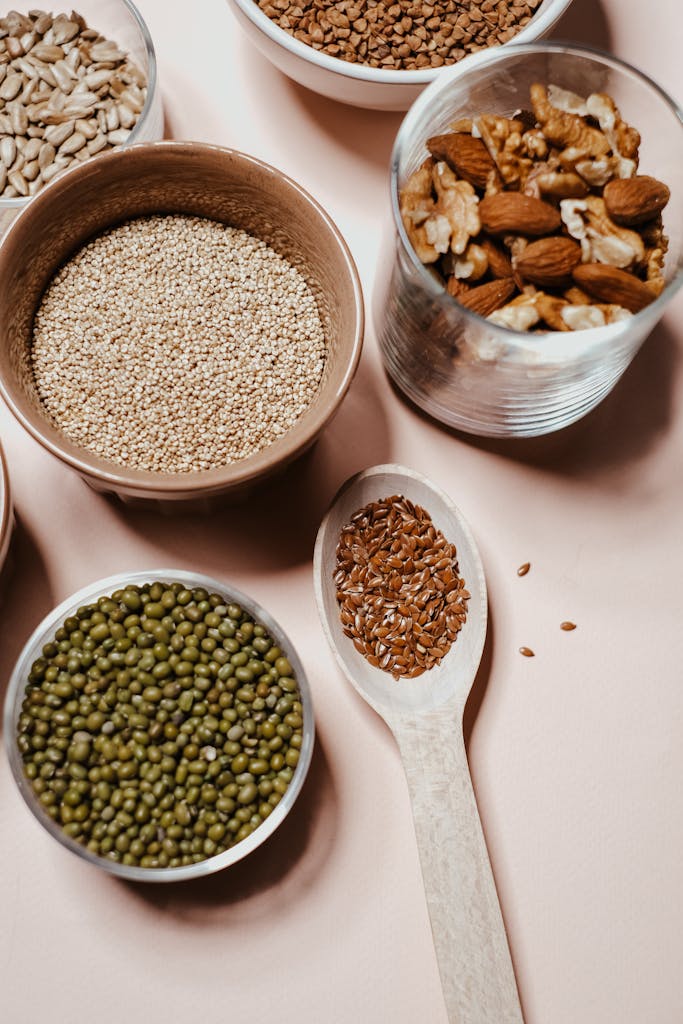
- Upgrade breakfast: Add berries, chia seeds, ground flaxseed, nuts, or whole-grain cereal to your morning meal.
- Make snacks count: Reach for fruit, vegetables, nuts, seeds, popcorn, or roasted chickpeas instead of low-fiber snack foods.
- Bulk up your meals: Stir extra veggies into sauces, soups, scrambled eggs, and casseroles.
- Check the label: Compare similar products and look for options with at least 3 grams of fiber per serving whenever possible.
High-fiber recipes

Tropical Overnight Oats with Pineapple and Coconut

Chickpea Cookie Cups

One-Pan Pesto Chickpea Rice Bake

Mediterranean Spinach and Feta Casserole

Avocado Quinoa Superfood Salad (Mendocino Farms Copycat)

Veggie Enchiladas with Sweet Potato, Black Beans, and Corn

Copycat In-N-Out Veggie Burgers

Indian-Inspired Burrito Bowls

One-Pot Creamy Veggie Pasta

Easy Avocado Chickpea Toast
When to see a doctor
Occasional digestive changes are common, but ongoing symptoms shouldn’t automatically be blamed on a lack of fiber. Check in with a healthcare professional if constipation, straining, bloating, or changes in your bowel habits don’t improve or regularly interfere with your daily life.
Seek medical attention promptly if you notice blood in your stool, rectal bleeding, persistent or severe abdominal pain, vomiting, fever, unexplained weight loss, or an inability to pass gas. These warning signs could point to an underlying condition that needs proper evaluation.
FAQ
More fiber articles

Fibermaxxing: A Dietitian’s Guide to Eating More Fiber
Dietary Fiber 101: Benefits of Fiber, Food Sources, and How Much You Need

How to Eat 30 Grams of Fiber a Day (Sample Meal Plan)

12 Best High-Protein, High-Fiber Foods for Weight Loss and Energy

How to Eat More Fiber Without Bloating: 10 Dietitian-Approved Tips
Conclusion
Not getting enough fiber can show up in some surprisingly sneaky ways, from lingering hunger and midday energy crashes to irregular bathroom habits and creeping cholesterol levels.
Luckily, even small changes can stack up fast, whether you toss beans into a salad, switch to whole grains, or give your breakfast a boost with berries and chia seeds.
Remember to increase your intake gradually, stay hydrated, and talk with your doctor if something still doesn’t feel right.