Hungryroot Review: I Tried It to See If It’s Worth the Hype
Quick summary
If you’ve spent any amount of time online lately, there’s a good chance you’ve seen an ad for Hungryroot. I certainly had. Yet despite seeing it everywhere, I was never totally sure what it actually was. A meal kit? Grocery delivery? Prepared meals? As it turns out, it’s a little bit of all three!
As someone who loves cooking but definitely doesn’t love figuring out what to make for dinner every night, I was curious to see whether Hungryroot could actually make life any easier. I also wanted to know how it compared with other meal delivery services I’ve tried, especially when it comes to convenience, nutrition, taste, and value.
For this Hungryroot review, I ordered five meals from their menu and put the service to the test. Below, I’m breaking down exactly how it works, what it costs, what I liked (and didn’t), and whether Hungryroot is actually worth it.
A quick note
I personally buy all meal kits I review so I can give you my 100% honest, unbiased feedback. If I’m ever sent something to test from a company, I’ll always disclose it, but I’ll still give my honest thoughts regardless.
If you enjoyed this review, I’d really appreciate your support by following along on social media or signing up for my monthly email list. Thanks for being here!
What is Hungryroot?
Hungryroot is a grocery delivery service aimed at making meal planning and cooking easier. Unlike traditional meal kits that send pre-portioned ingredients for specific recipes, Hungryroot combines the convenience of a meal kit with the flexibility of an online grocery store.
After signing up, you complete a short quiz about your dietary preferences, household size, and eating habits. Hungryroot then recommends a weekly selection of groceries and simple recipes based on your preferences.
You can stick with these recommendations or customize your cart by swapping items and choosing from a wide range of proteins, produce, grains, sauces, snacks, breakfast foods, and more.
Most Hungryroot recipes rely on a handful of ready-to-use or partially prepared ingredients, which helps keep prep and cooking time to a minimum. The service also caters to several eating patterns and food preferences, including vegetarian, vegan, pescatarian, gluten-free, and dairy-free diets.
How it works
Hungryroot is pretty simple and straightforward.
It starts with a quick online quiz, which asks questions about your dietary preferences, how many people you’re feeding, your typical eating habits, and what kinds of foods you enjoy.
You’ll also decide how many meals and servings you want each week, along with the number of breakfast, lunch, snack, or sweet options you’d like to include.
Hungryroot is different from other meal delivery services because it uses a credit system. Your subscription comes with a certain number of credits each week, which you can spend on recipes or individual groceries. Different items require a different number of credits, giving you some flexibility in how you use your weekly allowance.
Hungryroot automatically fills your cart with recommendations based on your preferences, but you’re free to switch things up. You can swap recipes, remove items, or browse the grocery section and pick out your own favorites.
After finalizing your menu, you can pick your preferred delivery date. Your groceries arrive directly at your doorstep, so there’s no need to make an extra trip to the store.
Most recipes combine a few ready-to-use ingredients and require minimal prep, making it easy to get a meal on the table without spending all evening in the kitchen.
Your selections will refresh each week, but you’re not locked into what Hungryroot chooses for you. You can always edit your order, skip a delivery, or adjust your preferences as needed.
Because it’s a weekly subscription, a new order is scheduled automatically unless you make changes or skip the week.
Menu options
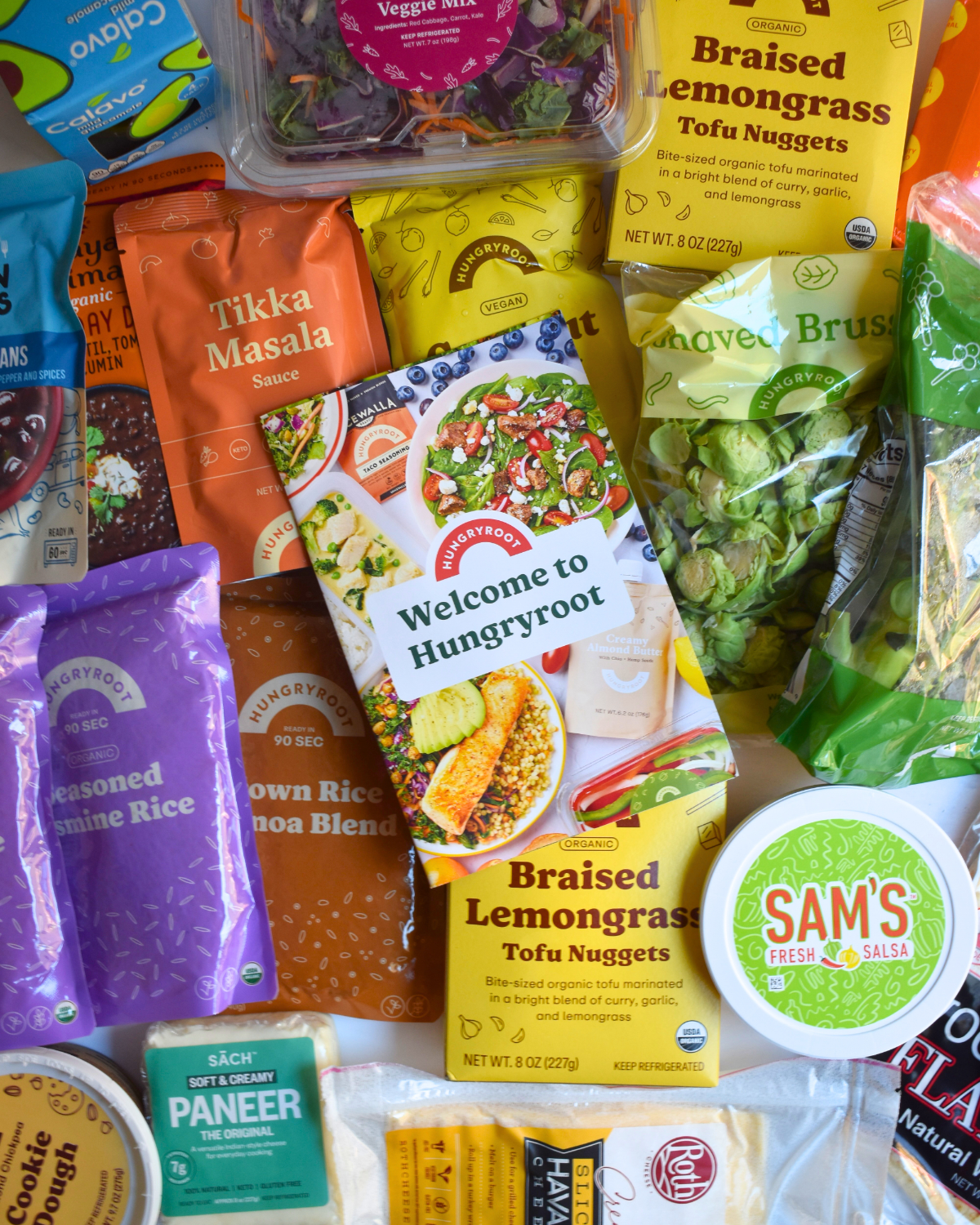
One of Hungryroot’s biggest selling points is variety. Rather than offering a small, fixed menu of meal kits each week, Hungryroot lets you choose from a pretty extensive lineup of recipes and mix-and-match groceries. In fact, according to its website, it offers over 11,000 different items in their catalog.
Recipes are divided into a variety of different categories, including:
- Breakfast
- Lunch
- Kids Meals
- Family Meals
- Tacos
- Stir-Fries
- Bakes
- Pastas
- Pizza
- Main + Sides
- Burgers
- Bowls
- Salads
- Sandwiches
- Soups + Stews
- Wraps
- Starters + Sides
There are also lots of ways to narrow things down, which is especially handy when scrolling through such a long list of options. You can filter the full menu by the number of servings, spice level, cook time, cooking appliances, nutritional value, and protein source.
A few examples of recipes on the menu include:
- Buffalo Chicken + Blue Cheese Flatbread
- Sweet Potato Veggie Burger Kale Salad
- Oven Roasted Wild Salmon with Garlicky Potatoes + Asparagus
- Savory Ranch Pork Chops + Herbed Potatoes with Broccoli Florets
- 5-Minute Teriyaki Tofu + Seasoned Jasmine Rice
- Summertime Salsa Shrimp Tacos with Zucchini
They also offer a wide range of prepared meals and grocery items, including grain pouches, cereals, meats, snacks, sauces, and sweets, among many others.
Nutritional value
Nutritionally, Hungryroot offers a pretty wide range of options, so there’s room to tailor your order based on your goals. The service labels certain recipes according to specific nutrition criteria, including:
- <500 Calories
- 500-650 Calories
- Carb Conscious (30 grams or less)
- Less Sugar (less than 4 grams)
- High Protein (at least 25 grams)
- Less Sodium (less than 500 milligrams)
- Anti-Inflammatory
- High Fiber
These filters can be helpful if you’re looking for something specific, such as a higher-protein dinner or a lower-sodium option. Hungryroot also provides nutrition information for its recipes, making it relatively easy to compare your choices.
That said, the nutritional value of Hungryroot really depends on what you order.
Some meals offer a nice balance of protein, fiber, healthy fats, and vegetables, while others can be heavier in calories, carbs, added sugar, fat, or sodium. In other words, the service itself isn’t inherently healthy or unhealthy, as there’s quite a bit of variation across the menu.
It’s also worth keeping in mind that convenience is a big part of Hungryroot’s appeal, which means most meals rely on ingredients that have already undergone some degree of processing.
In fact, pre-cooked grains and proteins, prepared sauces and dressings, and other ready-to-use components are included in pretty much every meal across the menu.
That’s not necessarily a bad thing, but it does mean Hungryroot is a little different from cooking a meal completely from scratch using mostly whole foods or fully fresh ingredients.
Cost
Hungryroot’s pricing works a little differently than most meal delivery services because it uses a credit-based system. Depending on your plan, credits work out to roughly $2-$2.50 each, and your weekly subscription includes a set number of credits that you can use toward different recipes and grocery items.
Different foods require different numbers of credits, so your weekly cost ultimately depends on the plan you choose, how you use your credits, and whether you choose to purchase any add-on credits.
Even though this can be a little confusing at first, it does give you some flexibility to mix and match meals, snacks, breakfast foods, and individual groceries rather than committing to a set number of traditional meal kits.
To give you an idea of what that looks like in practice, most two-serving dinner recipes cost around 9-12 credits, or roughly $9-$15 per serving.
Hungryroot also includes a free add-on item with each delivery, with options such as snacks or other grocery staples. New customers can also usually take advantage of a promotional discount on their first orders, which can make the initial cost a bit easier to swallow.
As for shipping, orders under $70 have a $6.99 shipping fee, whereas all orders of $70 or more ship for free.
At the end of the day, Hungryroot definitely isn’t the cheapest way to buy groceries, especially compared with shopping and cooking from scratch. That said, you’re paying a little extra for the convenience of having groceries selected, partially prepped, and delivered, along with recipes that take a lot of the planning out of the equation.
Stay in the loop!
Healthy eating tips & recipes delivered directly to your inbox
My honest review
I’d seen Hungryroot ads pretty much everywhere, so naturally, I was curious about all the hype.
Even after seeing it pop up over and over again, though, I’d never totally understood what Hungryroot actually was or how it differed from all the other meal kits and grocery delivery services out there.
So, I decided to test it out for myself. I picked out five different meals for my first order, including:
- Tandoori-Style Paneer Pizza
- Black Bean Taco in a Bowl with Seasoned Jasmine Rice
- Tofu + Sweet Baby Broccoli Black Lentil Dal Bowl
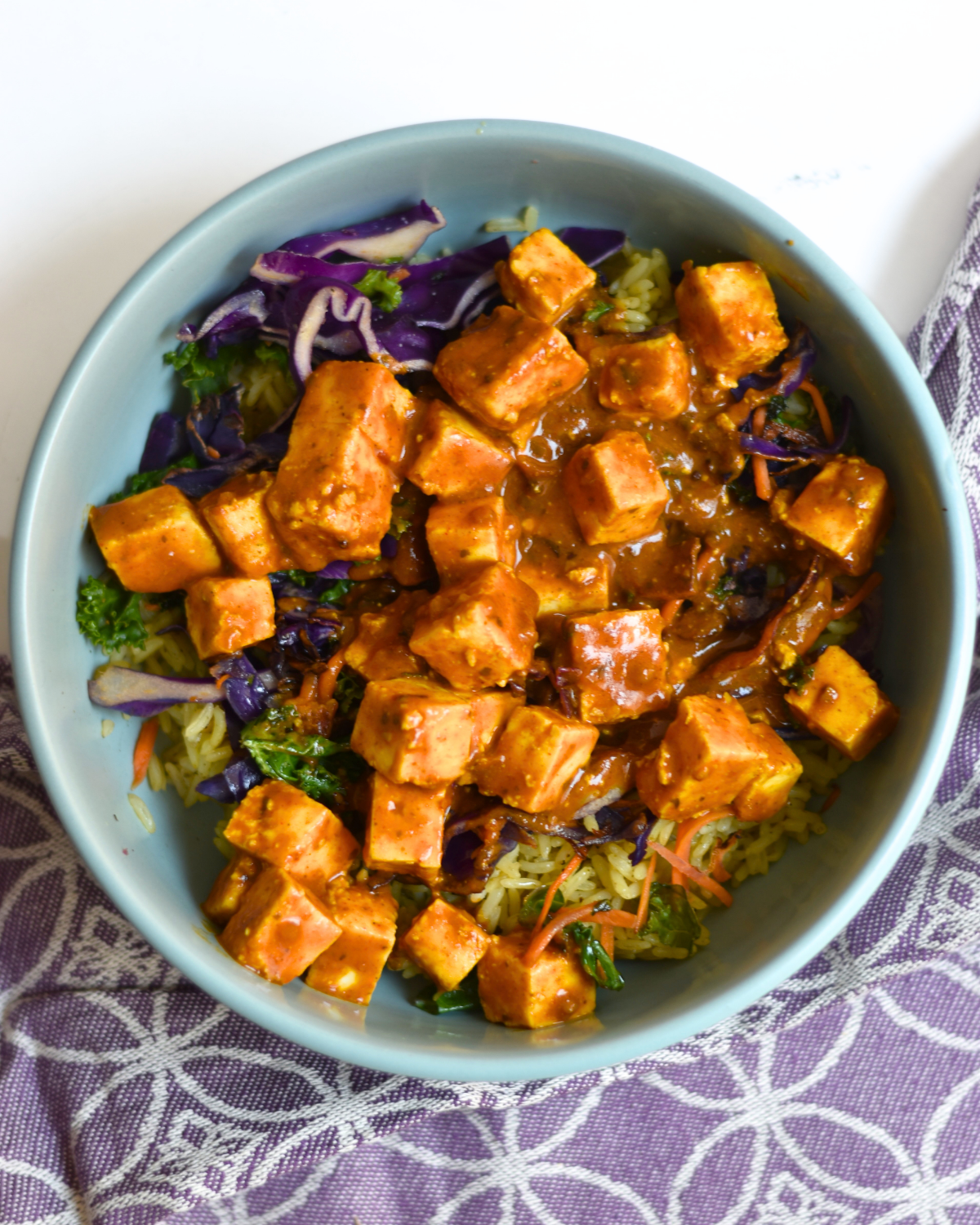
- Soft & Creamy Paneer Tikka Masala with Jasmine Rice + Rainbow Veggies
- Coconut Curry Tofu + Brussels Stir-Fry
I also got a free item with my order and went with the Almond Chickpea Cookie Dough (because obviously I wasn’t going to turn down free cookie dough).
After cooking my way through all five meals, I paid close attention to the taste, portion sizes, ease of preparation, ingredient quality, and overall value.
Here’s my honest review of Hungryroot and whether I think it’s actually worth trying.
Preparation
If there’s one area where Hungryroot really shines, it’s convenience. Every meal I tried was extremely easy to prepare, with estimated cook times ranging from just 7 to 12 minutes.
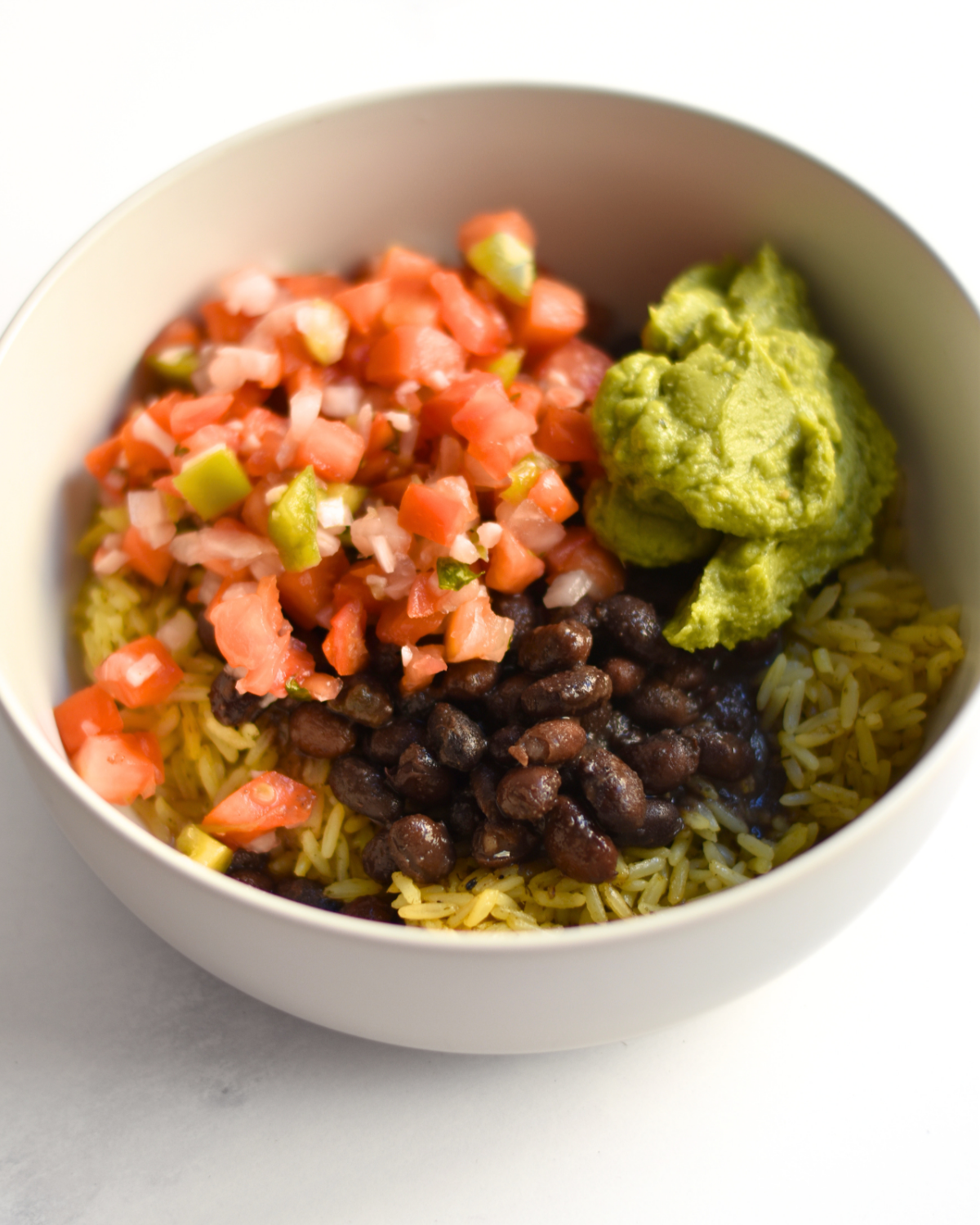
The Black Bean Taco in a Bowl was probably the simplest: I literally just heated the rice, warmed up a pouch of seasoned black beans, and threw it all together in a bowl with a scoop of salsa and guacamole. That was pretty much it.
Even the most “involved” recipe (the Tandoori-Style Paneer Pizza) was incredibly straightforward. I cooked the paneer, added the sauce, spread everything onto a flatbread, and popped it in the oven.
Overall, the meals were pretty foolproof. There was no chopping or measuring required and very little actual cooking, making Hungryroot especially appealing for busy weeknights when you want a homemade-ish meal without doing much work.
Taste
I was really impressed with the taste of the meals I tried, especially considering how simple they were. The sauces were especially good and packed in plenty of flavor, which helped make such basic meals feel a lot more exciting.
The one exception was the Black Bean Taco in a Bowl, which I found pretty lackluster compared with the rest. It wasn’t bad, but it was a little meh and didn’t have quite as much going on flavor-wise.
My favorite was the Soft & Creamy Paneer Tikka Masala with Jasmine Rice + Rainbow Veggies. The combination sounded a little unusual at first, but it turned out to be surprisingly delicious. In close second was the Coconut Curry Tofu + Brussels Stir-Fry, which felt balanced, flavorful, and satisfying.
Honorable mention goes to the Almond Chickpea Cookie Dough, which I worked through faster than I’d care to admit and which made me almost consider keeping my subscription.
Ultimately, four out of the five meals (and my free snack) were all a hit for me, and I was pleasantly surprised by just how good everything tasted given how little effort went into making it.
Would I recommend it?
I think Hungryroot could be a good option for some people, especially if convenience is one of your top priorities.
To me, it falls somewhere between a traditional meal kit like HelloFresh, Sunbasket, or Green Chef and a fully prepared meal delivery service. You still assemble and cook the meals yourself, but most of the heavy lifting has already been done for you.
That said, Hungryroot probably isn’t the best fit if you’re trying to limit processed ingredients or want a meal kit that will actually help you build up your cooking skills.
Because so many components come pre-cooked or prepared, there’s not much chopping, measuring, or cooking from scratch.
However, if you’re short on time and want something that’s almost as easy as heating up a prepared meal while still feeling a little more like you cooked dinner yourself, Hungryroot hits a nice sweet spot.
The meals I tried were convenient, delicious, and incredibly easy to prepare, and there are plenty of nutritious, well-balanced options to choose from.
Who should try Hungryroot?
Hungryroot won’t be the perfect fit for everyone, but I think it fills a really useful gap between traditional meal kits and fully prepared meals. It’s especially appealing if your main dinner struggle is actually finding the time and energy to cook every night.
In my opinion, Hungryroot could be a good fit if you:
- have a busy schedule and want dinner on the table in about 10-15 minutes
- want something more hands-on than a microwaveable prepared meal without cooking completely from scratch
- dislike meal planning, grocery shopping, or chopping and prepping ingredients
- like having plenty of options and the flexibility to customize your weekly order
- have specific dietary preferences and want an easy way to filter your choices
- want convenient meals that can still include plenty of protein, fiber, and vegetables
On the flip side, I think you should probably skip it if you:
- prefer cooking primarily with whole, minimally processed ingredients
- enjoy cooking from scratch and don’t mind spending more time in the kitchen
- want a meal kit that teaches you new cooking techniques or helps you become a better cook
- are on a tight grocery budget, as you’ll generally pay a premium for the convenience
- prefer fully prepared meals that require nothing more than reheating
Pros and cons
Hungryroot definitely won me over in a few areas, but there were also some things I wasn’t quite as sold on. Here are the biggest pros and cons of Hungryroot, from my own experience.
Pros:
- Incredibly convenient: Most meals take around 10 minutes and require minimal chopping, measuring, or cleanup.
- Lots of variety: There’s a wide selection of meals, groceries, snacks, and other add-ons to choose from each week.
- Easy to customize: You can swap out Hungryroot’s recommendations and choose exactly how you want to spend your weekly credits.
- Plenty of nutritious options: Filters make it easy to find meals that are higher in protein or fiber, lower in sodium, or within a certain calorie range.
- Great flavor: Almost everything I tried was delicious, and the sauces in particular were a major highlight.
- Accommodates many dietary preferences: There are options for a range of dietary needs and eating styles.
Cons:
- More expensive than grocery shopping: You’re definitely paying extra for the convenience of having everything prepped and delivered.
- Relies heavily on prepared ingredients: Most meals combine pre-cooked grains, sauces, seasoned proteins, and other processed components.
- Not much actual cooking involved: If you enjoy cooking from scratch or want to build your skills in the kitchen, you might find the recipes a little too simple.
- Some meals are better than others: I loved most of what I tried, but a few options can feel pretty basic for the price.
- The credit system can be confusing: It takes a little getting used to compared with simply seeing a price attached to every meal.
Comparison with competitors
Hungryroot is a bit different from most other meal kits on the market, especially in terms of the cook time and amount of prep required. Here’s a quick breakdown of how it stacks up against competitors.
| Hungryroot | HelloFresh | Green Chef | Sunbasket | Factor | |
|---|---|---|---|---|---|
| Type | Grocery delivery + meal kit | Traditional meal kit | Traditional meal kit | Meal kit + prepared meals | Fully prepared meals |
| Price | $2-$2.50 per credit (or around $9-$15 per serving) | $10-$13 per serving | $13 per serving | $10-$14+ per serving | $12-$16.50 per serving |
| Prep required | Very little | Moderate | Moderate | Varies | None |
| Typical cook time | ~7–15 min | ~20–40 min | ~20–40 min | ~5–40 min | ~2 min |
| Best for | Flexibility + convenience | Approachable home cooking | Health-conscious meal kits | Variety + healthy options | Heat-and-eat convenience |
FAQ
More meal kit reviews
HelloFresh Review: Is It Worth It? A Dietitian Answers
Splendid Spoon Review 2026: Is This Plant-Based Meal Delivery Worth It?
Green Chef Review 2026: I Tried It for a Week & Here’s My Honest Take
Thistle Review (2026): A Dietitian’s Honest Take on Taste, Nutrition, and Cost
Sunbasket Review 2026: What I Loved (and Didn’t) as a Dietitian
Purple Carrot Review 2026: My Honest Take After Trying It for a Week

Blue Apron Review: A Dietitian’s Look at This Popular Meal Kit Service
Conclusion
Overall, I was pleasantly surprised by Hungryroot and can definitely see why it’s become so popular. The meals I tried were incredibly quick and easy, and (for the most part) really delicious, too.
While it may not be the best choice if you’re on a tight budget or prefer cooking from scratch, I think it could be a good option for anyone who wants flavorful meals without spending much time in the kitchen.