Omega-3 Foods for Brain Health and Heart Health: Top Sources and Benefits
Quick summary
Omega-3 fatty acids do a lot of heavy lifting behind the scenes in your body, especially when it comes to your brain and heart.
These healthy fats form the building blocks of your cell membranes, help your brain cells send signals, and even ease inflammation, which is linked to everything from cognitive decline to heart disease (and so much more!). It’s no wonder omega-3 foods for brain health have become such a big focus in nutrition research.
In this guide, we’ll break down the best omega-3 foods, how much you actually need, and a few simple ways to boost your intake.
What are omega-3 fatty acids?
Omega-3 fatty acids are a group of healthy fats that play a major role in everything from brain function to heart health.
Unlike some nutrients your body can make on its own, omega-3s are actually considered “essential fats,” meaning you need to get them through foods.
Omega-3s build cell membranes, facilitate communication between your brain cells, and help regulate inflammation throughout your body. That’s a big deal, considering chronic inflammation is linked to conditions like heart disease, cognitive decline, and metabolic disorders, among others.
There are three main types of omega-3s, including:
- alpha-linolenic acid (ALA)
- eicosapentaenoic acid (EPA)
- docosahexaenoic acid (DHA)
ALA is found primarily in plant foods, whereas EPA and DHA are found in fatty fish, seafood, and certain types of seaweed and algae.
Even though your body can convert a small amount of ALA into EPA and DHA, the process is pretty inefficient (less than 15% is actually converted!), which is why foods rich in EPA and DHA are often emphasized for brain and heart health.
Benefits of omega-3s
Omega-3 fatty acids play a key role in just about every process throughout your body. Research shows that regularly eating omega-3-rich foods offers benefits at nearly every stage of life, which is one reason they’re consistently linked to healthy aging and overall wellness.
Here are a few of the top benefits of omega-3 foods for brain health, heart health, and more:
- Promotes cognitive function: Omega-3s, especially DHA, are essential for brain structure and function. In fact, nearly 60% of your brain is made up of fat, and DHA makes up a large portion of those fats. Getting enough omega-3s may help support memory, focus, learning, and cognitive function as you age.
- Enhances heart health: Omega-3s are well-known for their heart-healthy benefits. Research suggests they can support healthy triglyceride levels, blood pressure, and blood vessel function, all of which are crucial for keeping your heart healthy and strong.
- Eases inflammation: Chronic inflammation has been linked to several health issues, including heart disease, diabetes, obesity, and even cancer. Omega-3s can help regulate inflammatory processes in the body, promoting overall health in the process.
- Supports eye health: DHA is a major structural fat found in the retina of your eye. Getting enough omega-3s in your daily diet can support healthy vision throughout life.
- May improve mental health: While more research is needed, some studies suggest omega-3s could help support emotional well-being and mood, likely because of their role in brain cell communication and nerve function.
- Promotes healthy aging: Regularly eating omega-3 foods for brain health can improve cognitive and cardiovascular function over time, both of which are key components of healthy aging.
- Supports joint health: Because omega-3s can help alleviate inflammation, they may also support joint comfort, flexibility, and mobility, especially as you get older.
Stay in the loop!
HEALTHY EATING TIPS & RECIPES delivered directly TO YOUR INBOX
Best omega-3 foods for brain and heart health
If you want to boost your omega-3 intake naturally, your best bet is to focus on whole foods that are rich in healthy fats.
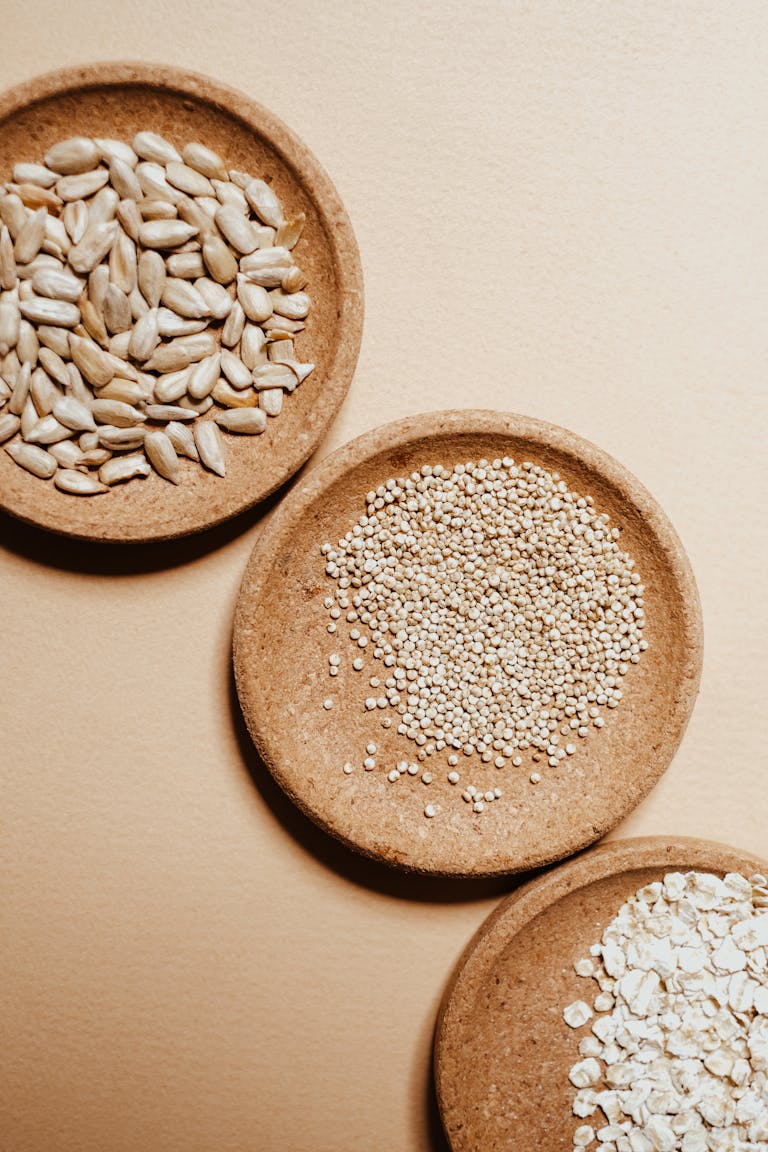
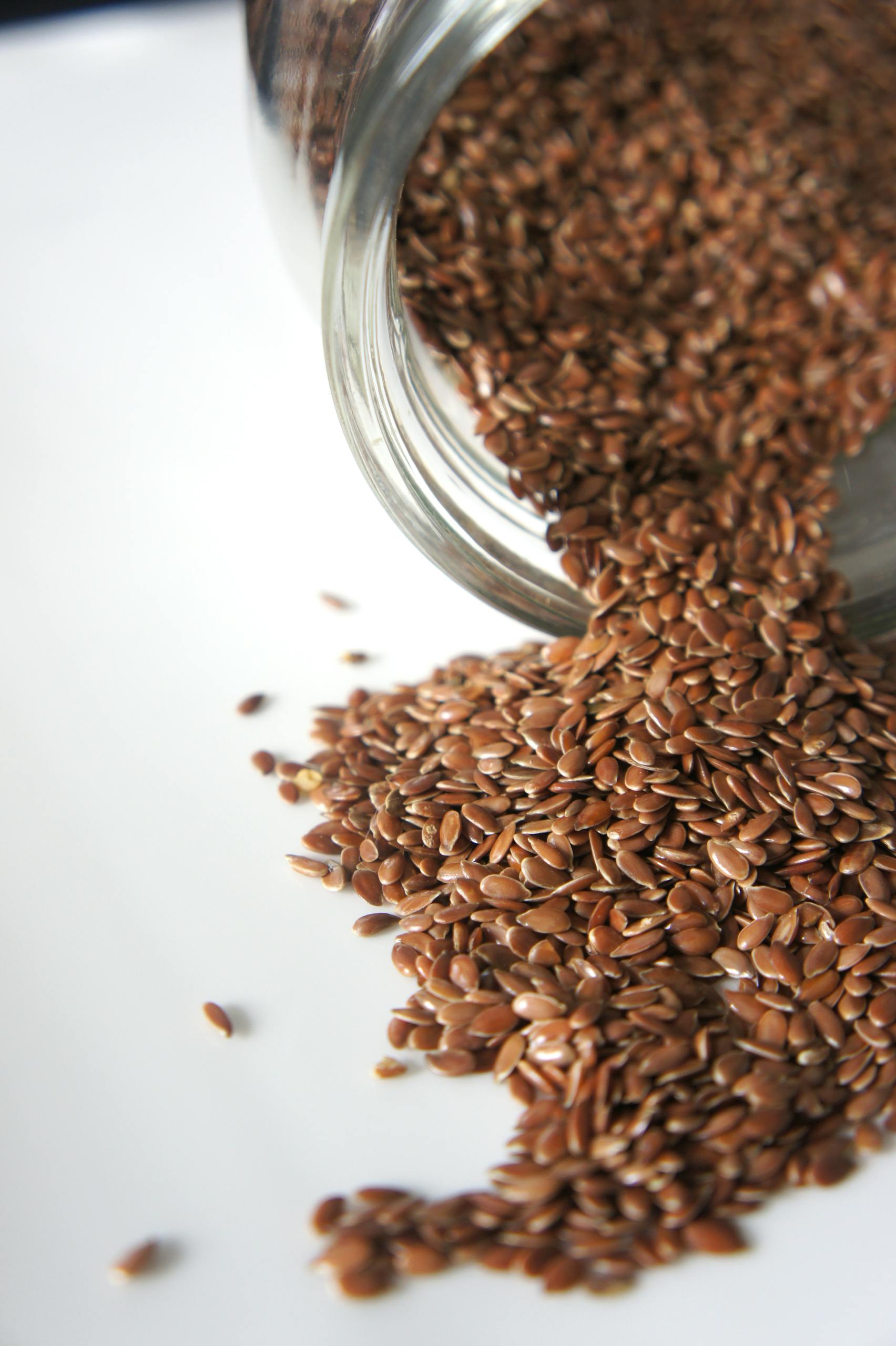
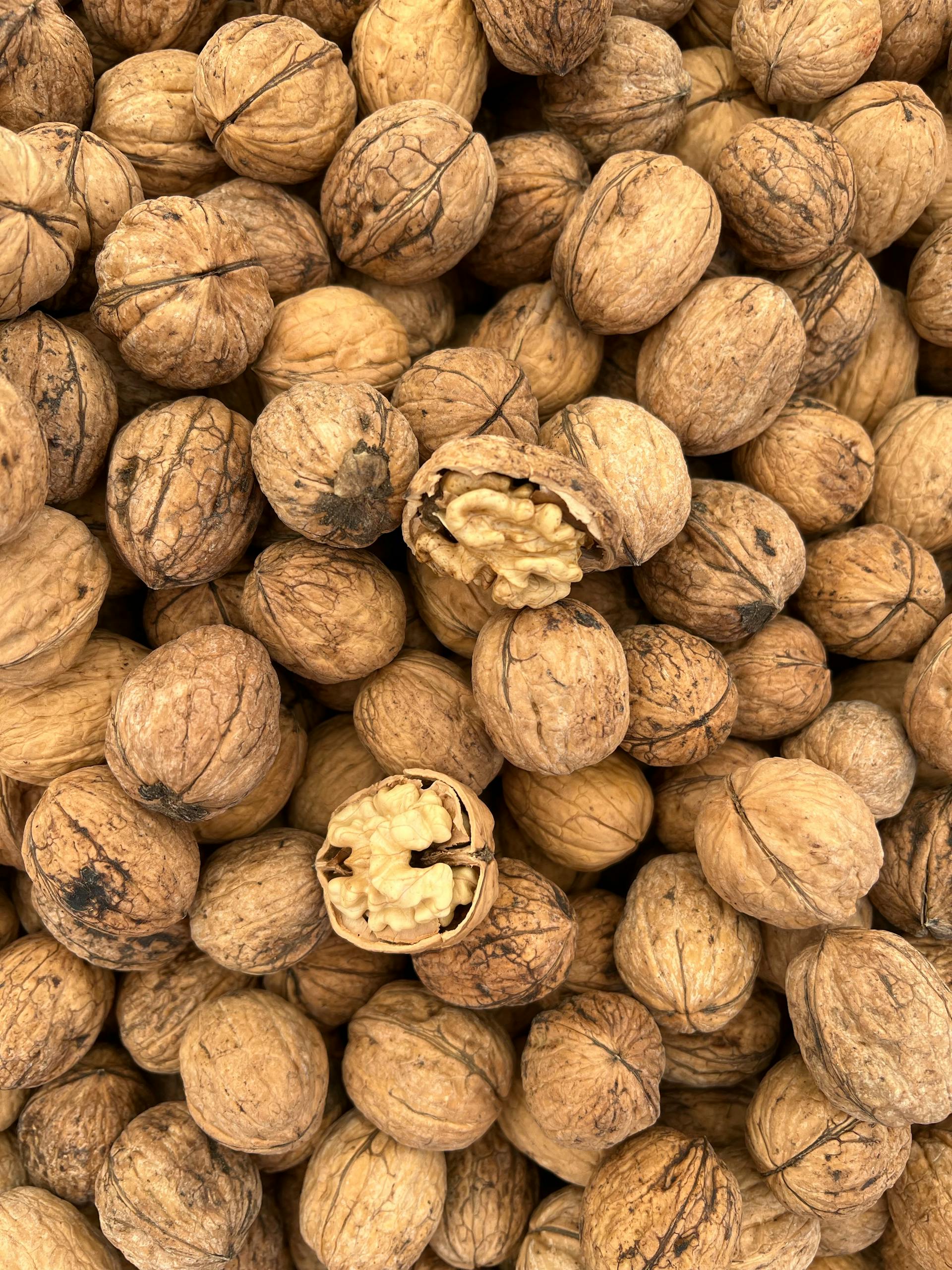
Fatty fish are the top source of EPA and DHA, the two omega-3s most strongly linked to brain and heart benefits. Plant-based foods like chia seeds, flaxseeds, walnuts, and hemp seeds also provide ALA, another important omega-3 fatty acid that can contribute to your overall intake.
Here are some of the best omega-3 foods for brain health and heart health to add to your routine.
Fatty fish
- salmon
- sardines
- mackerel
- anchovies
- herring
- trout
Nuts and seeds
- chia seeds
- flaxseeds
- walnuts
- hemp seeds
Seaweed and algae
- nori
- spirulina
- chlorella
- dried seaweed
- algae
Plant oils
- flaxseed oil
- soybean oil
- canola oil
- hemp seed oil
- chia seed oil
Fortified foods
Omega-3s may be added to certain brands of:
- eggs
- yogurt
- milk
- juice
- bread
- margarine
How much omega-3 do you need?
When it comes to omega-3s, there’s no one-size-fits-all recommendation for how much you need.
Current recommendations focus mainly on ALA, the plant-based form of omega-3. The adequate intake (AI) is set at about 1.1 grams per day for women and 1.6 grams per day for men.
That might sound easy to hit, but many people fall short, especially if foods like flaxseeds, walnuts, fatty fish, or chia seeds aren’t in their regular rotation.
For EPA and DHA, many health organizations recommend aiming for at least 250-500 milligrams per day combined.
This is roughly the amount found in two servings of fatty fish per week, which is why the American Heart Association often recommends making fish like salmon, sardines, trout, or mackerel a mainstay on your menu.
People who are pregnant, breastfeeding, older adults, or those with certain health conditions may also benefit from higher amounts, especially because DHA plays an important role in brain and eye development.


Ways to eat more omega-3 foods
Luckily, upping your intake of omega-3 foods doesn’t require forcing down canned sardines or eating salmon every single night. Instead, adding omega-3-rich foods into the meals and snacks you already enjoy can be a smarter (and much more enjoyable) strategy to make sure you’re meeting your needs.
Here are a few easy ways to eat more omega-3 foods for brain health:
- Add chia seeds or ground flaxseeds to smoothies, oatmeal, yogurt, or overnight oats.
- Sprinkle walnuts or hemp seeds onto salads, bowls, or roasted veggies for extra crunch.
- Aim to eat fatty fish at least twice per week.
- Use canned salmon or sardines for quick lunches, sandwiches, salads, or pasta dishes.
- Swap your usual snack for a handful of walnuts and fruit.
- Stir chia seeds into homemade energy bites, puddings, or pancake batter.
- Scramble a few eggs fortified with omega-3s for an easy breakfast upgrade.
- Blend hemp seeds into sauces, pesto, or smoothies.
Do you need an omega-3 supplement?
If you regularly eat fatty fish like salmon, sardines, or trout a couple of times per week (plus plant sources like chia seeds, flaxseeds, and walnuts), you may already be meeting your omega-3 needs. However, many people fall short, especially when EPA and DHA-rich foods aren’t a consistent part of their meal plan.
In that case, an omega-3 supplement can help fill the gap. This is especially relevant if you’re following a vegan or vegetarian diet or simply aren’t a big fan of fish. Fish oil, cod liver oil, and algae-based supplements can all be great options to increase your intake.
That said, supplements aren’t essential for everyone. If you’re already regularly eating omega-3 foods for brain health, you may not need one, but it’s always smart to check with a healthcare provider if you’re unsure.
FAQ
More helpful articles
Conclusion
Omega-3 fatty acids are one of the most important nutrients for both brain and heart health, and making more mindful choices about what you’re putting on your plate can help make sure you’re meeting your needs.
From fatty fish like salmon and sardines to plant-based options like chia seeds, flaxseeds, and walnuts, there are plenty of ways to boost your intake without overhauling your diet.
Prioritizing omega-3 foods for brain health regularly can help promote memory, focus, and long-term cognitive function, while also reducing inflammation to support heart health.