Are Ultra-Processed Foods Always Unhealthy?
Quick summary
Ultra-processed foods are everywhere, from quick breakfasts and snack bars to frozen meals and packaged treats. But even though they’re often labeled as unhealthy, the science is a little more complex. And while it’s true that many ultra-processed foods are lower in nutrients, that doesn’t mean you need to cut them out of your diet completely.
In this article, we’ll break down what ultra-processed foods actually are, whether they’re always unhealthy, and how to make more informed choices without feeling like you have to overhaul your eating pattern.
What are ultra-processed foods?
Ultra-processed foods are foods that have been heavily altered from their original form through industrial processing. They’re typically made with ingredients you wouldn’t usually find in your kitchen cabinets, like additives, preservatives, flavor enhancers, emulsifiers, and artificial colors or sweeteners.
This concept comes from the NOVA food classification system, which groups foods based on how much they’ve been processed.
Here’s a simple way to think about it:
- Minimally processed foods: whole foods like fruits, vegetables, eggs, and plain yogurt
- Processed foods: foods with only a few added ingredients, like canned beans or cheese
- Ultra-processed foods: products that are far removed from their original ingredients, often designed to be hyper-palatable and convenient
Examples of ultra-processed foods include packaged snack foods, sugary cereals, soda, frozen meals, and many store-bought baked goods.
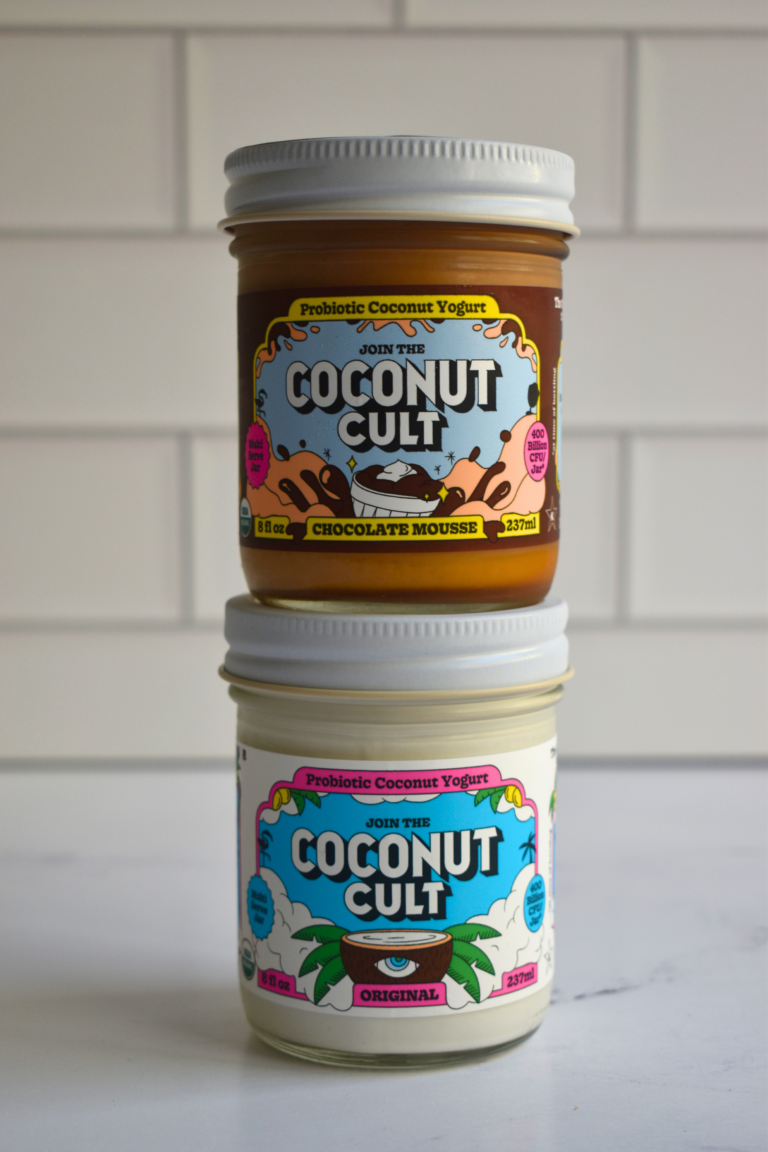
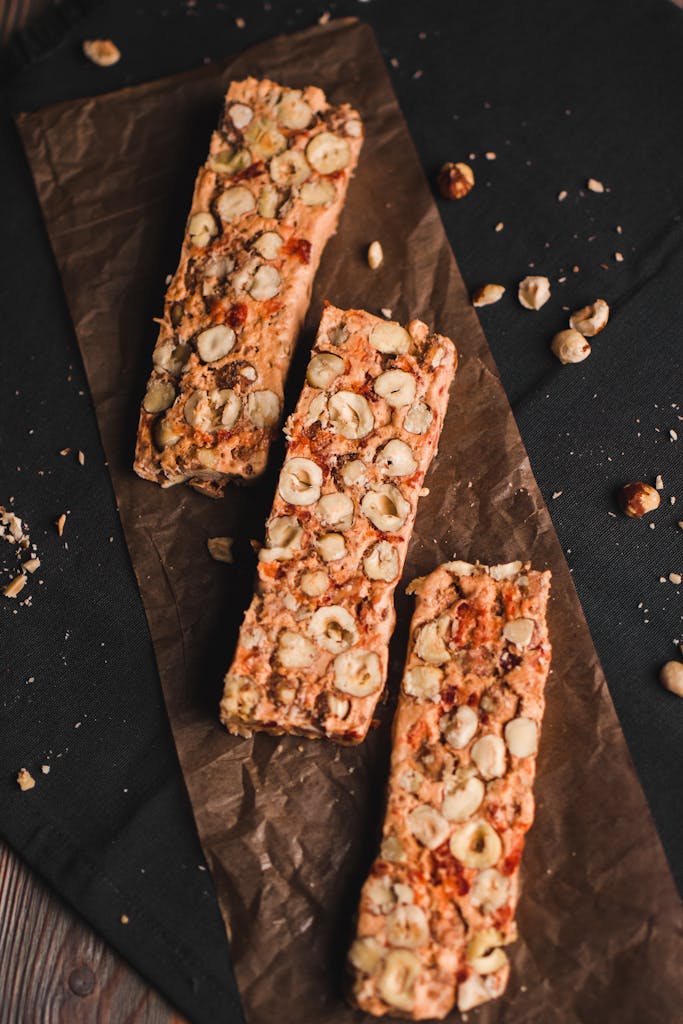
Believe it or not, some other items you might think of as “healthy” may fall into this category too, including certain protein bars, flavored yogurts, or plant-based meat alternatives.
That’s why ultra-processed foods can be a bit confusing. They’re not automatically unhealthy, but at the same time, you don’t want them to dominate your diet.
Are ultra-processed foods always unhealthy?
Even though ultra-processed foods often get a bad rap, the truth isn’t quite so black and white.
Some ultra-processed foods are lower in nutrients and higher in things like added sugars, sodium, and saturated fat.
Over time, a diet that’s heavily reliant on these types of foods (especially when nutrient-dense foods are out of the picture) can make it harder to meet your nutritional needs and have been linked to adverse effects on health.
But the important thing to remember is that not all ultra-processed foods are created equal.
Some can actually be helpful additions to your diet, especially when they’re high in protein or fiber or fortified with other essential nutrients you might be missing. Many ultra-processed foods can also be convenient options to help you squeeze in a quick meal or snack when life gets busy.
A protein bar with a short ingredient list and a solid nutrient profile, for example, may technically be considered ultra-processed, but that doesn’t make it inherently unhealthy. Instead, it could actually support your goals, especially if it helps you stay full and energized.
This is where the idea of balance becomes crucial. Rather than labeling foods as strictly “good” or “bad,” it’s better to consider your overall eating pattern instead.
Stay in the loop!
HEALTHY EATING TIPS & RECIPES delivered directly TO YOUR INBOX
Problems with ultra-processed foods
While ultra-processed foods aren’t necessarily off-limits, there are a few reasons they can be problematic, especially when they make up a large portion of your diet.
One of the biggest concerns is that many ultra-processed foods are high in added sugars, sodium, and unhealthy fats, plus low in fiber. This can make it easier to overeat without feeling full, especially since these foods are often engineered to be highly palatable.
Another issue is displacement, which is when ultra-processed foods take the place of more nutrient-dense options like fruits, vegetables, whole grains, and lean proteins. Over time, this can make it harder to meet your needs for essential nutrients like fiber, vitamins, and minerals.
Research has explored potential links between high intake of ultra-processed foods and negative health outcomes, but it’s important to note that this is often in the context of overall dietary patterns, not individual foods.
This is why dietitians (myself included!) often emphasize the importance of balance and moderation over demonizing specific foods or food groups.
Are there healthy ultra-processed foods?
Some ultra-processed foods can absolutely fit into a healthy diet. In fact, some are more nutrient-dense and can actually support your health goals.
For instance, some ultra-processed foods provide fiber and protein to help balance blood sugar levels or are fortified with specific nutrients that you might otherwise be missing out on, like vitamin D or calcium.
Some examples of healthier ultra-processed foods include:
- fortified plant-based milks
- whole-grain breads with added fiber
- certain protein powders or bars
- some breakfast cereals that are enriched with important vitamins and minerals
Even though these foods technically fall under the ultra-processed category, they can still be beneficial in moderation, especially when they complement a diet built around whole foods like fruits, vegetables, legumes, and whole grains.

How to choose better processed foods
There’s no need to avoid processed or ultra-processed foods altogether. Instead, focus on making smarter choices that support your health and round out your diet.
Start by looking at the nutrition label. Choose options that are higher in fiber and protein, which can increase feelings of fullness and keep blood sugar levels steady. At the same time, try to limit foods that are very high in added sugars, sodium, and saturated fats, especially if they make up a large portion of your diet.
Next, take a quick glance at the ingredient list. While a long list doesn’t automatically mean a food is unhealthy, it can be helpful to look for ingredients you recognize and limit foods packed with added sugars, artificial ingredients, and other additives.
It also helps to think about balance and pairing. If you’re choosing a processed item, try pairing it with whole foods to improve the nutritional value of your meal or snack. Some examples include:
- crackers with hummus and veggies
- cereal with milk and bananas
- a protein bar with a piece of fruit
At the end of the day, remember to focus on the big picture. A few ultra-processed foods in your diet here and there aren’t likely to be harmful, as long as you’re prioritizing nutrient-dense ingredients and a balanced diet otherwise.
Dietitian tips
Instead of labeling foods as “good” or “bad,” it’s more helpful to focus on making more balanced choices. A few quick tips:
- build meals around whole, nutrient-dense foods whenever possible
- use processed foods to support your lifestyle, not replace your nutrition
- look for options with protein and fiber to help keep you feeling full
- focus on progress, not perfection
FAQ
More nutrition myths debunked
Do GLP-1s Cause Muscle Loss? Here’s What Research Says
Is Soy Bad for You? What the Research Really Says
Do You Need a Multivitamin Every Day? What the Science Shows
Is Snacking Bad for Metabolism? A Dietitian Explains the Truth

Does Vitamin C Help Colds? What the Science Actually Says

10 Common Healthy Eating Myths That Aren’t Actually True
Is Starvation Mode Real? Here’s What You Need to Know
Conclusion
Ultra-processed foods aren’t inherently good or bad, and what matters most is the overall quality of your diet and how these foods fit into it. And while some ultra-processed options can be lower in nutrients, others can provide convenience and essential nutrients, like protein, fiber, vitamins, and minerals.
Instead of shooting for perfection, focus on balance: build your meals around nutritious foods, and use processed options in a way that works for your lifestyle.