Top 6 Healthy Fats, Plus Recipes and Fats to Avoid
Quick summary
Healthy fats are a key component of any balanced diet. They help your cells grow, improve nutrient absorption, and provide steady, long-lasting energy.
That said, not all fats are created equal. While some have been tied to serious health perks, others can increase inflammation, raise cholesterol, and even contribute to chronic disease over time.
In this article, we’ll break down the top 6 healthy fats you should be eating, along with which you might want to limit or avoid.

What are healthy fats?
There are several different types of fat, each of which varies based on its chemical composition and structure.
Some types of fat can ramp up inflammation, increase cholesterol levels, and contribute to the development of many chronic conditions, like heart disease.
On the other hand, certain types of fat can actually reduce inflammation and protect against disease.
Unsaturated fats
Unsaturated fats are a type of fat that contain at least one double bond in their hydrocarbon chain. Depending on their specific structure, these fats can be categorized as either monounsaturated or polyunsaturated.
Both mono- and polyunsaturated fats are considered healthy types of fat and are generally found in foods like:
- fatty fish
- nuts
- seeds
- oils
Saturated fats
Unlike unsaturated fats, saturated fats don’t contain any double bonds.
They are found in animal sources such as:
- meat
- dairy products
- coconut oil
- palm oil
Although saturated fats have long been a subject of controversy, research generally shows that they are not directly tied to a higher risk of heart disease or stroke.
That being said, they have been linked to increased cholesterol levels, a risk factor for heart disease.
In general, it’s a good idea to limit your intake of saturated fats and opt for unsaturated fats instead.
Top 6 healthy fat foods
Ready to upgrade your meals with good-for-you fats? Here are a few options to consider.
1. Avocados
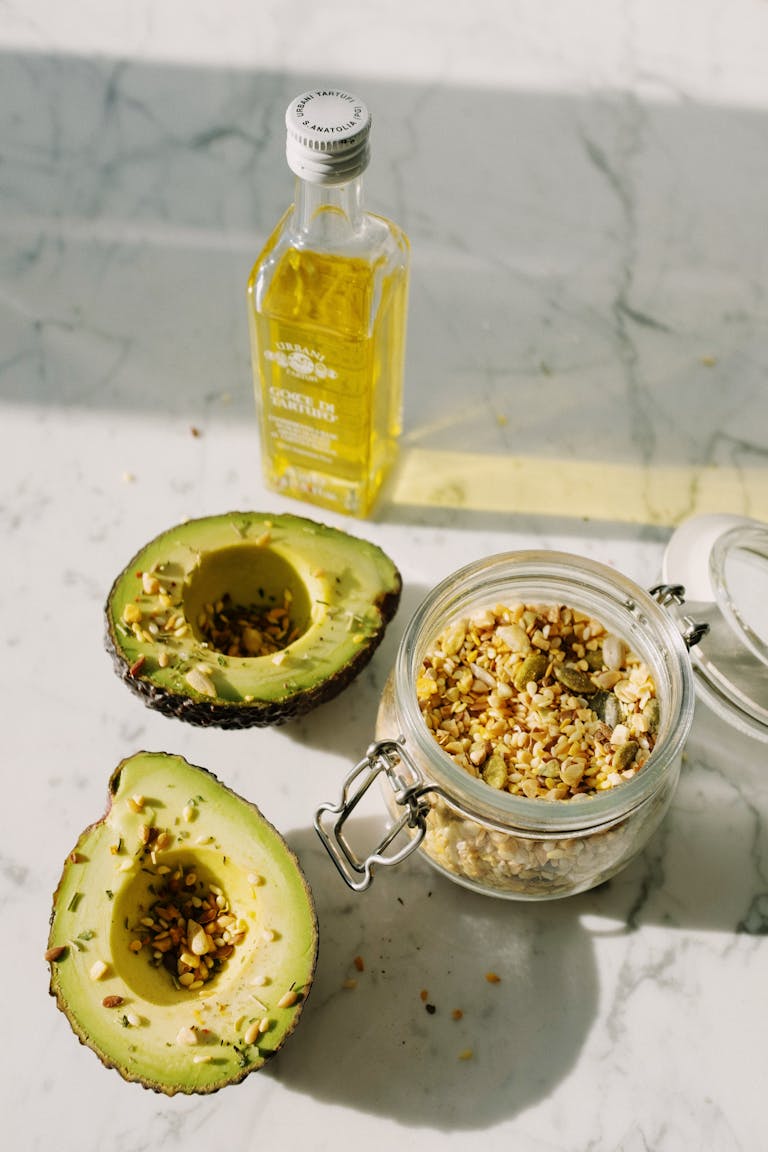
With 22 grams of fat packed into a single one-cup serving, avocados are definitely one of the top monounsaturated fat foods.
In addition to providing a hearty dose of healthy fats, avocados are also brimming with fiber, potassium, and vitamin C.
Plus, several studies have examined the health benefits of avocado, reporting that this powerful fruit could even reduce cholesterol and triglyceride levels, two risk factors for heart disease.
2. Olive oil
Olive oil is brimming with monounsaturated fatty acids, a type of fat that’s been linked to a long list of potential health benefits.
In fact, studies show that olive oil could help ease inflammation, decrease oxidative stress, and lower several risk factors for heart disease.
What’s more, olive oil is also one of the most versatile healthy fats you can add to your diet; try drizzling it over cooked vegetables, mixing it into salad dressings, or swapping it in for your favorite cooking oil.
3. Coconut oil
Even though saturated fats have gotten a bad rap over the years, certain types — like coconut oil— might actually be beneficial.
This is because coconut oil is high in medium-chain triglycerides (MCTs), a type of fatty acid that can be converted into a quick source of energy for the body.
Coconut oil has also been associated with a long list of benefits, including better brain function, increased weight loss, and improved levels of HDL (good) cholesterol.
4. Salmon
If you eat fish, sticking to fatty varieties like salmon is a smart way to squeeze more heart-healthy fats into your diet.
Salmon is an excellent source of omega-3 fatty acids, a type of heart-healthy fat that plays a key role in heart health and inflammation.
Interestingly enough, some research even shows that including salmon in your diet could be tied to a lower risk of heart disease in certain populations.
5. Chia seeds
Rich in fiber, protein, and a wealth of essential nutrients, chia seeds are well-known for their superfood status. But did you know that chia seeds are also one of the top polyunsaturated fat foods?
Each serving of chia seeds provides nearly 7 grams of polyunsaturated fatty acids, plus a hearty dose of omega-3s.
Studies in both humans and animals show that chia seeds could reduce several risk factors for heart disease and decrease belly fat.
6. Almonds
Almonds are a popular variety of tree nut that boast a pretty impressive nutrient profile.
In addition to offering a good amount of fiber, protein, vitamin E, and manganese, each serving of almonds is also high in monounsaturated fatty acids.
According to one small study in people with prediabetes, eating about 2 ounces of almonds per day for 16 weeks led to significant improvements in insulin sensitivity and LDL (bad) cholesterol levels, both of which are risk factors for heart disease.
Healthy fat recipes
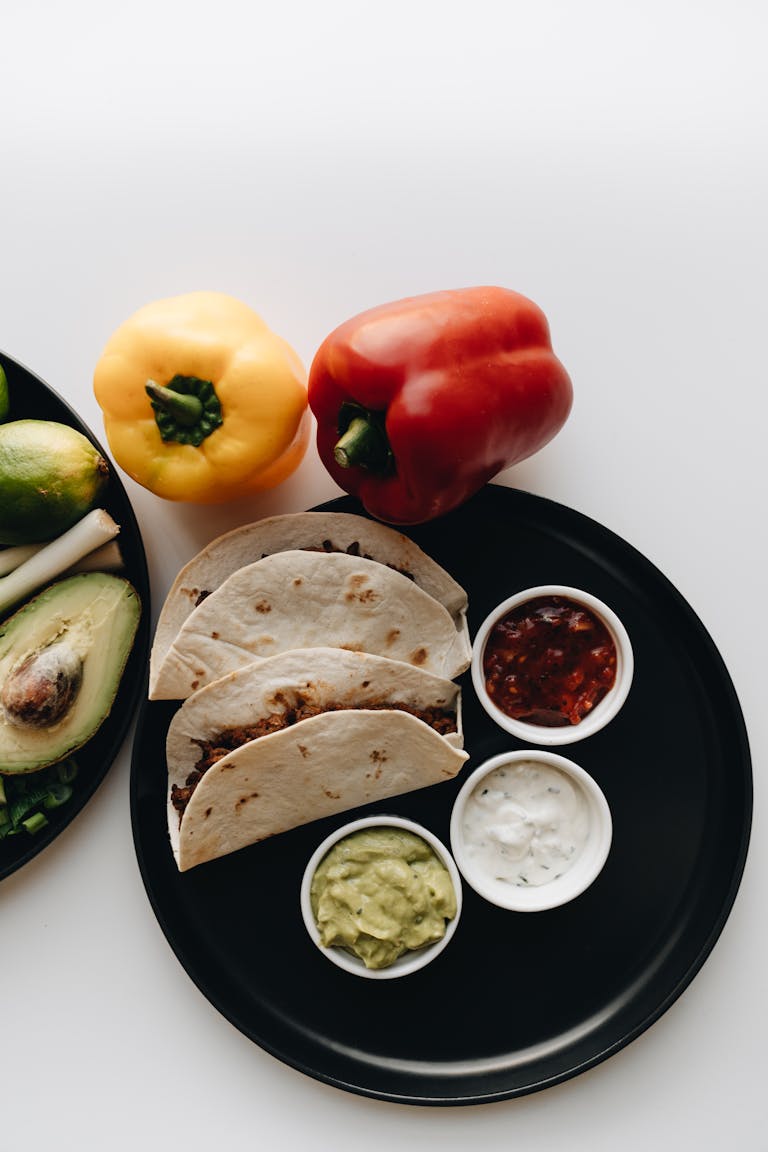
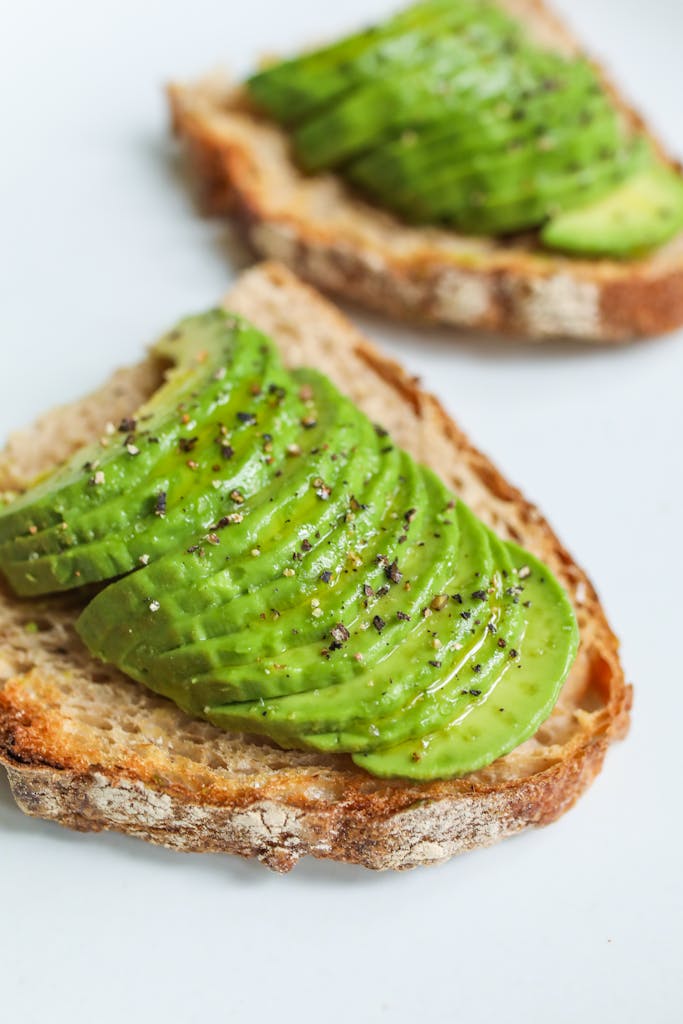
There are plenty of simple strategies that you can use to increase your intake of healthy fats. Try sprinkling some nuts or seeds over your next bowl of yogurt, salad, or cereal, adding a few slices of avocado to wraps and sandwiches, or topping off cooked dishes with a drizzle of oil.
Looking for some other ways to add more healthy fats to your diet? Here are a few easy recipes to help get you going:
Stay in the loop!
HEALTHY EATING TIPS & RECIPES delivered directly TO YOUR INBOX
Fats to limit
Not all fats are created equal. While there are plenty of beneficial, healthy fats that can easily fit into a balanced diet, there are also several less nutritious varieties that you may want to limit.
Trans fats, in particular, are a type of fat often found in processed foods. These fats are created through a process known as hydrogenation, which food manufacturers use to improve the texture and shelf-life of products.
Trans fats can negatively impact several aspects of health and have been associated with a number of conditions, including diabetes, obesity, preeclampsia, and even certain types of cancer.
Most notably, however, trans fats have been linked to heart disease. In fact, one review found that increasing energy intake from trans fats by just 2% was associated with a 23% higher risk of coronary heart disease.
Some of the most common sources of trans fats include:
- fried foods (mozzarella sticks, french fries, donuts, etc.)
- baked goods
- microwave popcorn
- vegetable shortening
- frozen pizzas
- crackers
- dairy-free coffee creamers
Be sure to check the ingredient labels of your favorite foods carefully to help limit your intake of trans fats. Ingredients like partially hydrogenated oil are usually a sign that a product contains trans fats.
FAQ
More helpful articles

10 Best Breakfasts for Blood Sugar Control to Start Your Day Right

How to Eat More Whole Foods: Tips, Meal Ideas, and More

How to Read Nutrition Labels Like a Dietitian

15 Healthy Breakfast Ideas for Busy Mornings
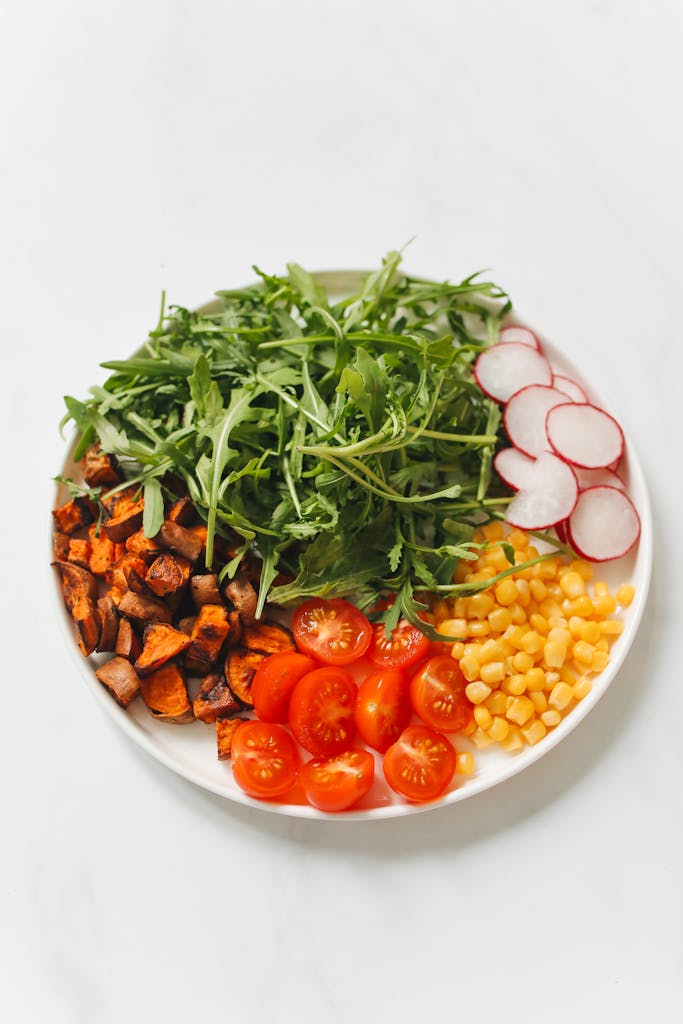
What Does a Balanced Meal Look Like? Simple Guide + Meal Ideas
Conclusion
Fat is an important part of a healthy, well-rounded diet. That said, not all types are created equal. While some types of fat can drive up inflammation and cholesterol levels, others can actually help protect against disease.
Including a variety of healthy fats in your diet can help ensure that you’re getting all the nutrients you need. Enjoy these foods as part of a nutritious, well-rounded diet to maximize the potential health benefits.