Best Foods for Hormone Balance, According to a Dietitian
Hormones play a central role in virtually every aspect of health, from your energy levels and mood to your sleep patterns and reproductive health. For women especially, choosing the best foods for hormone balance can be incredibly beneficial, helping to regulate cycles, reduce symptoms of premenstrual syndrome (PMS), and support overall well-being.
Luckily, you don’t need a perfect diet or a complex supplement stack to make a meaningful impact on hormone health. By focusing on whole, nutrient-dense foods and understanding which ones support or disrupt hormone function, you can create a foundation for better energy, more stable moods and improved reproductive health.
This guide will walk you through which foods to prioritize, which to limit, and practical meal ideas to make hormone-friendly eating easy and enjoyable.
How foods affects hormones
What you put on your plate can have a huge impact on hormone levels. Every bite you take tells your body whether to pump out insulin, produce progesterone, clear excess estrogen, or release cortisol.
One of the biggest ways food affects hormones is through blood sugar. When meals are heavy in refined carbohydrates and low in protein or fiber, your blood sugar spikes, and so does insulin.
Over time, repeated spikes can disrupt ovulation, worsen PMS, and even contribute to conditions like polycystic ovary syndrome (PCOS).
On the flip side, balanced meals with protein, healthy fats, and fiber keep insulin steady, supporting a more stable hormonal environment where estrogen and progesterone can work efficiently.
Your liver and gut also play a central role in hormone balance. After estrogen circulates in your body, it needs to be broken down and eliminated.
Cruciferous vegetables like broccoli and Brussels sprouts support liver health, whereas fiber-rich foods help clear metabolized estrogen out of the body.
Poor gut health can mean estrogen gets recycled instead of removed, potentially worsening symptoms like heavy periods, bloating, and breast tenderness.
Dietary fat is also important; estrogen, progesterone, and testosterone are all made from cholesterol, which means that not getting enough fat in your diet can actually interfere with hormone production.
Fueling your body with a balanced, varied diet is key for maintaining healthy hormone levels. While food can’t override every hormone shift (hello, life stages), it definitely does influence the environment your hormones operate in.
Best foods for hormone balance
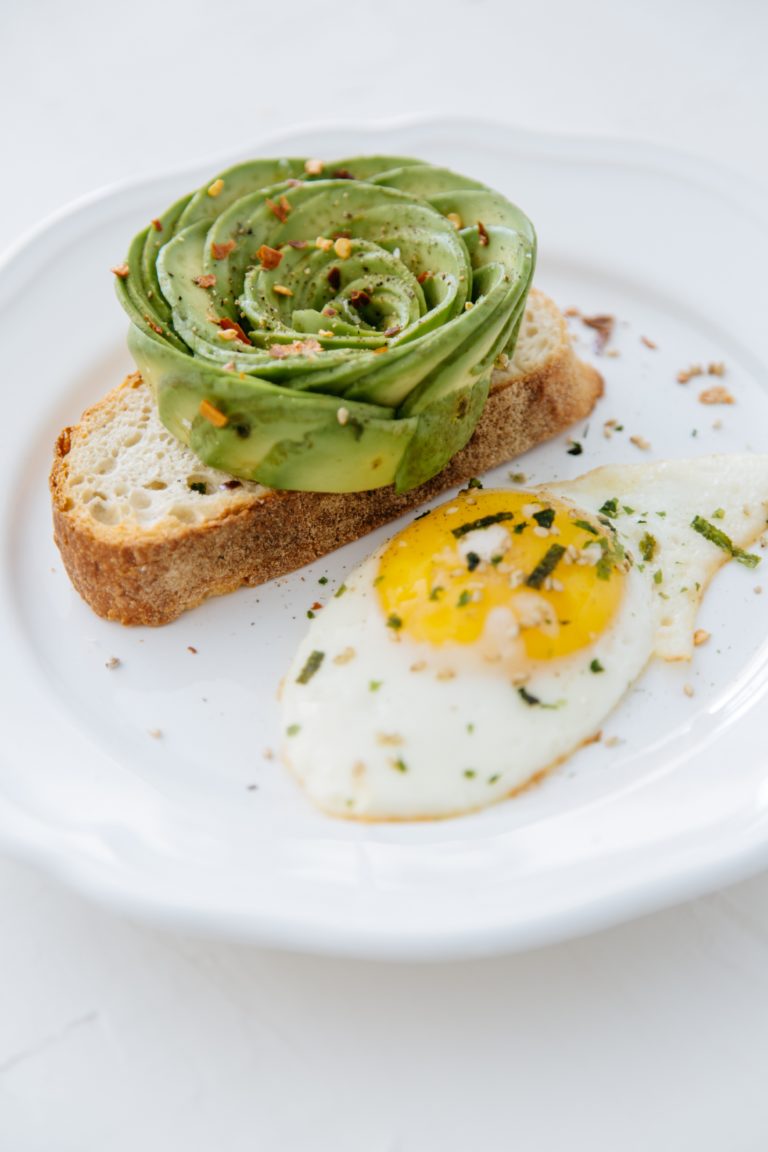
1. Avocados
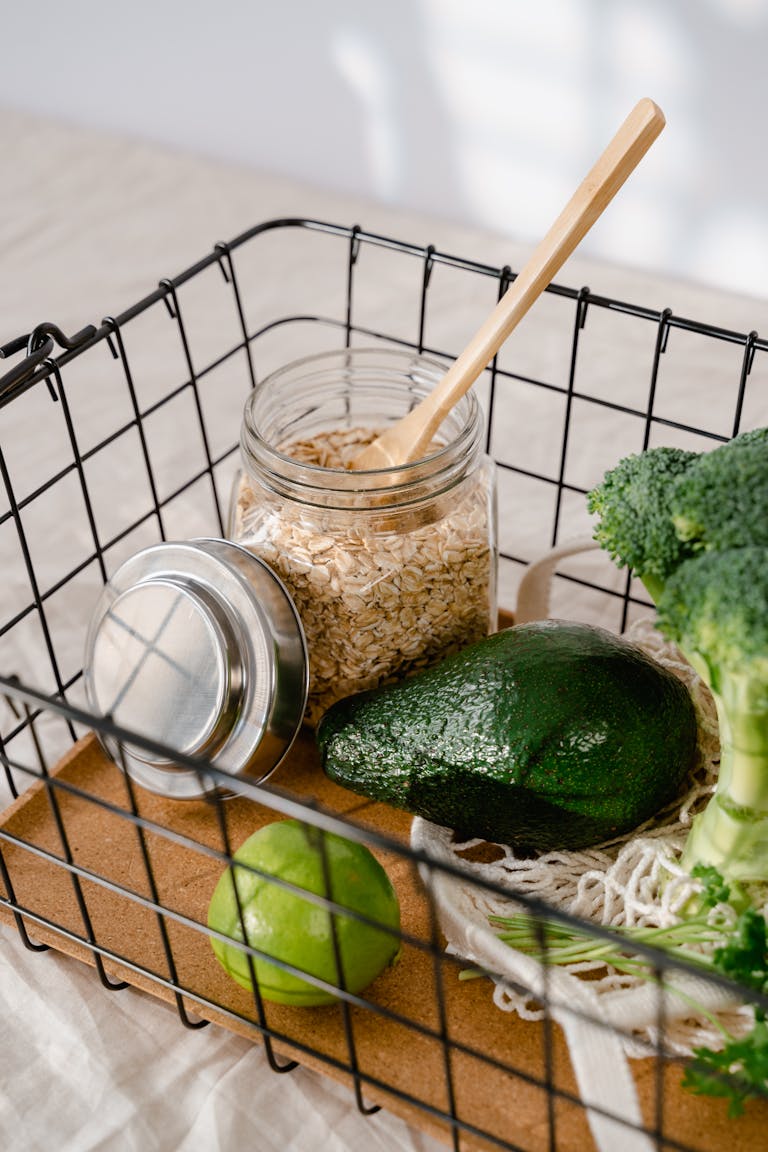
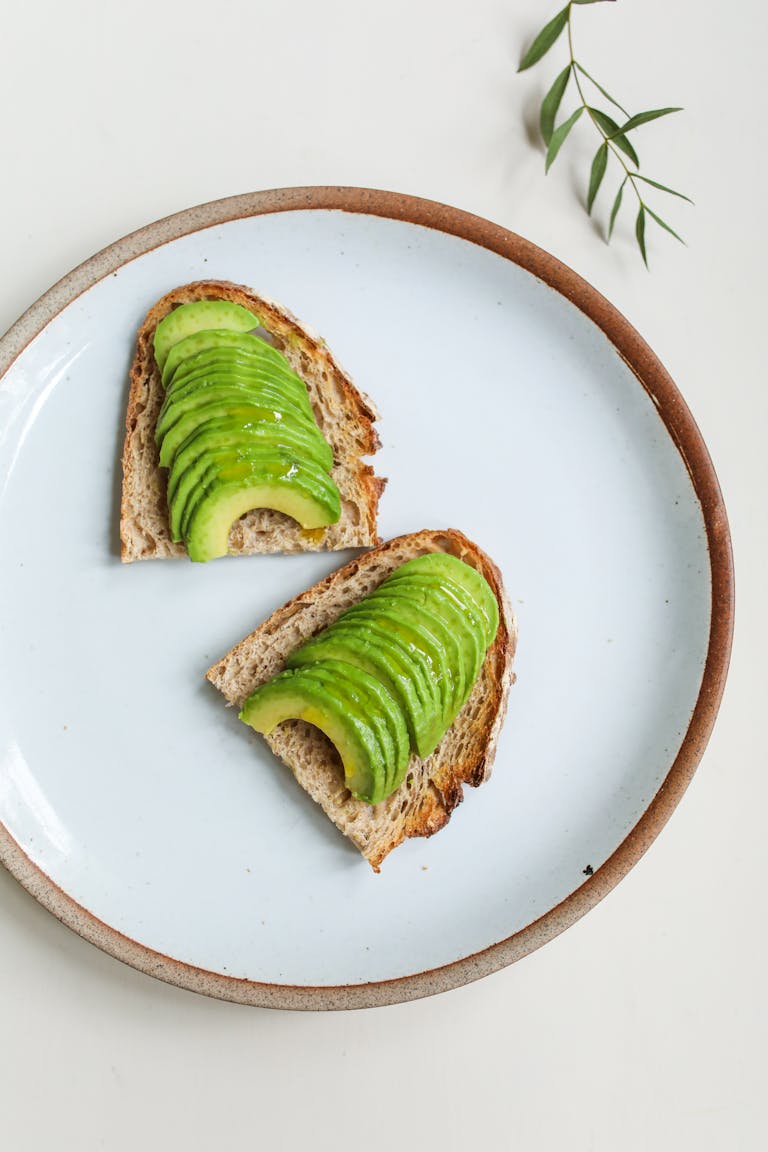
Avocados provide heart-healthy fats, which your body uses to produce estrogen and progesterone. They also help stabilize blood sugar levels, a key factor in keeping insulin (and downstream hormones) steady. Additionally, they’re packed with fiber to support estrogen elimination, plus potassium and magnesium to regulate cortisol and reduce stress-related hormone disruption.
2. Tofu
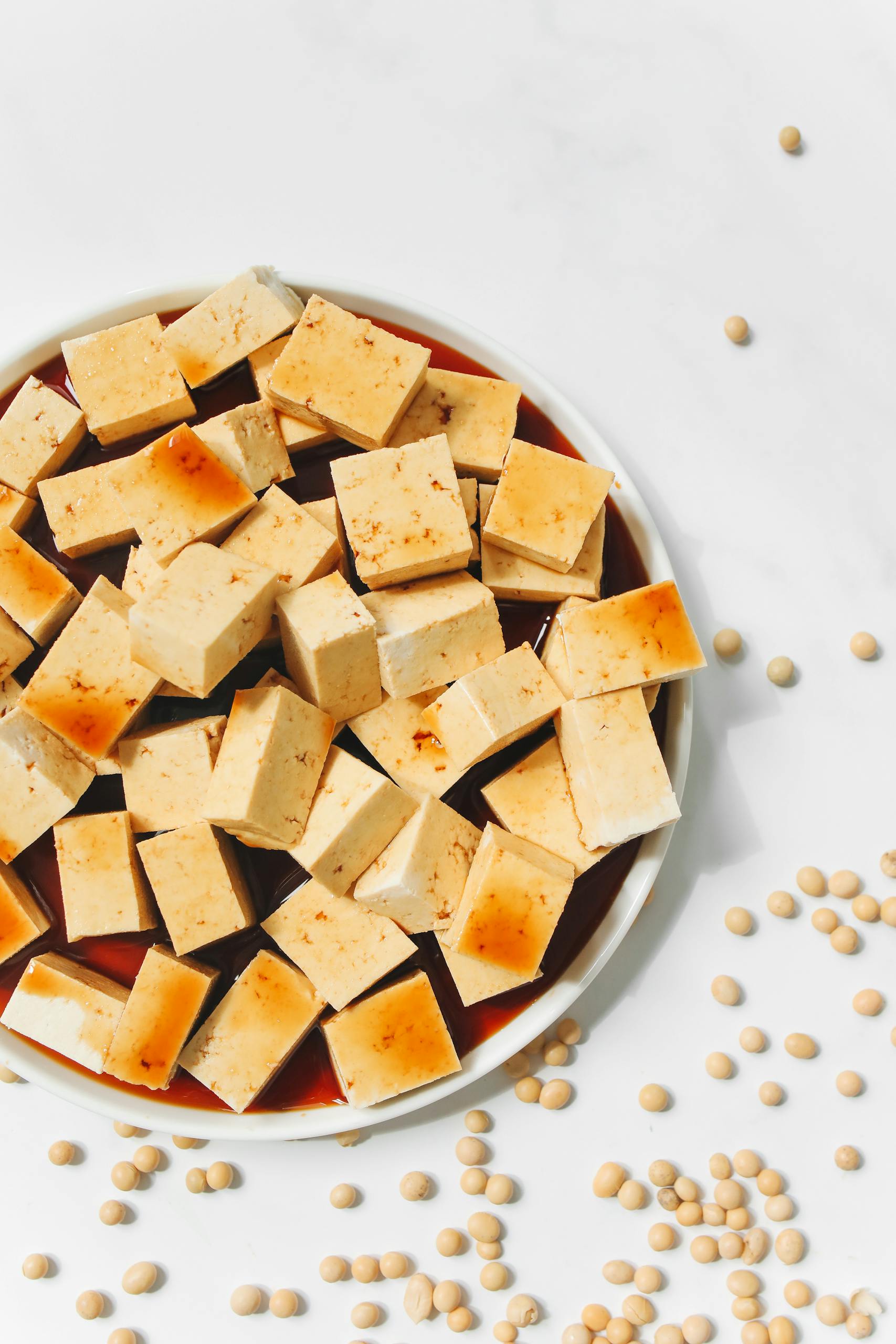
Tofu is one of the best foods for hormone balance. Made from soybeans, it contains natural plant compounds called isoflavones, which act as phytoestrogens. This means that they can bind to estrogen receptors and have a balancing effect, especially when estrogen levels are low, like in perimenopause. Rather than “raising estrogen,” research suggests soy foods like tofu may modulate estrogen activity, potentially reducing certain symptoms of menopause.
3. Leafy greens
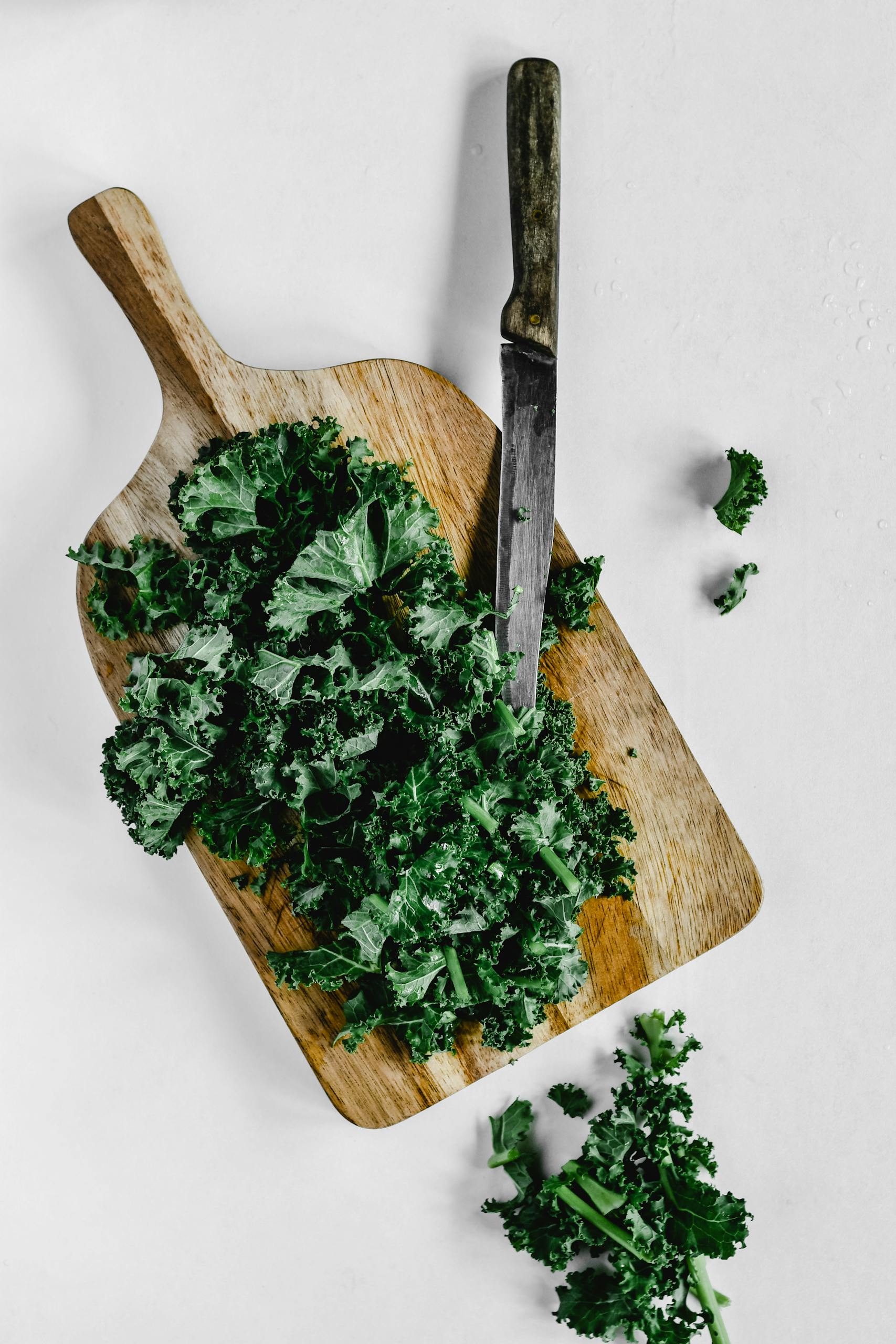
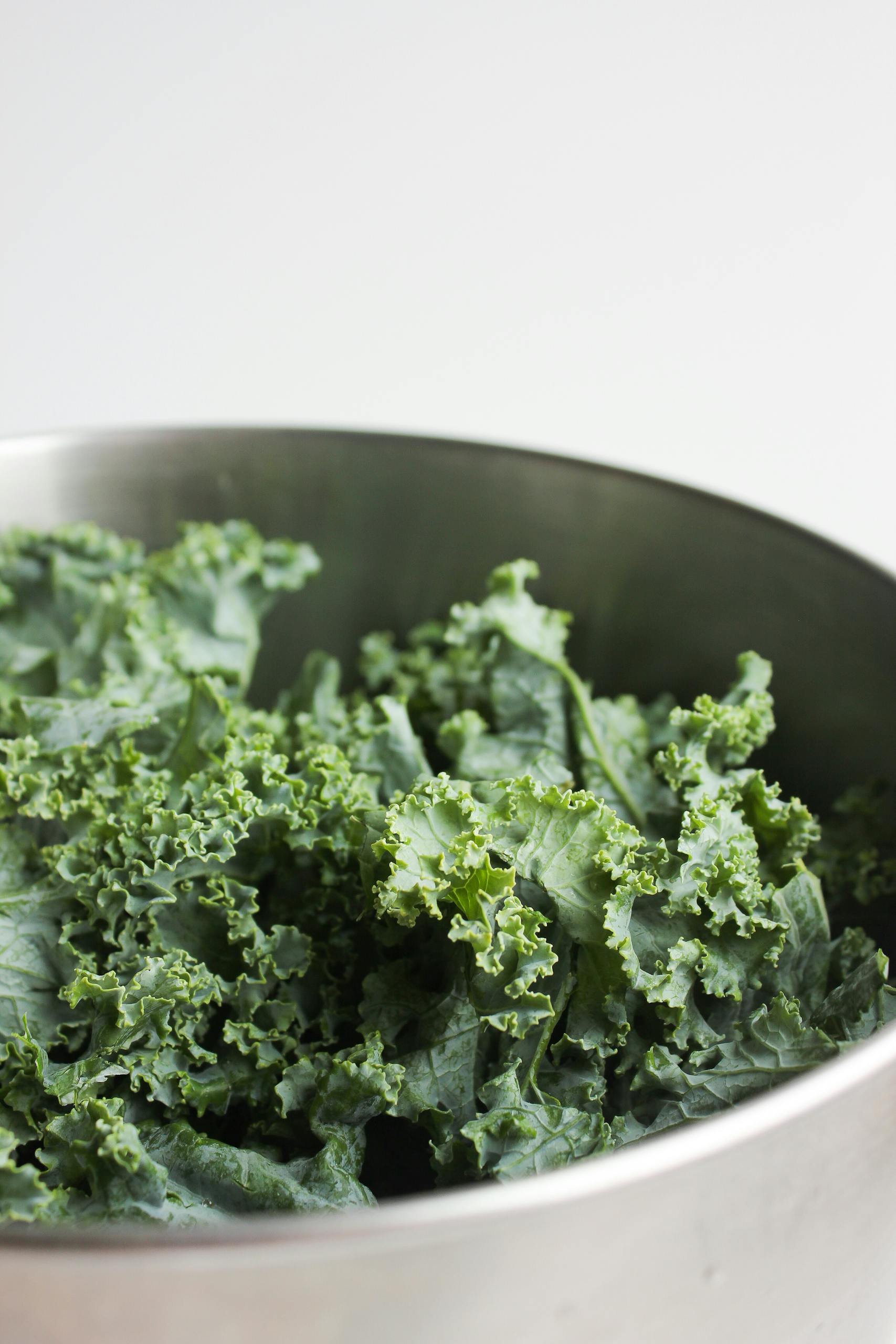
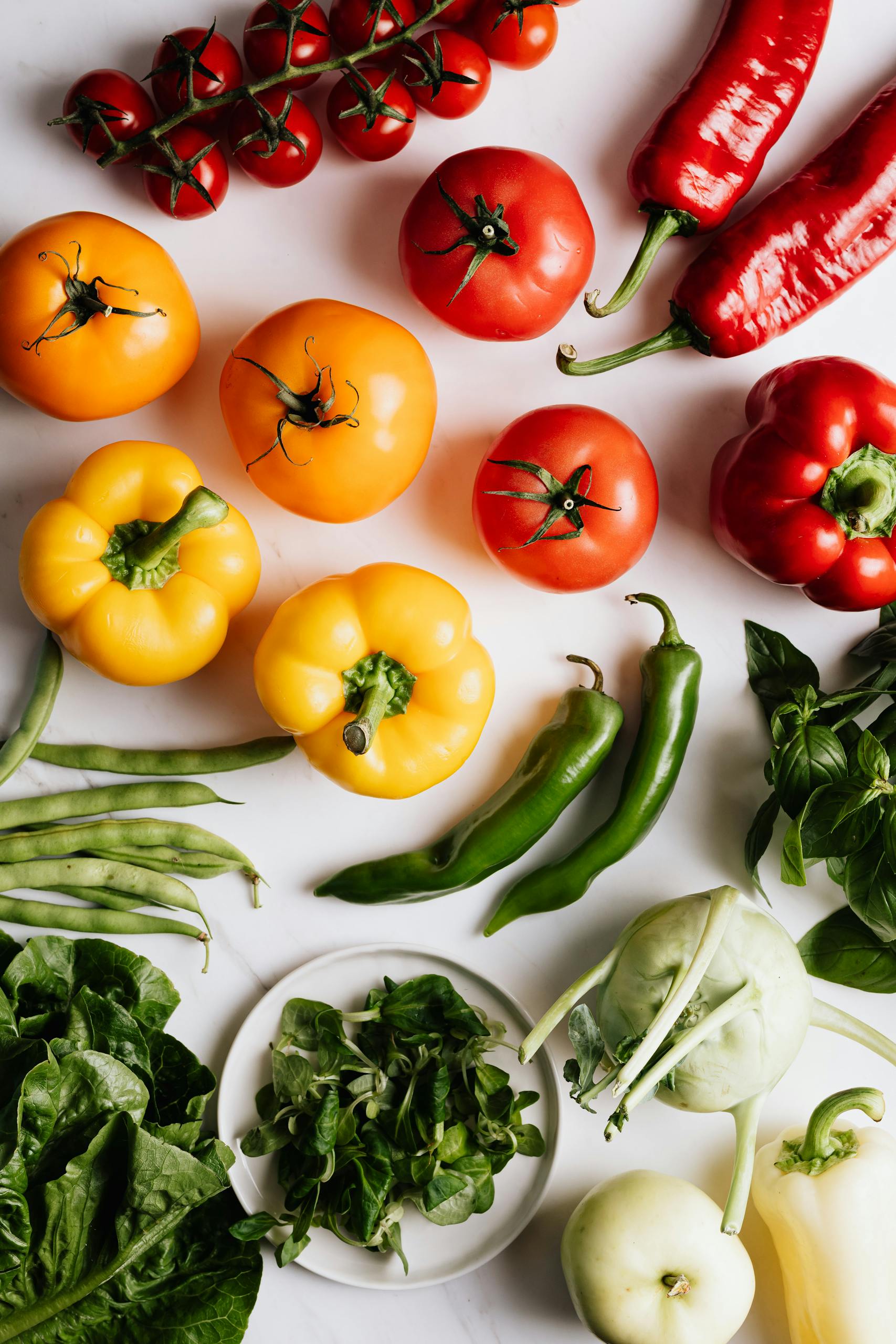
Leafy greens like spinach, kale, and Swiss chard are loaded with magnesium, a mineral that helps regulate cortisol and ease PMS symptoms while also supporting healthy blood sugar control. They’re also packed with fiber, which helps escort metabolized estrogen out of the body instead of allowing it to be reabsorbed. On top of that, their antioxidants help reduce inflammation, a major driver of hormonal disruption.
4. Olive oil
Olive oil is high in monounsaturated fats and polyphenols, which improve insulin sensitivity to keep blood sugar levels under control. Its anti-inflammatory compounds also support ovulatory function and may lower excess androgen levels in women dealing with hormonal imbalances. Including olive oil in your diet also makes sure you’re getting the heart-healthy fats your body needs for hormone production.
5. Broccoli
Broccoli is one of the best foods for hormone balance because it contains compounds like sulforaphane and indole-3-carbinol, both of which help the liver break estrogen down and prepare it for elimination. Broccoli is also rich in fiber to remove metabolized estrogen from the body, along with antioxidants that reduce inflammation.
6. Legumes
Legumes (including lentils, chickpeas, and black beans) are a great source of fiber, which stabilizes blood sugar and improve insulin sensitivity to balance hormone levels. That same fiber also supports the removal of excess estrogen by binding to it in the gut and helping eliminate it efficiently. Legumes provide plant-based protein as well, preventing the blood sugar swings that can spike cortisol and disrupt ovulation. As a bonus, they contain phytonutrients and minerals like magnesium and iron that support energy levels and alleviate PMS symptoms.
7. Whole grains
Compared to refined carbs, whole grains like oats, quinoa, and brown rice are higher in fiber, which slows digestion and prevents sharp insulin spikes, an important factor for balancing estrogen and progesterone levels. They also provide B vitamins, which are essential for energy production and hormone metabolism in the liver.
8. Tempeh
Like tofu, tempeh contains isoflavones, which are plant-based compounds that can modulate estrogen activity. The fermentation process also creates probiotics and makes nutrients like B vitamins and minerals easier to absorb, supporting liver and gut health for proper hormone metabolism and estrogen clearance. Plus, tempeh is packed with protein, stabilizing blood sugar to keep insulin in check.
9. Kefir
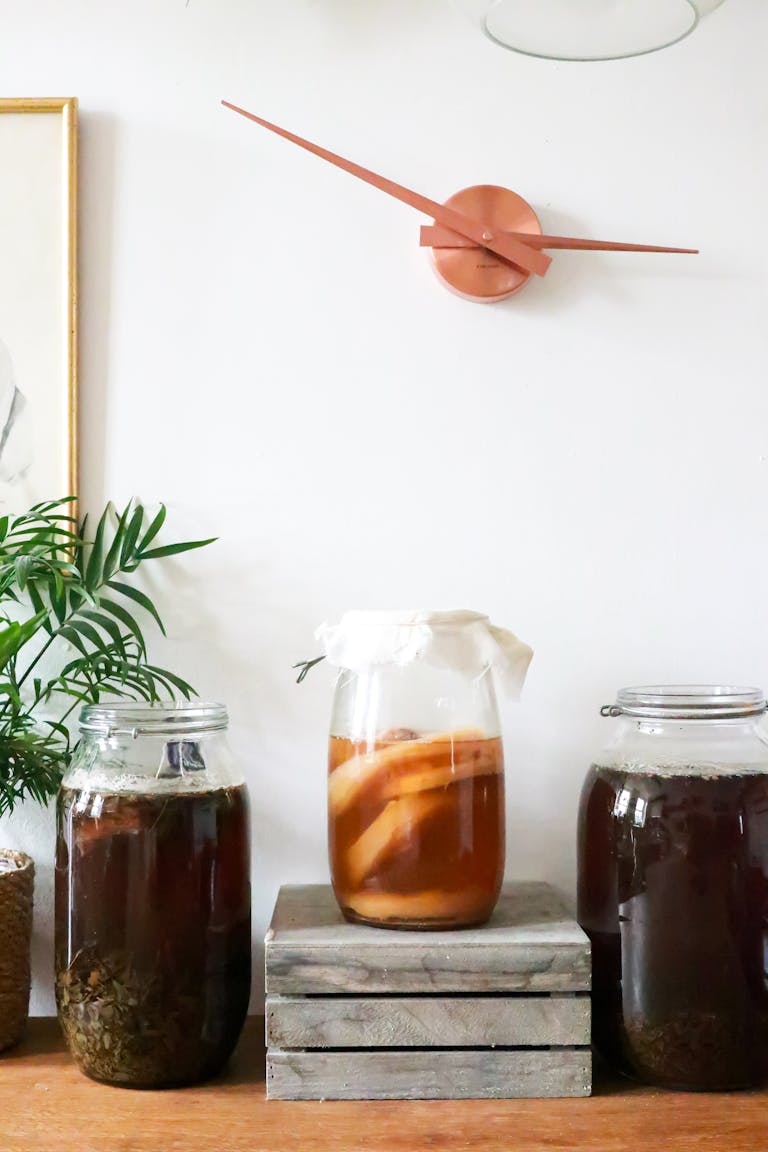
Kefir is a fermented drink packed with probiotics that support a healthy microbiome, which plays a direct role in estrogen metabolism. A balanced gut can prevent excess estrogen from recirculating, reducing symptoms like bloating, breast tenderness, and heavy periods. Kefir also provides protein and calcium, supporting stable blood sugar and overall endocrine function.
10. Seeds
Seeds, including flax, pumpkin, chia, and sunflower seeds, are small but mighty when it comes to hormone balance. Flax seeds, in particular, are rich in lignans, plant compounds that regulate estrogen activity and promote the elimination of excess estrogen. Meanwhile, pumpkin and sunflower seeds provide magnesium and zinc, minerals that balance cortisol and support reproductive hormone production. Chia seeds also deliver omega-3 fats, which may lower inflammation that can interfere with ovulation and overall hormonal function.
Foods to limit or avoid
Just as certain foods can promote healthy hormone production, others can throw your hormones out of balance. For this reason, being mindful of what you eat is just as important as what you include in your diet.
Some of the foods that you should limit or avoid for hormone balance include:
- Refined carbs
- Sugary foods
- Alcohol
- Caffeine
- Ultra-processed foods
- Processed meats
Many of these foods can worsen inflammation, impact liver health, drive up cortisol levels, and contribute to spikes in blood sugar and insulin.
While you don’t need to cut them out completely, consider cutting back and prioritizing whole foods instead.
Sample meal plan and recipes
Ready to get started? Here’s a simple, hormone-friendly meal plan with delicious recipes featuring the best foods to support hormone balance.
Three-day meal plan for hormone balance
Day 1:
- Breakfast: Creamy Tofu Pesto and Egg Breakfast Sandwich
- Lunch: Vegan Harvest Bowls
- Dinner: Masala Black Bean Quinoa Burgers
Day 2:
- Breakfast: Oatmeal with Fresh Fruit
- Lunch: Sweet Potato and Kale Couscous Bowls
- Dinner: Vegan Mac & Cheese with Tempeh Bacon
Day 3:
- Breakfast: Toast with High-Protein Edamame Spread
- Lunch: Cheesy Walnut and Lentil Baked Tacos
- Dinner: Avocado Quinoa Superfood Salad
Conclusion
Balancing your hormones is all about consistently choosing foods that nourish your body, support steady blood sugar, reduce inflammation, and keep your liver and gut working efficiently. By focusing on nutrient-dense meals, healthy fats, fiber, and protein while limiting highly processed and sugary foods, you create an environment where your hormones can thrive.