Healthy Grocery Shopping Tips + Sample Grocery List
Quick summary
When you’re trying to eat healthy, navigating your way through the grocery store can feel like quite a feat. From figuring out what actually belongs on your list to deciphering ingredient labels, a few smart strategies and grocery shopping tips can help you build more confidence in the kitchen.
If you’ve ever wondered how to shop smarter, what healthy staples are really worth tossing in your cart, or how to save money without sacrificing quality, you’re in the right place. Keep reading for my go-to healthy grocery shopping tips to make your next trip to the supermarket a breeze.
Healthy grocery shopping tips
1. Come prepared
Smart grocery shopping starts before you even get to the store.
Take a look in your fridge to see what you already have, plan out a few healthy meals for the week, and head to the store with a shopping list in hand.
Not only is this a win for your wallet, but it also helps you avoid tossing unnecessary, less–nutritious snacks into your cart. A little planning can go a long way in keeping your choices intentional.
It also helps to head to the store after you’ve eaten a meal or at least a quick snack. Shopping on an empty stomach can make everything look tempting, which often leads to impulse buys you don’t actually need.
When you’re hungry, it’s easy to over-shop, which usually leads to extra spending, extra calories, and extra food that may end up going to waste.
2. Stick to the perimeter of the store
Oftentimes, the healthiest options are actually found on the outside of the grocery store.
Produce, meat and dairy, for example, are all found on the perimeter of the store while pre-packaged, convenience foods are generally located somewhere in the middle.
Sticking to the outer aisles helps you load up on fresh, nutrient-dense foods and skip processed items.
3. Check the ingredients label
Many processed products are marketed as “healthy” or “good-for-you” by food manufacturers, regardless of whether or not it’s actually true.
With terms like “natural,” “low-calorie,” or “light” being constantly thrown around, it can be tricky to understand what you should actually be adding to your cart when you’re trying to eat healthy.
One of the most important grocery shopping tips is to simply start checking the labels of the foods that you’re buying.
Look for products with minimal ingredients and limit your consumption of foods high in sodium and added sugar.
As a simple guideline, if an ingredient isn’t something you’d normally keep in your own kitchen, it’s probably best to skip it.
It’s also worth paying attention to the order of ingredients, as they’re listed from highest amount to lowest, giving you a quick snapshot of what the food is really made of.
And pay special attention to sugar. If sugar (or any of its other names like sucrose, corn syrup, or maltodextrin) shows up within the first three ingredients, it’s usually a sign to put it back and look for a healthier option instead.
Stay in the loop!
HEALTHY EATING TIPS & RECIPES delivered directly TO YOUR INBOX
4. Stock up on the basics
Keeping a few simple staples on hand is one of the best ways to save money on groceries while also minimizing the amount of time you’re spending at the store.
Stocking up on basics in bulk—preferably while they’re on sale—can not only save you time and money, but it can also make meal prep a breeze.
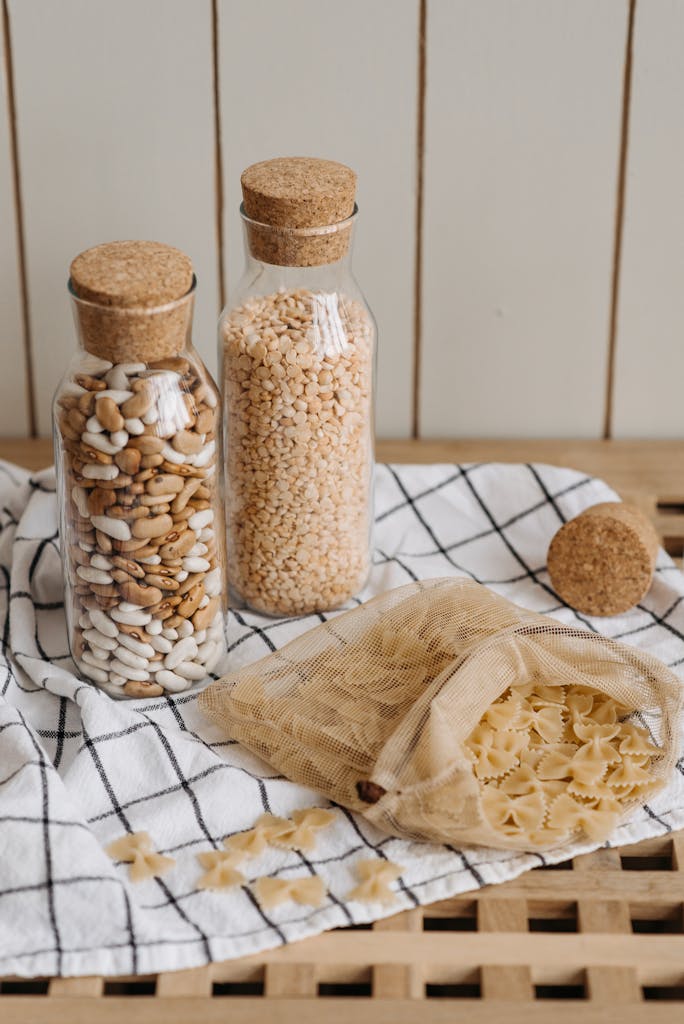
With basics like grains, legumes, nuts, seeds, and spices ready to go in your kitchen, you can easily mix and match your favorite ingredients to whip up a well-balanced meal in a pinch.
You can also focus your weekly grocery shopping trips on items with a shorter shelf-life, like fruits, veggies, and proteins.
5. Buy what you need
One of the easiest and most effective ways to save money on groceries and cut back on food waste is to stick to ingredients that you actually plan to use during the week.
It’s easy to get excited and overload your cart with healthy options, but it’s worth pausing to ask yourself whether you’ll actually use everything before it goes bad.
Planning out your meals throughout the week is a solid place to start, but also takes a bit of trial and error to find a balance between getting too much and not getting enough.
One of my favorite smart shopping strategies is to do one big grocery run at the start of the week. That’s when I stock up on most of my fruits, veggies, and any staple ingredients I’m running low on.
Then, later in the week, I’ll pop back into the store once or twice only if I need something specific for a meal or realize I forgot an item during my main trip.
Sample grocery list
If you want to cut food costs, creating a grocery list ahead of time is one of the most effective strategies.
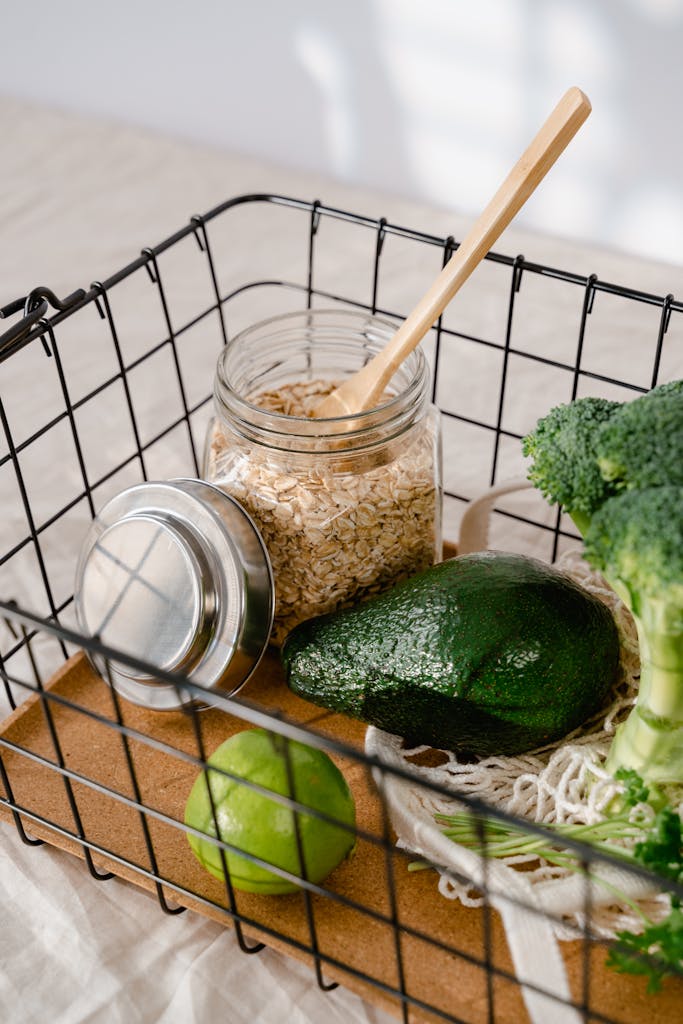
Check out this sample grocery list with some ideas for which foods to add to your grocery list. Then, adjust it to fit your own personal preferences and use it with the healthy grocery shopping tips above to get started!
- Fruits: apples, bananas, blueberries, grapes, grapefruit, limes, lemons, melons, oranges, peaches, pears, pineapples, strawberries
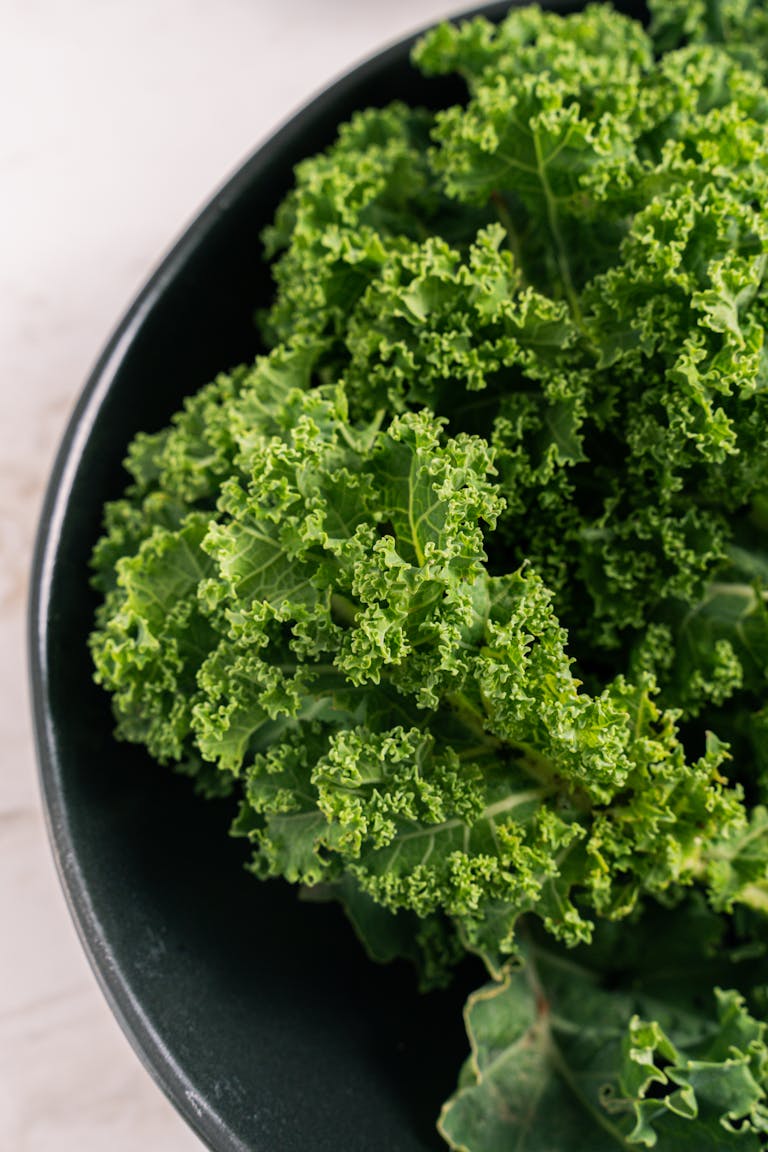
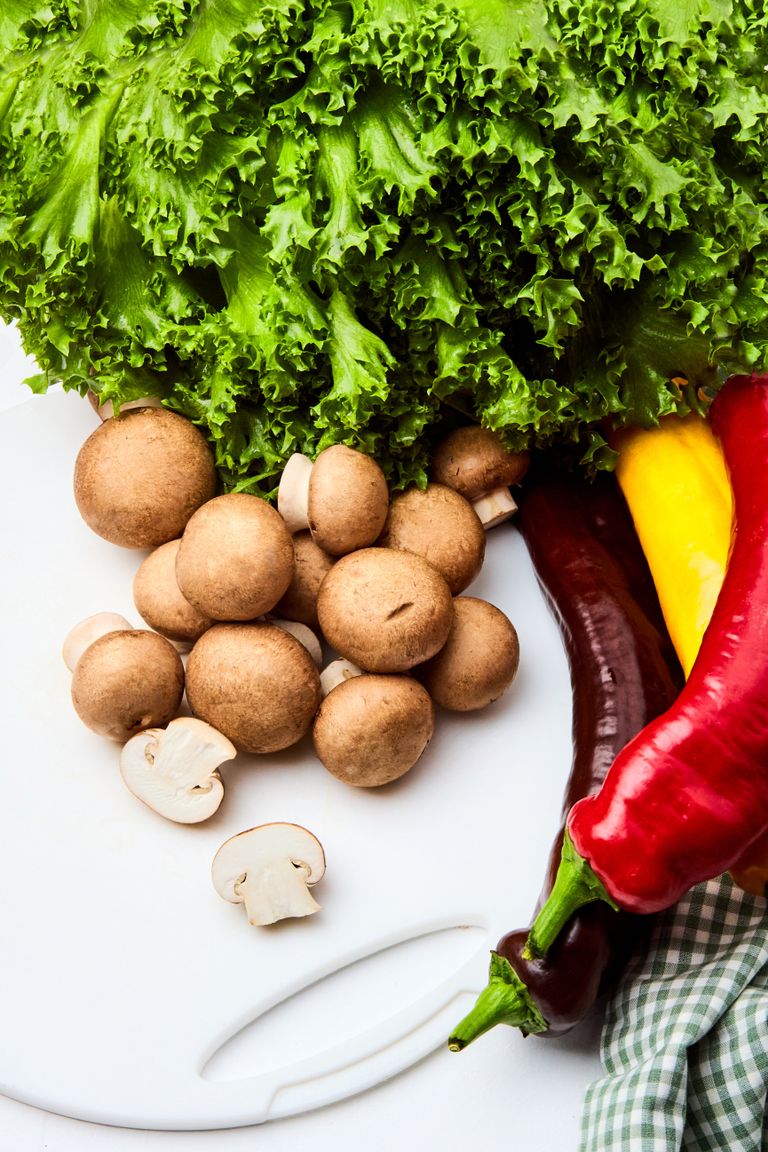
- Vegetables: arugula, asparagus, avocado, broccoli, Brussels sprouts, cabbage, carrots, cauliflower, eggplant, kale, lettuce, peppers, potatoes, spinach, sweet potatoes, tomatoes, etc.
- Protein foods: tempeh, tofu, eggs, poultry, seafood, red meat
- Grains: barley, brown rice, buckwheat, bulgur, couscous, millet, oats, quinoa, rye, spelt
- Legumes: black beans, chickpeas, kidney beans, lentils, lima beans, navy beans, pinto beans
- Nuts: almonds, Brazil nuts, cashews, chestnuts, macadamia nuts, pecans, pistachios, walnuts
- Seeds: chia seeds, flaxseeds, hemp seeds, pumpkin seeds, sesame seeds, sunflower seeds
- Dairy products: milk, butter, yogurt, cheese
- Healthy fats: olive oil, coconut oil, avocado oil
FAQ
More grocery shopping tips

How to Shop Healthy on a Budget: A Complete Guide
Brain-Healthy Grocery List: What to Buy for Better Focus, Memory, and Mood
Healthy Pantry Staples to Start Stocking up On
Conclusion
Using these simple grocery shopping tips to save money and time can also have a huge impact on your health.
Prioritizing nutrient-dense whole foods over ingredients that have been heavily processed or refined is a simple strategy that can have long-lasting effects, ranging from increased energy levels to a lower risk of chronic disease.
Try making a few minor modifications to your routine to give your health an upgrade, starting right at the grocery store.