What Are Legumes? Top 6 Best Legumes for Better Health
Rich in fiber, protein, and a long list of nutrients, including a few servings of the best legumes in your daily diet can make a huge impact on your health.
Studies show that eating more legumes may be linked to a decreased risk of heart disease and diabetes, plus a lower body weight. Legumes are also cost-effective, convenient, and versatile, making them a must-have on your next shopping list.
So which bean has the most protein? What are the best beans to eat? And how can you incorporate a few of the best legumes into your daily diet? Here’s what you need to know.

What are legumes?
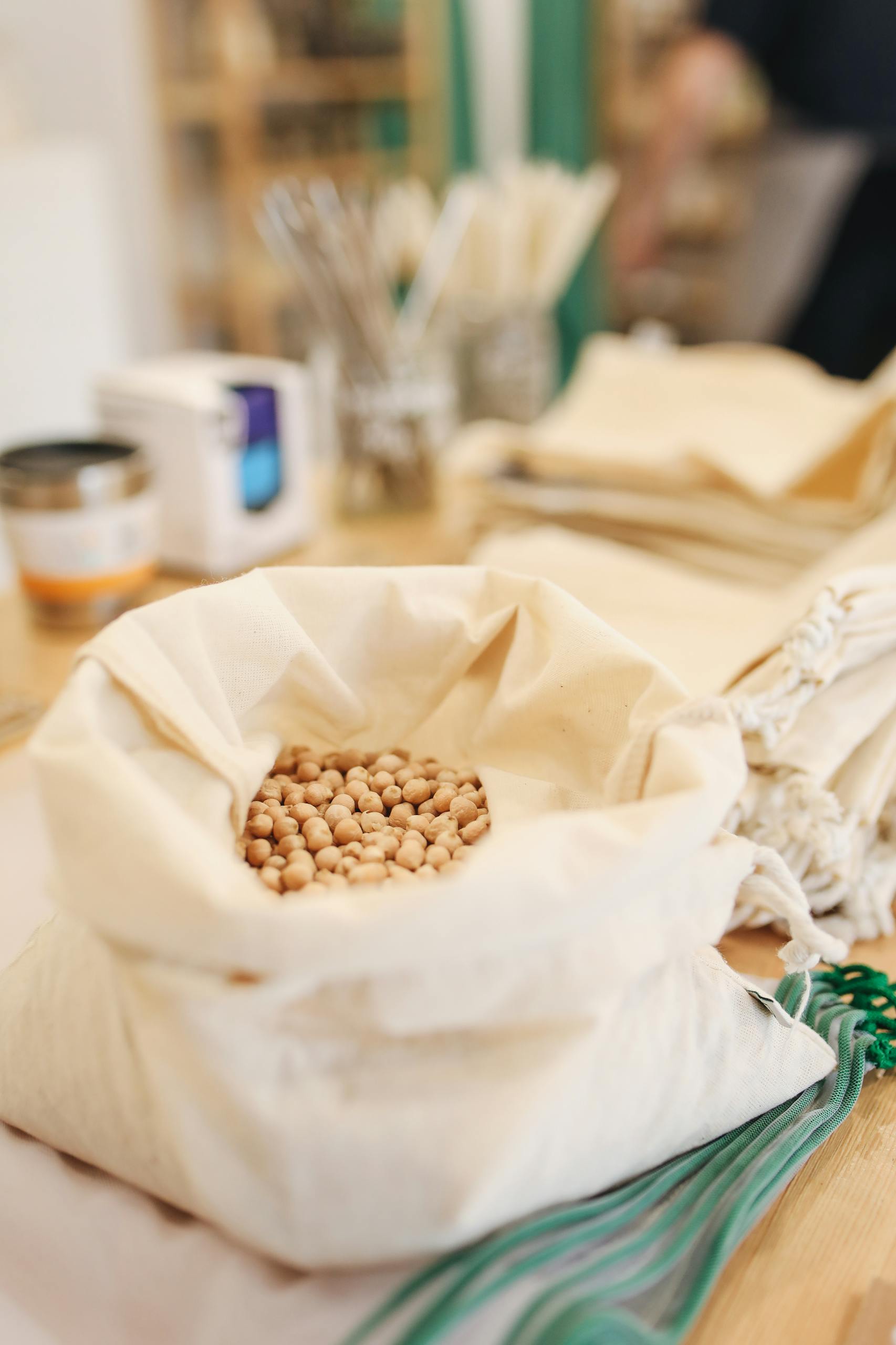
Legumes are a group of plants that belong to the Fabaceae family. According to an article published in Phytotaxa, there are over 19,500 different species that belong to this family of plants, but only a handful are commonly consumed.
Some of the most common types of legumes include:
- kidney beans
- black beans
- lentils
- garbanzo beans
- peas
- alfalfa
- cannellini beans
- soybeans
- green beans
- peanuts
- navy beans
- pinto beans
- mung beans
- cowpeas
Legumes are considered a dietary staple in many countries and cuisines around the world. In addition to being an affordable and budget-friendly food, they’re also rich in important nutrients and easy to enjoy in a wide range of recipes.
6 best legumes for health
1. Chickpeas
Also known as garbanzo beans, chickpeas are one of the healthiest beans to eat — and one of my personal favorites.
Chickpeas are a great source of several important nutrients, including fiber, protein, folate, and manganese.
Studies show that adding chickpeas to your diet could help improve blood sugar balance and lower cholesterol levels. A study published in the journal Appetite also found that supplementing with chickpeas for 12 weeks was effective at boosting feelings of satiety and enhancing gut health.
Not only are chickpeas super healthy, but they’re also versatile and make an awesome addition to everything from Buddha bowls to veggie burgers, soups, stews, pasta dishes, and even desserts (like these Chickpea Cookie Cups!).
2. Lentils
Found in a variety of Indian, Mediterranean, and Latin American dishes, lentils are a popular legume in many types of cuisine.
So what are lentils good for? Besides packing in tons of tons of protein and fiber, lentils are also loaded with iron, vitamin B6, and magnesium.
Not only that, but one animal study also found that feeding lentils to rats enhanced the health of the gut microbiome and significantly reduced body weight, body fat, and triglyceride levels.
Lentils work especially well in soups, salads, dips, and spreads. They also make a great substitute for ground meat in sandwiches, sauces, burgers, and tacos.
3. Black beans
As one of the most common legume varieties on the market, most of us have a can or two of black beans sitting on our kitchen shelves. But are black beans good for you?
Each serving of black beans contains a hearty dose of B vitamins like folate and thiamin. Black beans are also rich in manganese, magnesium, iron, phosphorus, and copper. Plus, they contain a wealth of antioxidants, which are powerful compounds that help fight oxidative stress and protect against chronic disease.
The potential uses for black beans extend way beyond burritos, tacos, and enchiladas. You can also enjoy them in chilis, chowders, side dishes, and more.
4. Navy beans
Contrary to what their name might suggest, navy beans are actually a type of small white bean often spotted in soups and certain side dishes, like baked beans.
Navy beans are rich in essential nutrients like folate, manganese, phosphorus, magnesium, and iron.
And with over 13 grams of fiber in every cup, they’re one of the best beans to eat for weight loss and digestive health. In fact, one animal study showed that feeding navy beans to mice helped strengthen the intestinal barrier and promote gut health.
Adding navy beans to your favorite salads is a quick and easy way to help amp up the protein and fiber intake. Alternatively, try using them in your baked goods and desserts for a nutritious way to satisfy your sweet tooth.
5. Kidney beans
Named for their resemblance to kidneys in terms of shape and color, kidney beans are known for their dense texture, making them one of the versatile and best legumes available.
In addition to supplying lots of folate and manganese, kidney beans also provide plenty of vitamin K, magnesium, iron, and zinc.
Kidney beans are also high in protein and fiber, both of which can support weight management. Interestingly, a study in Journal of the American College of Nutrition showed that bean consumption was tied to a smaller waist size and lower risk of having obesity.
Besides beans and rice, kidney beans are also easy to incorporate into chili, casseroles, taco salads, and stews.
6. Peas
Although they’re much different in taste, texture, and appearance compared to beans and lentils, green peas definitely deserve a spot on the list of best legumes.
Peas boast a slightly different nutrient profile than other types of legumes. They’re a good source of vitamin C and vitamin K, along with manganese, vitamin A, and thiamin. They’re also rich in saponins, a type of natural plant compound that is thought to have cancer-fighting effects.
There are numerous ways to add this vibrant veggie into your diet. Peas can be pureed into soups and sauces, sprinkled over pasta dishes, or used to add a pop of color to fritters, risottos and salads.


Legume recipes
Need some inspiration for how to include a few of the healthiest legumes in your daily diet? Check out these delicious and nutritious recipes that put legumes center stage:
- Chickpea Cookie Cups
- Cheesy Walnut and Lentil Baked Tacos
- Lentil Chickpea Veggie Loaf
- Chickpea Pot Pie
Precautions
Legumes contain antinutrients, a type of compound that can block the absorption of certain minerals in the body. Even though this can be a concern if legumes are a major staple in your diet, there are simple strategies you can use to reduce the content of antinutrients.
Soaking and sprouting your legumes can significantly slash the amount of antinutrients to maximize mineral absorption. High-heat cooking methods like boiling can also decrease the amount of certain antinutrients prior to serving.
If you’re concerned about the antinutrient content of your legumes, you can also try a combination of soaking, sprouting, and boiling beans, peas and lentils prior to serving as well.
FAQ
Conclusion
Legumes are nutritious, versatile, and full of flavor, which is why they can fit seamlessly into almost any diet. Regardless of your personal preferences, there are tons of different options to enjoy.
Ready to get started? Try swapping out other sources of protein for legumes in your daily diet to take advantage of the health benefits that this tasty ingredient has to offer.
Not only can legumes help you add a dose of flavor and variety to your menu, but they can also help improve your health in the process.