9 Easy Ways to Add Magnesium-Rich Foods to Your Diet
Magnesium plays a central role in everything from energy levels to muscle function, but it’s surprisingly easy to miss out on. Even though it’s found in a variety of foods, modern diets that rely more on processed options can leave you getting less than you need.
Luckily, there are plenty of easy ways to add magnesium-rich foods to your diet without completely changing how you eat. Even a few small, simple shifts — like choosing whole grains, eating more leafy greens, and adding nuts and seeds to meals — can add up fast and make a meaningful difference over time.
In this guide, we’ll walk through practical, realistic strategies you can use every day, along with magnesium-rich snack ideas and recipes to help boost your intake naturally.


Why is magnesium important?
Magnesium is an essential mineral required for over 300 chemical reactions in the body.
More specifically, magnesium is involved in:
- muscle and nerve function
- maintaining heart health
- regulating blood pressure
- energy production
- bone health
Magnesium works closely with other nutrients as well. For example, it helps activate vitamin D, supports healthy blood sugar balance, and contributes to normal protein synthesis. Because magnesium is required for so many bodily functions, getting enough through your diet is incredibly important.
Unfortunately, many people don’t get enough magnesium in their diet. In fact, it’s estimated that around 31% of the population worldwide falls short on their magnesium intake. Making a few small changes to your diet can help ensure that you’re meeting your needs for this essential nutrient.
How much magnesium do you need per day?
The amount of magnesium you need each day depends on factors like your age and sex. In general, most adults need between 310-420 milligrams per day.
According to dietary guidelines, the current recommended daily intake for magnesium is:
- Women (19-30 years): 310 mg per day
- Women (31+ years): 320 mg per day
- Men (19-30 years): 400 mg per day
- Men (31+ years): 420 mg per day
Certain life stages may increase magnesium needs. For example, people who are pregnant or breastfeeding typically require slightly higher amounts.
Because magnesium is found naturally in a variety of whole foods, many people can meet their daily needs through a balanced diet. Including several magnesium-rich foods throughout the day can make it easier to reach these recommended amounts.
Foods naturally high in magnesium
Magnesium is found in a wide variety of whole foods, especially plant-based ingredients. If you’re looking to increase your intake, adding foods naturally high in magnesium to your meals is a simple and effective approach.
Here are some of the best foods to increase magnesium levels naturally:
- Leafy greens: spinach, Swiss chard, kale, beet greens
- Nuts: almonds, cashews, peanuts, Brazil nuts
- Seeds: pumpkin seeds, chia seeds, sunflower seeds
- Legumes: black beans, chickpeas, lentils, edamame, kidney beans
- Whole grains: quinoa, brown rice, oats
- Fruits and vegetables: avocados, bananas, potatoes,
- Other foods: yogurt, dark chocolate, raisins, soy milk
Including a mix of these foods in your meals throughout the day can help boost your magnesium intake naturally.
Join the List
Subscribe
Easy ways to add magnesium-rich foods to your diet
Many magnesium-rich foods are easy to incorporate into everyday meals with small, simple changes. Here are some practical ways to add more magnesium-rich foods to your diet.
1. Swap refined grains for whole grains
One of the simplest ways to add magnesium-rich foods to your diet is by replacing refined grains with whole grains.
During processing, refined grains like white rice and white bread are stripped of the bran and germ, which contain magnesium and other nutrients. On the other hand, whole grains retain these nutrient-rich parts.
Choosing options like brown rice instead of white rice, whole-grain bread instead of white bread, and oats, quinoa, farro, or barley rather than refined grains can help boost your intake of magnesium, along with other important nutrients like fiber.
2. Blend up a magnesium-rich smoothie
Not only are smoothies super convenient and completely customizable, but they’re also a smart way to squeeze more vitamins and minerals into your diet.
This is an especially great option if you’re not a fan of veggies like spinach and kale; just toss a handful into the blender alongside your favorite fruits and moments later, you have a magnesium-packed drink ready to enjoy.
A few other magnesium-rich foods that also work well in smoothies include bananas, avocados, nut butter, chia seeds, hemp seeds, and unsweetened cocoa powder.
3. Make smarter snack choices
Snacks are an easy opportunity to increase your magnesium intake, especially if you choose whole, nutrient-dense foods.
Instead of highly processed options like potato chips or cookies, reach for high-magnesium snacks instead. Some simple options include:
- a handful of nuts or seeds
- roasted chickpeas
- Greek yogurt topped with chia or pumpkin seeds
- avocado on whole-grain toast
- a few squares of dark chocolate
These foods naturally contain magnesium and can help you steadily build your intake throughout the day without needing major changes to your meals.
4. Add seeds to soups and stews
Not only are most seeds loaded with magnesium, but they also blend well into warm dishes and provide a concentrated source of magnesium, making your meals more nutrient-dense with very little extra effort.
Stir chia seeds, hemp seeds, or pumpkin seeds into soups and stews toward the end of cooking, or sprinkle them on top right before serving for an extra crunch.
5. Eat more leafy greens
Leafy greens like spinach, kale, and Swiss chard are all stellar sources of magnesium, plus other essential nutrients such as fiber, vitamin C, and potassium.
These veggies can be used in salads, blended into smoothies, stirred into soups, sautéed as a side dish, or mixed into grain bowls, omelets, pastas, and casseroles.
You can also finely chop leafy greens and add them to meatballs, burgers, taco filling, or lentil mixtures for a hidden veggie boost.
6. Stick to magnesium-rich desserts
Believe it or not, you can bump up your intake of magnesium while also satisfying your sweet tooth.
Dark chocolate, cocoa powder, nuts, seeds, almond flour, and chia seeds all contain magnesium and can be enjoyed (in moderation!) in sweet treats like chia pudding, dark chocolate squares, almond-based cookies, or yogurt topped with seeds and cacao.
Swapping processed sweets for nutrient-dense desserts can help you meet your magnesium needs without giving up your favorite treats.
7. Switch up your breakfast
One simple way to increase your magnesium intake is to rethink your morning meal and choose options made with magnesium-rich ingredients.
Instead of sugary cereals or pastries, try these magnesium-rich breakfast ideas:
- oatmeal topped with nuts and seeds
- whole-grain toast with nut butter
- Greek yogurt with chia seeds and fruit
- smoothie made with spinach and cocoa
Starting your day with more nutrient-dense foods sets the tone for better overall intake and makes it easier to meet your magnesium needs more consistently.
8. Enjoy more plant-based meals
Leafy greens, beans, lentils, nuts, seeds, whole grains, and avocados are all high-magnesium plant-based foods, which can easily form the base of balanced meals.
You don’t have to go fully vegetarian. Instead, simply adding more plant-forward dishes throughout the week can significantly boost your overall magnesium intake to help you meet your needs.
Need ideas for adding more plant-based meals to your routine? Try:
- swapping beef patties for veggie burgers
- skipping pepperoni and sausage on pizza and loading up on veggies instead
- trading ground meat for lentils in tacos, chili, and pasta sauces
- using tofu or tempeh in stir-fries instead of chicken or beef
9. Incorporate magnesium-rich foods into side dishes
Side dishes are an easy (and often overlooked) way to get more magnesium from food.
Simple additions like tossing leafy greens into sautéed veggies, adding beans or lentils to grain-based sides, or sprinkling nuts and seeds over roasted vegetables can boost the magnesium content without much extra effort.
Magnesium-rich snacks to eat daily
Snacks are an easy way to boost your magnesium intake throughout the day, especially when you choose nutrient-dense options over highly processed snacks.
Some simple magnesium-rich snack ideas include:
- almonds, cashews, or mixed nuts
- pumpkin seeds or sunflower seeds
- trail mix with nuts, seeds, and dark chocolate
- roasted chickpeas
- apple slices with almond or peanut butter
- Greek yogurt topped with chia seeds
- whole-grain crackers with hummus
- a few squares of dark chocolate
- smoothies with spinach and nut butter
- roasted edamame
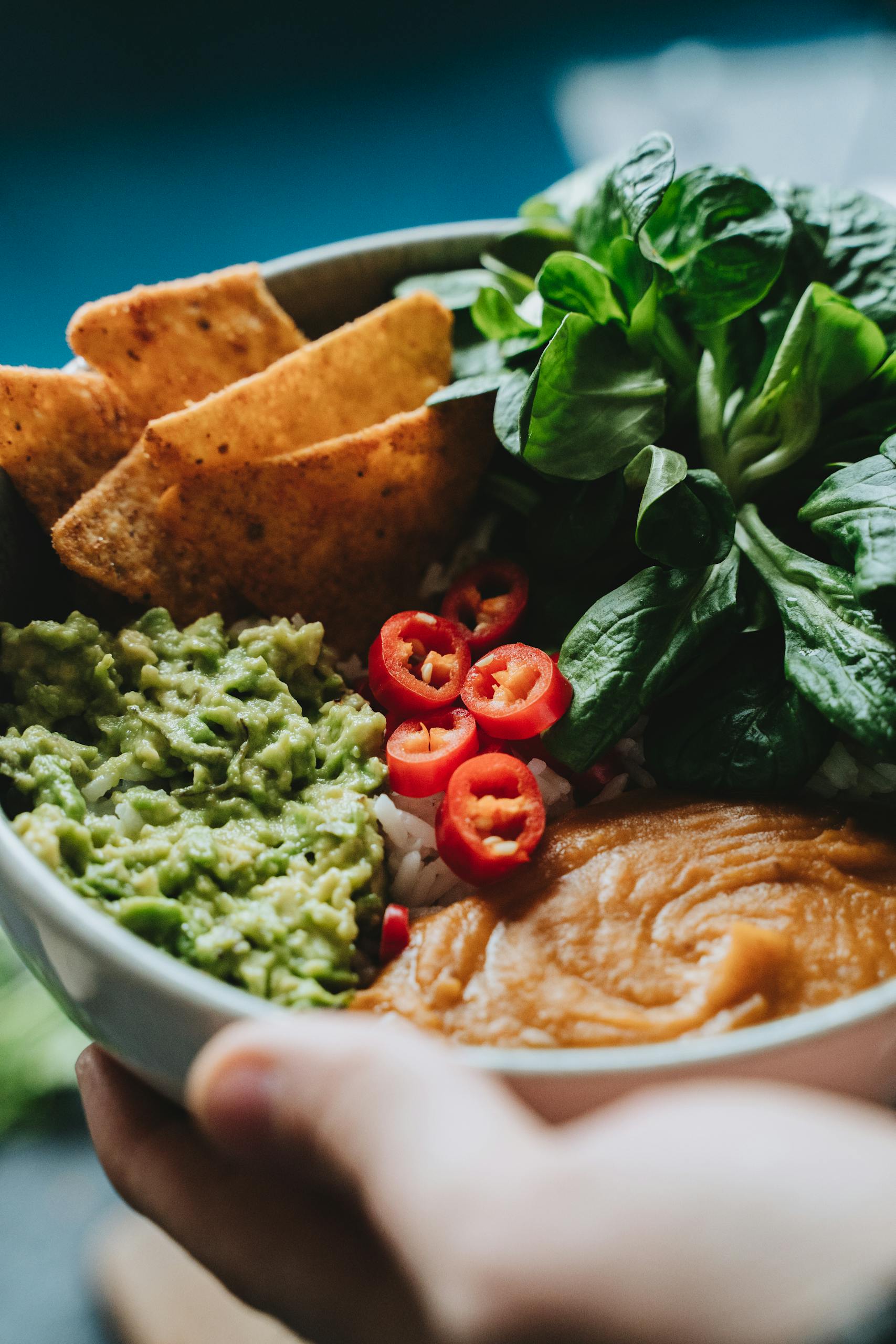
- veggies with guacamole
These snacks are not only satisfying but also steadily increase your magnesium intake between meals.
Magnesium-rich recipes to try
Looking for more magnesium-rich meal ideas? Here are a few magnesium-rich recipes to try:
- Sweet Potato and Kale Couscous Bowl
- High-Protein Creamy Edamame Spread
- Avocado Quinoa Superfood Salad
Signs you may not be getting enough magnesium
Not getting enough magnesium in your diet can impact several aspects of health. While symptoms can vary, there are a few common signs that may indicate low magnesium intake:
- fatigue or low energy levels
- muscle cramps or twitches
- weakness
- difficulty sleeping
- headaches
- irritability or mood changes
- restlessness
- muscle tension
It’s important to note that these symptoms can have many different causes, and not everyone with low magnesium will experience noticeable signs.
If you’re concerned about your intake, focusing on magnesium-rich foods is a good first step, and a healthcare professional can help determine if further evaluation is needed.
FAQ
More helpful articles
Conclusion
There are tons of easy ways to add magnesium-rich foods to your diet, from making small swaps to your snacks and side dishes to building more plant-forward meals. Over time, these simple habits can help you naturally increase your magnesium intake while also improving the overall quality and nutrient density of your diet.