How to Eat 30 Grams of Fiber a Day (Sample Meal Plan)
Fiber is one of the most important nutrients for overall health, yet most people don’t get nearly enough of it in their daily diet. Found primarily in plant foods like fruits, vegetables, whole grains, beans, nuts, and seeds, fiber supports digestion, heart health, blood sugar balance, and even long-term disease prevention.
While recommendations vary, aiming for at least 30 grams of fiber a day is a helpful and realistic goal for most adults. Luckily, making a few strategic food choices throughout the day can help you get there, with no complicated meal planning or pricy supplements required.
This guide will show you what 30 grams of fiber looks like in a day, along with a sample meal plan and some high-fiber snack ideas to help you meet your fiber goals.

What is fiber?
Fiber is a type of carbohydrate that your body can’t fully digest. Unlike other carbs that break down into sugar for energy, fiber passes through your digestive system mostly intact, helping keep your gut healthy, balance blood sugar, and support regular bowel movements.
There are two main types of fiber: soluble fiber, which dissolves in water and can help lower cholesterol and stabilize blood sugar, and insoluble fiber, which adds bulk to stool and keeps digestion moving smoothly.
Both types are found naturally in a variety of plant foods, including fruits, vegetables, nuts, seeds, legumes, and whole grains.
How much fiber do you need?
Most adults don’t get nearly enough fiber, even though it’s an essential nutrient for digestion, heart health, and overall wellness. Your needs can vary based on factors like your age, activity level, and overall diet. However, general guidelines suggest aiming for:
- 25 grams of fiber per day for women
- 38 grams per day for men
Unfortunately, most people fall short on their fiber intake, with some reporting that the average intake is around 15 grams per day, or half of what you actually need.
That’s why gradually working toward around 30 grams of fiber a day can be a helpful and realistic target for many people.
Reaching this amount typically means including fiber-rich foods like fruits, vegetables, whole grains, beans, nuts, and seeds throughout the day rather than relying on just one high-fiber meal.
Benefits of eating 30 grams of fiber a day
Getting at least 30 grams of fiber per day can have a powerful impact on overall health. Fiber plays a key role in everything from digestion to heart health, and consistently eating enough can help reduce the risk of several chronic conditions. Some of the key benefits include:
- Improved digestive health: Fiber helps keep digestion regular and supports a healthy gut microbiome.
- Better heart health: Soluble fiber can help lower LDL (bad) cholesterol levels and support heart health.
- Balanced blood sugar: Fiber slows digestion, helping prevent sharp spikes and crashes in blood sugar.
- Increased fullness: High-fiber foods tend to be more filling, which can help with appetite control and weight management.
- Support for long-term health: Diets rich in fiber are associated with a lower risk of conditions such as heart disease, type 2 diabetes, and colon cancer.
Join the List
Subscribe
High-fiber foods to reach 30 grams
Loading up on nutrient-dense, high-fiber foods is the easiest and most effective way to eat 30 grams of fiber a day. Here are some of the best high-fiber foods to add to your diet, along with how much fiber they contain per serving:
Fruits
- Passion fruit: 24.5 grams per cup
- Avocados: 10 grams per cup
- Raspberries: 9.8 grams per cup
- Guava: 8.9 grams per cup
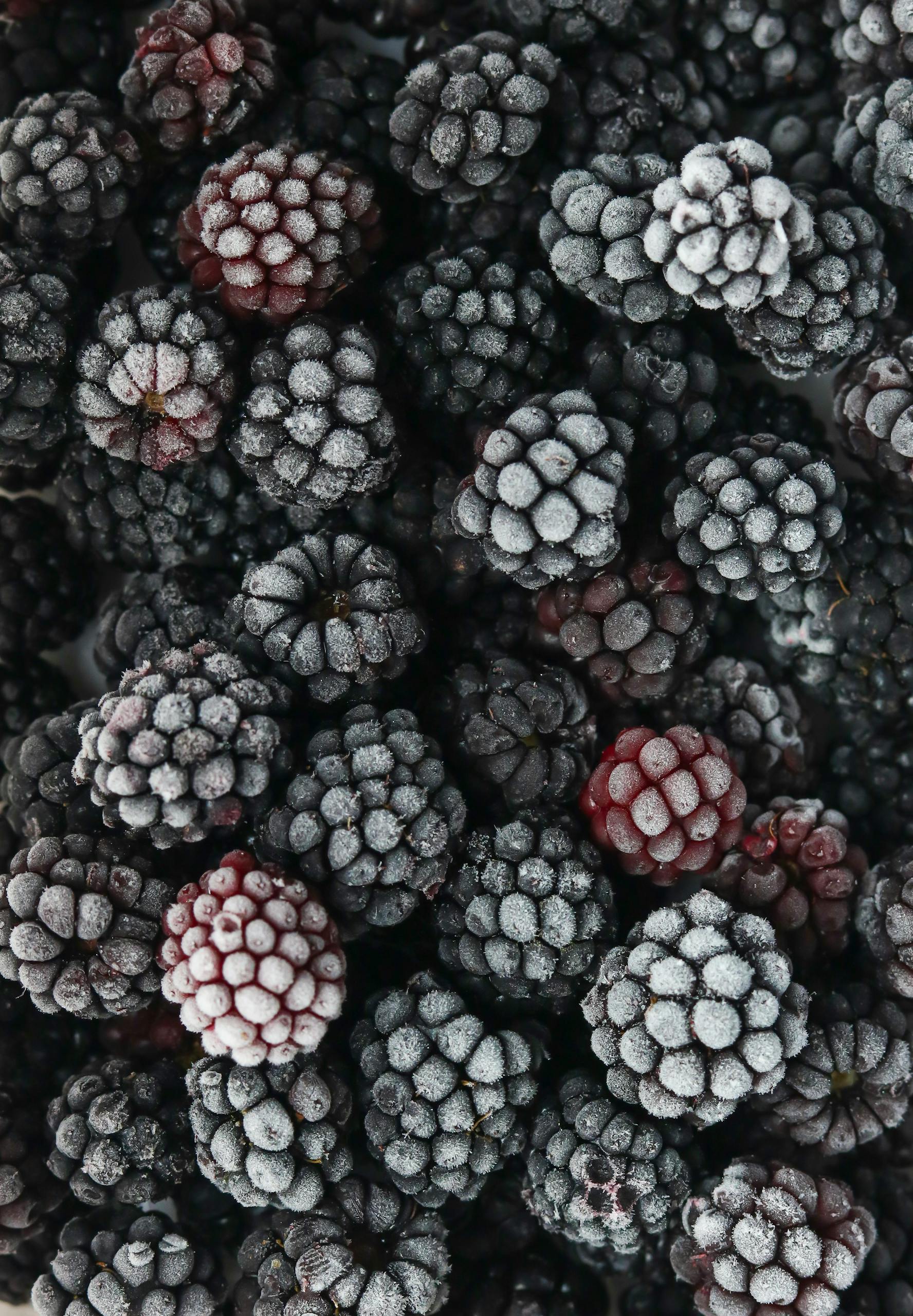
- Blackberries: 8 grams per cup
- Pomegranate: 7 grams per cup
- Kiwi: 5.4 grams per cup
- Pears: 3.9 grams per cup
- Strawberries: 2.7 grams per cup
- Apples: 2.6 grams per cup
- Bananas: 2.6 grams per cup
Vegetables
- Artichokes: 4.8 grams per 1/2 cup cooked
- Sweet potatoes: 3.3 grams per 1/2 cup cooked (with skin)
- Kale: 2.9 grams per 1/2 cup cooked
- Collard greens: 2.8 grams per 1/2 cup cooked
- Broccoli: 2.6 grams per 1/2 cup cooked
- Carrots: 2.5 grams per 1/2 cup cooked
- Brussels sprouts: 2 grams per 1/2 cup cooked
- Cabbage: 2 grams per 1/2 cup cooked
- Spinach: 1.7 grams per 1/2 cup cooked
Legumes
- Navy beans: 9.6 grams per 1/2 cup
- Split peas: 8.2 grams per 1/2 cup
- Lentils: 7.8 grams per 1/2 cup
- Pinto beans: 7.7 grams per 1/2 cup
- Black beans: 7.5 grams per 1/2 cup
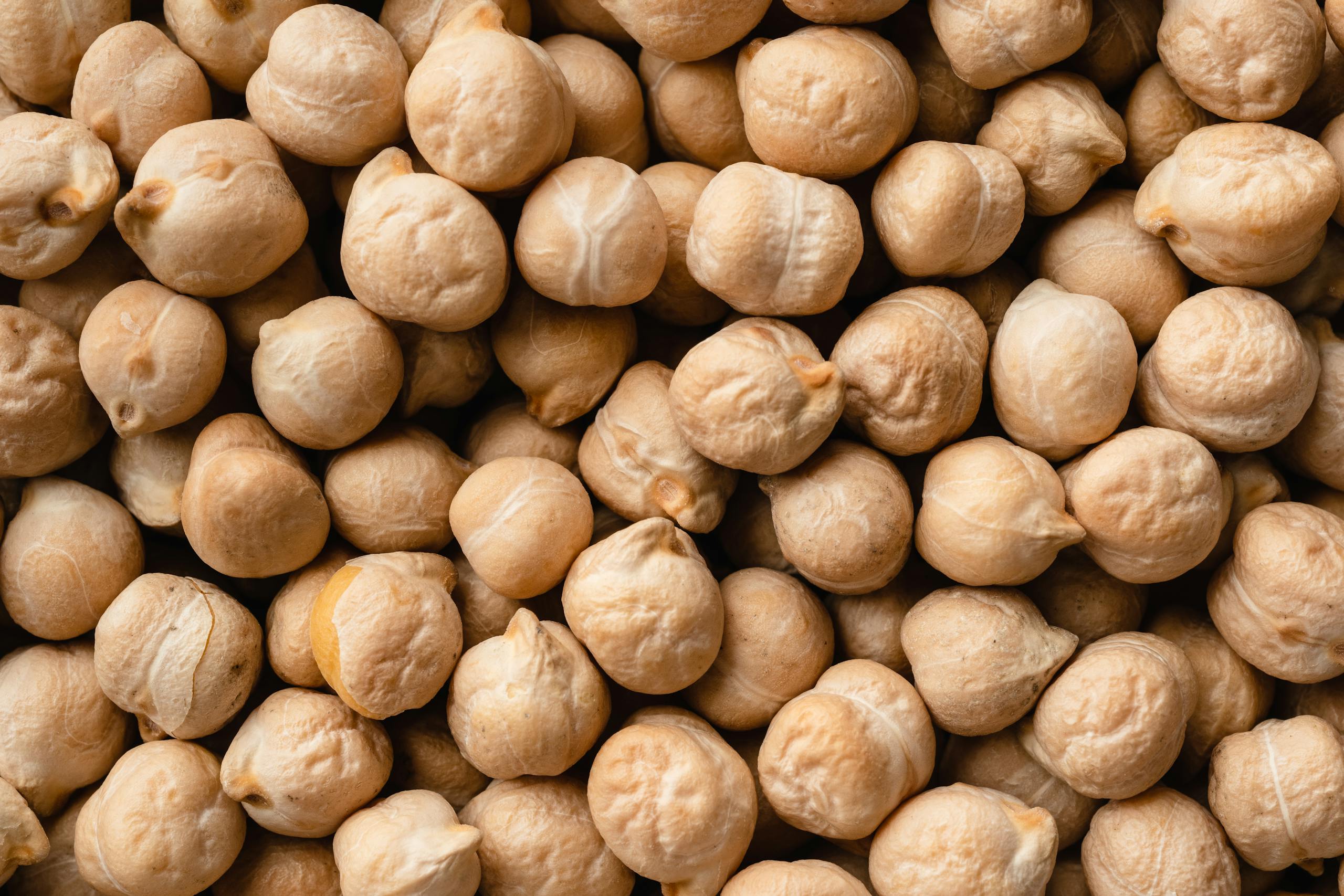
- Chickpeas: 6.3 grams per 1/2 cup
- Kidney beans: 5.7 grams per 1/2 cup
- Green peas: 4.4 grams per 1/2 cup
Nuts
- Almonds: 3.1 grams per ounce
- Pistachios: 3 grams per ounce
- Hazelnuts: 2.8 grams per ounce
- Pecans: 2.7 grams per ounce
- Peanuts: 2.4 grams per ounce
- Macadamia nuts: 2.4 grams per ounce
- Walnuts: 1.9 grams per ounce
- Cashews: 1 gram per ounce
Seeds
- Chia seeds: 9.8 grams per ounce
- Flax seeds: 6.9 grams per ounce
- Sesame seeds: 4 grams per ounce
- Sunflower seeds: 3.1 grams per ounce
- Pumpkin seeds: 1.5 grams per ounce
- Hemp seeds: 1.2 grams per ounce
Whole grains
- Barley: 7.8 grams per 1/4 cup dry
- Bulgur: 5.3 grams per 1/4 cup dry
- Oats: 4.2 grams per 1/4 cup dry (rolled/old-fashioned); 4.8 grams per 1/4 cup dry (steel-cut)
- Teff: 3.9 grams per 1/4 cup dry
- Farro: 3.3 gams per 1/4 cup dry
- Buckwheat: 3.3 grams per 1/4 cup dry
- Quinoa: 3 grams per 1/4 cup dry
- Whole-wheat bread: 1.9 grams per slice
- Brown rice: 1.4 grams per 1/4 cup dry
Fiber supplements
Fiber supplements can be helpful in certain situations, especially for people who struggle to get enough fiber through food alone.
Options like psyllium husk or inulin can support digestive health and regularity, but they shouldn’t replace whole food sources of fiber.
Fiber-rich foods like fruits, vegetables, beans, whole grains, nuts, and seeds provide additional nutrients that supplements don’t offer.
For most people, it’s best to focus on getting the majority of fiber from a balanced, plant-rich diet.

Sample meal plan with 30 grams of fiber
To make hitting 30 grams of fiber a day easy, here’s a sample meal plan packed with fiber-rich foods for every meal.
Day 1
- Breakfast: steel-cut oats with walnuts, chia seeds, and raspberries
- 1/2 cup cooked steel-cut oats, 1 ounce walnuts, 1 tablespoon chia seeds, 1/2 cup raspberries
- Total: 16.5 grams of fiber
- Lunch: grilled chicken with quinoa, sweet potatoes, and Brussels sprouts
- 4 ounces grilled chicken, 1 cup cooked quinoa, 1/2 cup baked sweet potatoes, 1/2 cup roasted Brussels sprouts
- Total: 8.3 grams of fiber
- Dinner: tofu stir-fry with carrots, cabbage, and broccoli
- 1 cup cooked brown rice, 3 ounces tofu, 1/4 cup carrots, 1/4 cup cabbage, 1/2 cup broccoli
- Total: 9.6 grams of fiber
Day 2
- Breakfast: avocado toast
- 2 slices whole-wheat toast, 1 avocado
- Total: 13.8 grams of fiber
- Lunch: pasta with tomato sauce, beef, and veggies
- 1 cup cooked whole-wheat pasta, 1/2 cup tomato sauce, 1/4 cup bell peppers, 1/4 cup carrots, 4 ounces ground beef
- Total: 8.1 grams of fiber
- Dinner: baked salmon with herby bulgur and roasted artichokes
- 4 ounces baked salmon, 1 cup bulgur, 1/2 cup roasted artichokes
- Total: 13 grams of fiber
Day 3
- Breakfast: Greek yogurt with blackberries and chia seeds
- 3/4 cup Greek yogurt, 2 tablespoons chia seeds, 1/2 cup blackberries
- Total: 13.8 grams of fiber
- Lunch: quinoa burrito bowl
- 1 cup cooked quinoa, 1/2 cup black beans, 1/4 cup guacamole, 2 tablespoons pico de gallo
- Total: 14.8 grams of fiber
- Dinner: lentil soup with garlic bread and side salad
- 1 cup lentil soup, 1 slice whole-wheat garlic bread, 1 cup side salad
- Total: 12.4 grams of fiber
Daily totals
High-fiber snack ideas
- Strawberry chia pudding: 11.2 grams
- 1 cup milk, 2 tablespoons chia seeds, 1/2 cup strawberries
- Cottage cheese with raspberries: 9.8 grams
- 1/2 cup cottage cheese, 1 cup raspberries
- Carrots and guacamole: 7.4 grams
- 1 cup carrots, 1/4 cup guacamole
- Apple with peanut butter: 5.8 grams
- 1 medium apple, 2 tablespoons peanut butter
- Bell pepper and hummus: 4.2 grams
- 1/4 cup hummus, 1 bell pepper
- Air-popped popcorn: 3.5 grams
- 3 cups air-popped popcorn
High-fiber recipes
Tips for increasing your fiber intake
Even though adding more fiber to your diet can beneficial, going slow and steady is key. Jumping from a low-fiber diet to a high-fiber one too quickly can lead to uncomfortable symptoms like bloating, gas, or stomach cramps.
These simple tips can help your body adjust more comfortably as you work toward 30 grams of fiber per day:
- Increase fiber slowly: Add a few grams of fiber at a time over several days or weeks to give your digestive system time to adapt.
- Drink plenty of water: Fiber absorbs water, so staying hydrated helps fiber move smoothly through your digestive system and prevents constipation.
- Spread fiber throughout the day: Instead of getting most of your fiber in one meal, include fiber-rich foods at breakfast, lunch, dinner, and snacks.
- Focus on whole foods: Fruits, vegetables, beans, whole grains, nuts, and seeds provide fiber, along with important vitamins and minerals.
- Pay attention to how your body feels: If you notice bloating or discomfort, slow down and give your body a little more time to adjust.
FAQ
More helpful articles
Conclusion
Getting enough fiber each day is a simple but powerful way to support your digestion, heart, blood sugar, and overall health. By enjoying a variety of fiber-rich foods in your daily diet and gradually increasing your intake, you can comfortably reach 30 grams a day and enjoy the long-term benefits of a fiber-filled diet.