GLP-1 Diet: A Dietitian’s Guide to Foods, Meal Plans, and Recipes
GLP-1 medications have quickly become one of the most buzzed-about tools for weight management and blood sugar control. While these drugs can help regulate appetite and boost weight loss, what you eat still plays a major role in how you feel and the results you see.
This is where a healthy GLP-1 diet can really come in handy; making a few simple swaps in your menu can help ensure you’re getting enough nutrients, maintain muscle mass, and support steady energy levels throughout the day.
In this comprehensive guide, you’ll learn everything you need to know about following a GLP-1 diet, from the best foods to include to sample meals and simple recipes to try.
How GLP-1s affect your diet
GLP-1 medications work by slowing the emptying of your stomach and sending satiety signals to your brain. This means you may naturally feel less hungry and eat smaller portions throughout the day.
While this can help with weight loss, it also changes the way you approach meals and snacks. Understanding these effects is key to staying nourished and preventing unwanted side effects, like fatigue or muscle loss.
Because GLP-1s decrease appetite, some may find themselves skipping meals or cutting calories too drastically. Over time, this can make it more tricky to get enough of the nutrients you need, including protein and fiber. For this reason, it’s important to focus on nutrient-dense foods that support your overall health, even when you’re eating less.
GLP-1s could also impact your cravings. In fact, many people actually notice a reduced desire for sugary or highly processed foods, which can be a helpful shift.
But on the flip side, the appetite suppression may make it harder to eat enough protein or complex carbs, especially for people who are active or looking to preserve muscle mass. Planning your meals strategically ensures you get the right balance of nutrients, without feeling deprived.
Finally, hydration and timing can become especially important while on GLP-1s. Because smaller meals are the norm, spacing them evenly and pairing with water or other low-calorie beverages can help with digestion and overall satiety.
Join the List
Subscribe
Foods to eat and avoid
When taking GLP-1s, what you put on your plate is just as important as the medication itself. To make sure you’re getting the protein, fiber, and micronutrients your body needs, stick to whole, minimally processed foods and cut back on ultra-processed ingredients whenever possible.
Foods to eat
Prioritizing nutrient-dense foods can help you stay full, maintain muscle mass, and ensure you’re meeting your nutritional needs.
Here are some of the top foods to eat on a GLP-1 diet:
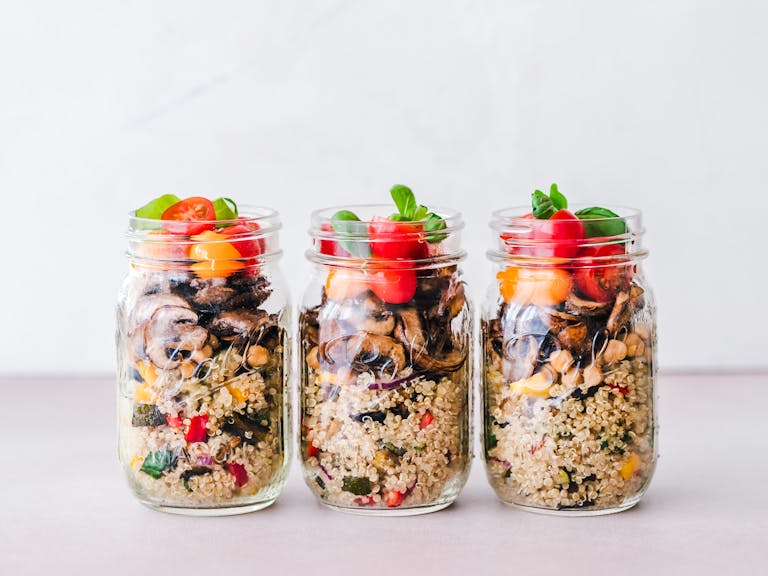
- Lean proteins: chicken, turkey, lean beef, fish, tofu, tempeh, beans, lentils, eggs, Greek yogurt, cottage cheese
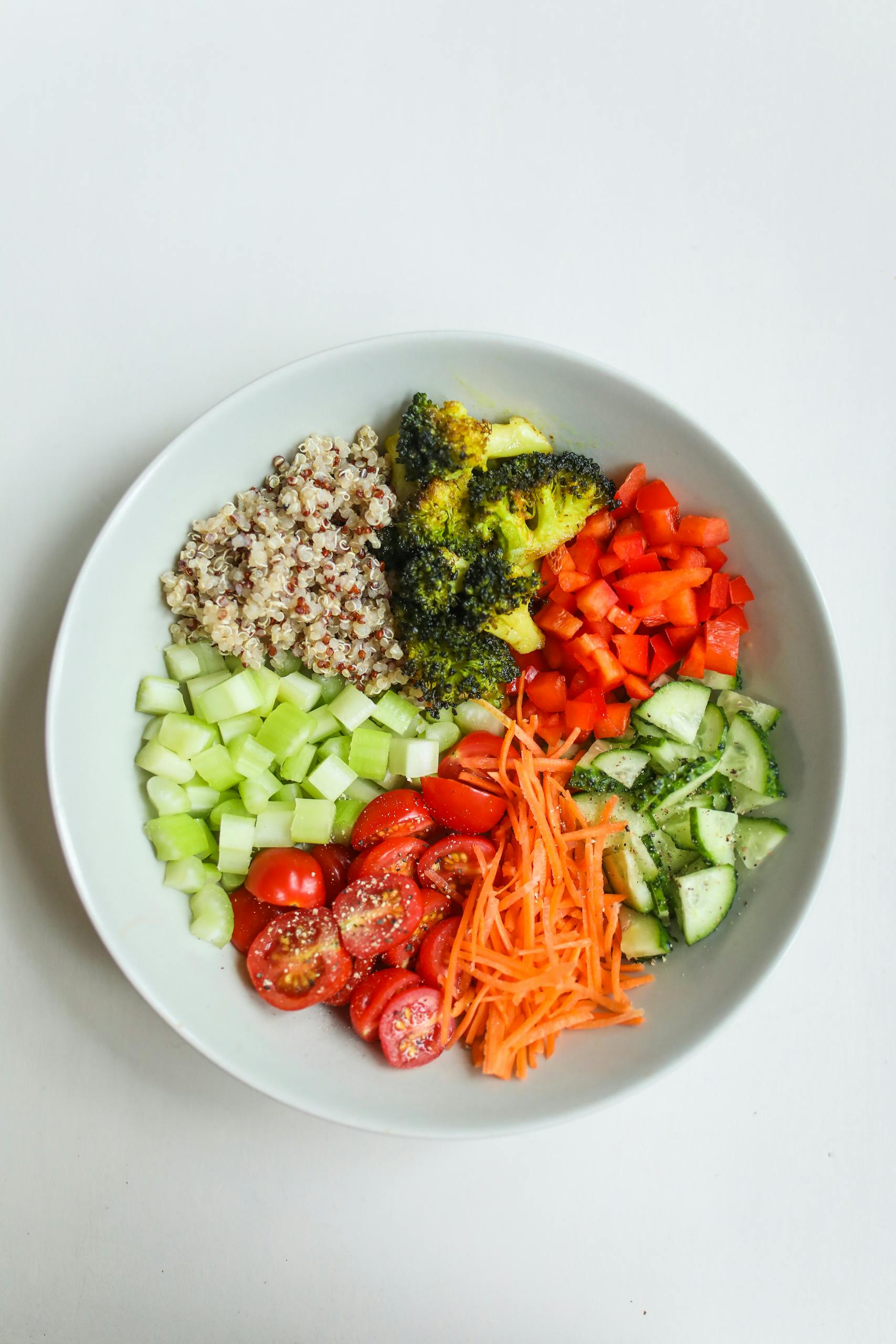
- Vegetables: leafy greens, broccoli, cauliflower, carrots, peppers, tomatoes, onions, Brussels sprouts, zucchini, etc.
- Fruits: apples, oranges, berries, melons, kiwi, peaches, plums, pears, etc.
- Legumes: chickpeas, black beans, kidney beans, peas, green beans, lentils
- Nuts: walnuts, almonds, cashews, pistachios, hazelnuts, pecans, macadamia nuts
- Seeds: pumpkin seeds, chia seeds, flax seeds, hemp seeds
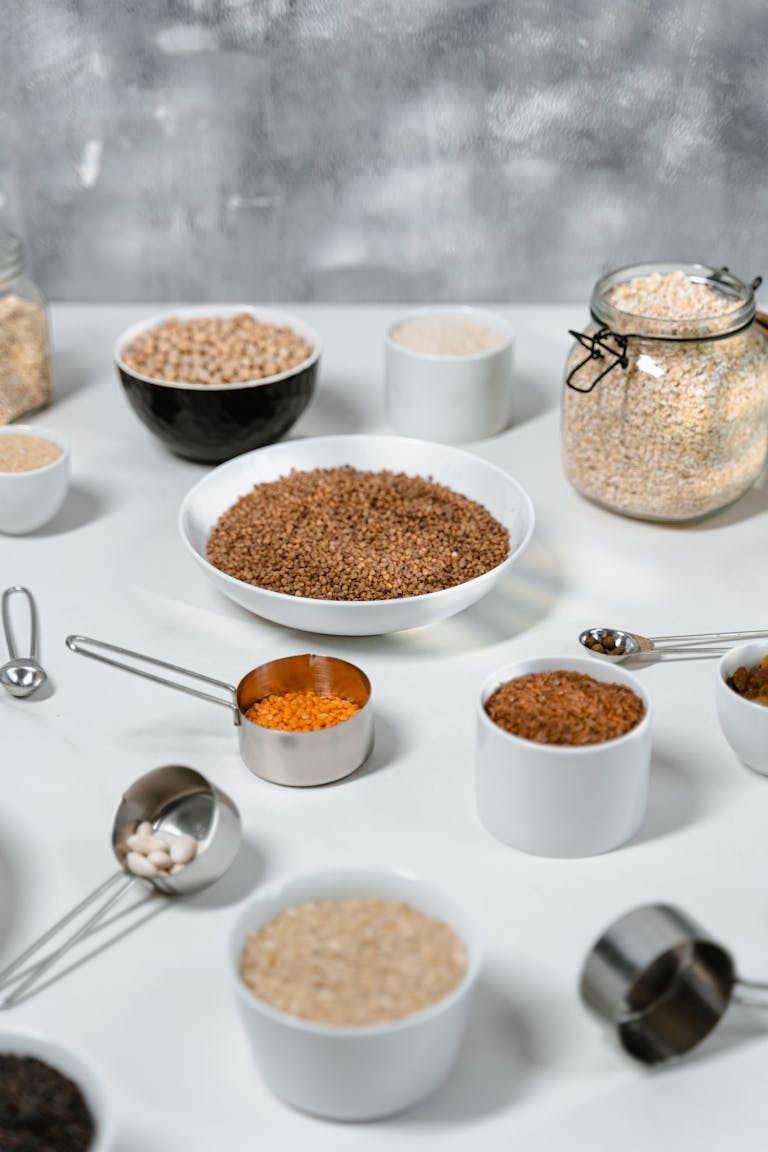
- Whole grains: oats, barley, farro, quinoa, brown rice, whole-grain bread, millet
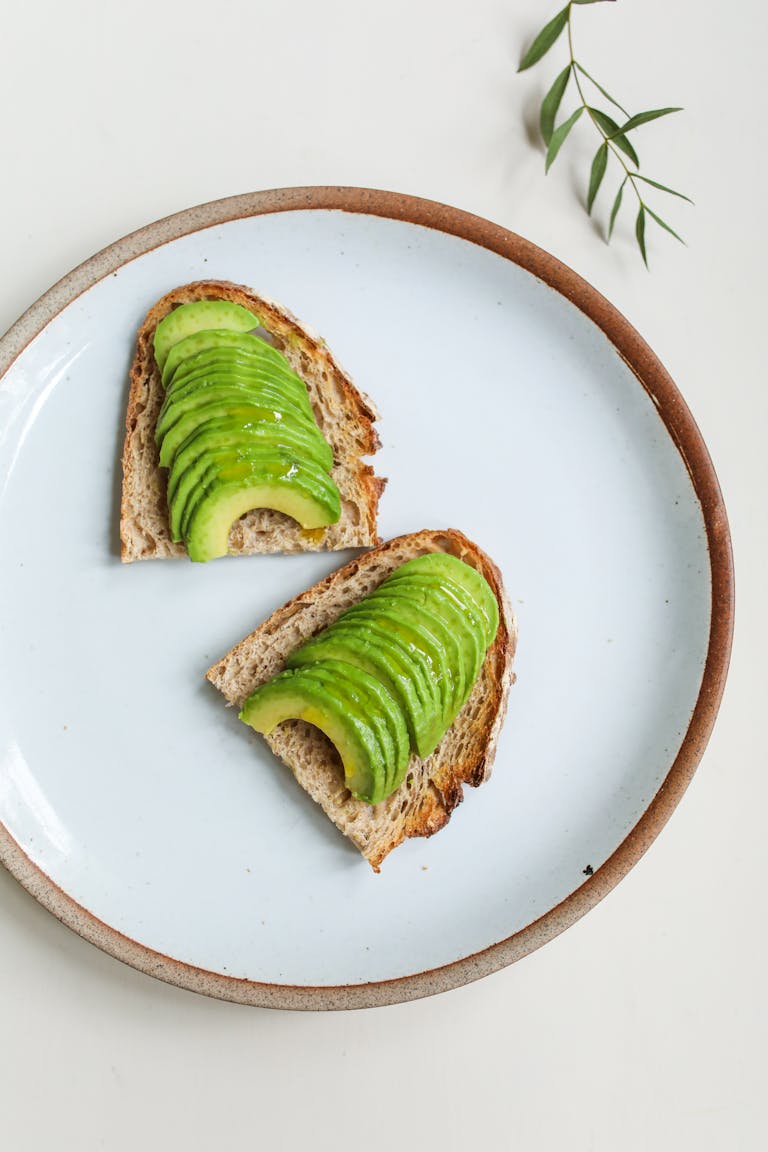
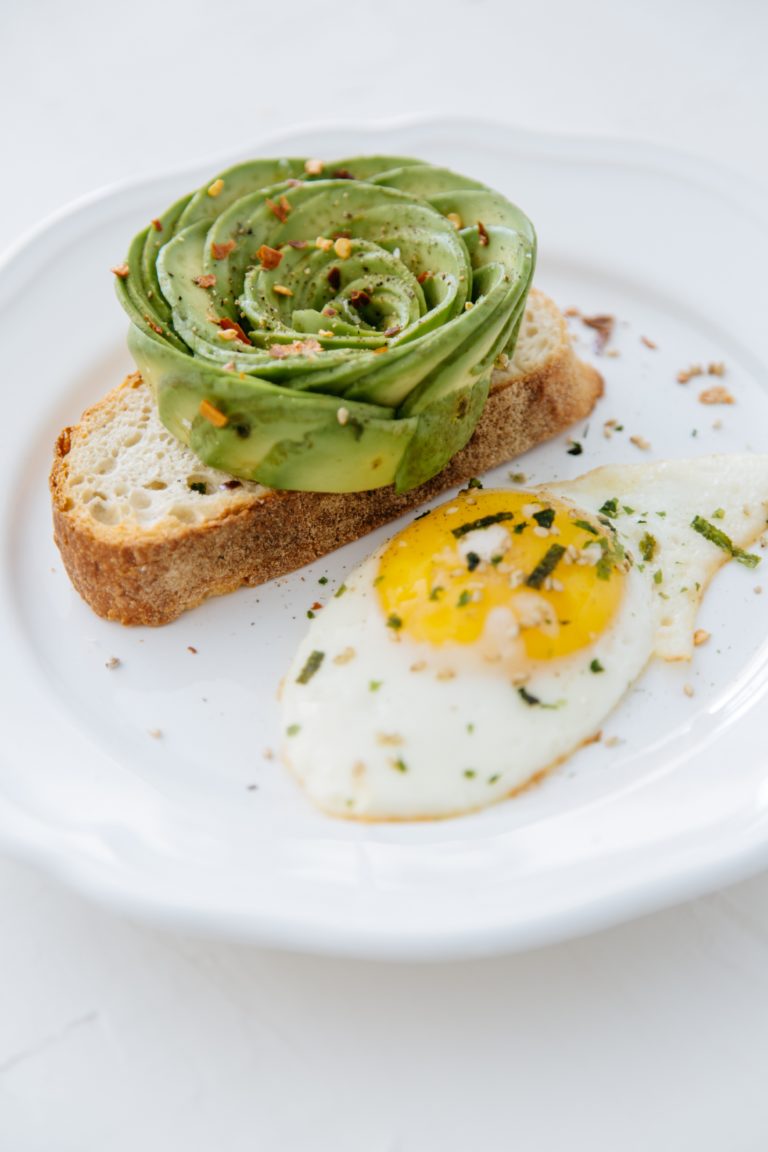
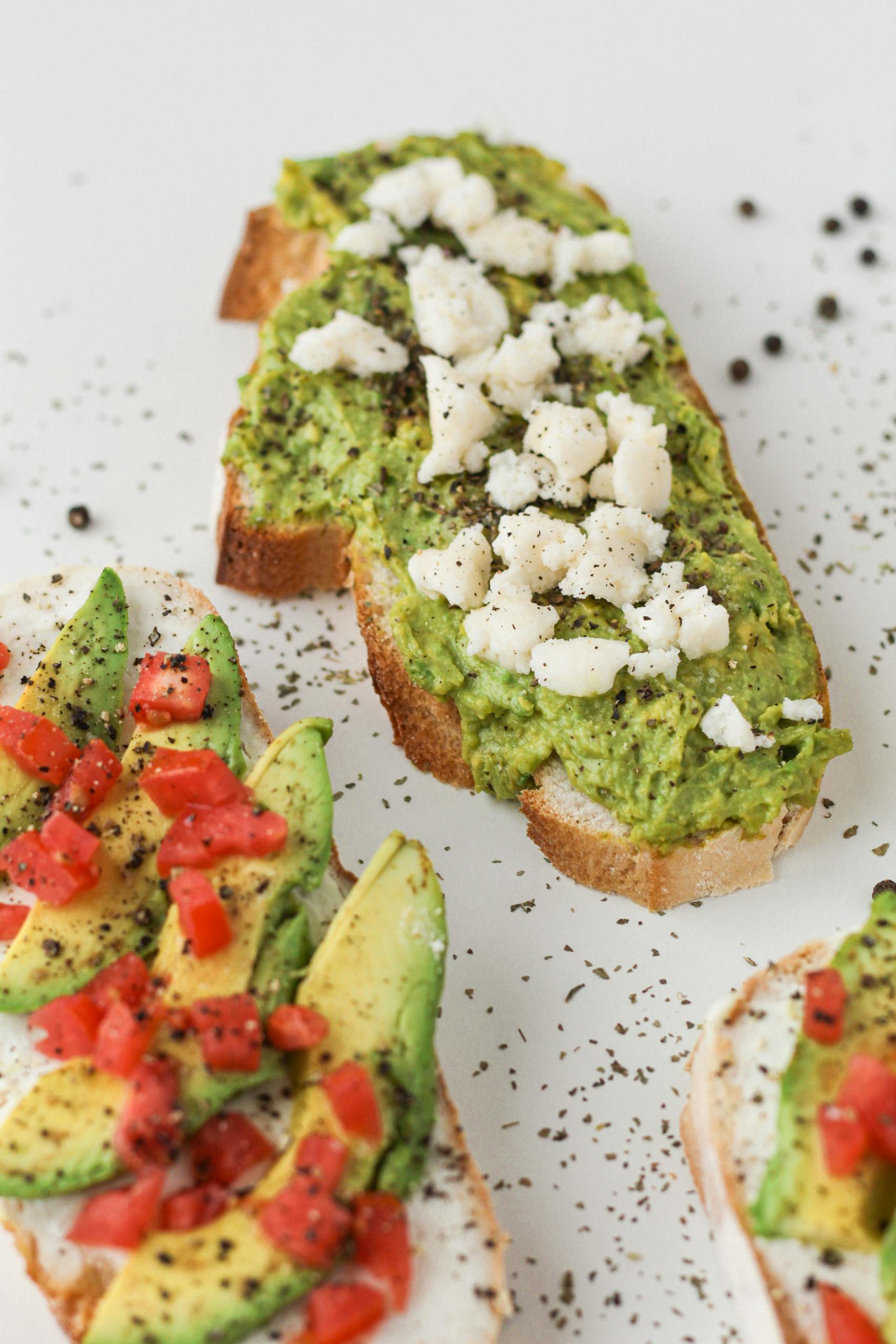
- Healthy fats: olive oil, avocados, nuts, seeds, nut butter
- Beverages: water, seltzer, unsweetened tea, black coffee
Foods to limit or avoid
Because your appetite is reduced on GLP-1s, every bite counts. Limiting less nutritious, highly processed foods helps you make the most of smaller portions while avoiding blood sugar spikes and digestive discomfort.
Here are a few foods to limit or avoid on a GLP-1 diet:
- Processed snacks: chips, crackers, fruit snacks, granola bars
- Sugary foods: cookies, cupcakes, candies, packaged pastries, donuts, cakes
- Refined grains: white bread, white pasta, white rice, instant noodles
- Processed meats: hot dogs, bacon, deli meats, sausage, salami, pepperoni
- Other foods: fast food, frozen meals, deep-fried foods
Sample GLP-1 diet meal plan
A balanced meal plan makes it easier to meet your nutritional needs without feeling overwhelmed. This sample GLP-1 diet meal plan focuses on balanced, satisfying meals that prioritize protein, fiber, and steady energy throughout the day. Use it as a flexible template and adjust to fit your own personal preferences.
Day 1
- Breakfast: oatmeal with walnuts, hemp seeds, and banana slices
- Lunch: Roasted Tofu Veggie Bowl with Creamy Sunflower Sauce
- Dinner: baked salmon with herby couscous and asparagus
- Snacks: hard-boiled egg with salt and pepper; fruit salad; hummus and veggies
Day 2
- Breakfast: Zucchini Waffles topped with Greek yogurt and strawberries
- Lunch: grilled chicken with brown rice and broccoli
- Dinner: lentil soup with side salad and whole-grain bread
- Snacks: cottage cheese with peaches; apples with peanut butter; mixed nuts
Day 3
- Breakfast: omelette with peppers and mushrooms
- Lunch: Greek Salad Sandwiches with oven-roasted potatoes
- Dinner: burrito bowls with fajita veggies
- Snacks: homemade granola; Greek yogurt with fruit; air-popped popcorn
Day 4
- Breakfast: chia pudding with mixed fruit and chopped almonds
- Lunch: shrimp stir-fry with broccoli, snap peas, and brown rice
- Dinner: Vegan Mac & Cheese with Tempeh Bacon
- Snacks: guacamole with bell peppers; energy bites; string cheese with fruit
Day 5
- Breakfast: scrambled eggs with whole-wheat toast and avocado
- Lunch: Walnut and Lentil Baked Tacos
- Dinner: tofu curry with mixed vegetables and jasmine rice
- Snacks: peanut butter banana toast; garlic kale chips; roasted chickpeas
Exercise considerations
When you’re taking GLP-1s, strength training should be a priority to help preserve lean muscle mass as you lose weight. Even two to four sessions per week of resistance exercises using dumbbells, weight machines, or your own bodyweight can make a meaningful difference.
Pairing adequate protein intake with strength training helps protect against muscle loss as your weight changes.
In addition to resistance training, low-impact cardio like walking, cycling, or swimming can support heart health, blood sugar control, and energy levels.
Because GLP-1s can cause fatigue or nausea in some people, it’s important to listen to your body and gradually build intensity. Staying hydrated and eating a small, balanced snack before workouts can also help you feel stronger and more stable during exercise.
FAQ
More helpful articles
Conclusion
Following a GLP-1 diet doesn’t have to be complicated. By focusing on nutrient-dense foods, prioritizing protein and fiber, and building more balanced meals, you can support your health while getting the most from your medication. Over time, small, consistent habits like staying active and focusing on whole foods can slowly stack up, making a meaningful difference in how you feel and your results.