
Dietary Fiber 101: Benefits of Fiber, Food Sources, and How Much You Need
Tucked inside beans, berries, whole grains, and veggies, fiber does so much more than just keep you regular. From supporting heart health and balancing blood sugar levels to feeding the trillions of microbes inside your gut, the benefits of fiber extend to many of your body’s most important functions.
And yet, most people fall short on their intake, even despite years of dietary advice encouraging more fiber-rich whole foods. In fact, research shows that the average American gets around 12-20 grams of fiber per day, a fraction of the daily 25-35 grams that’s recommended. The gap between what we should be eating and what we actually eat can have real consequences, contributing to digestive issues, metabolic problems, and an increased risk of chronic disease.
So what exactly is fiber, and why does it matter so much? In this article, we’ll break down the different types of fiber, explore its evidence-backed benefits, highlight the best food sources, and discuss how much you really need, along with how to increase your intake without upsetting your stomach in the process.
What is fiber?
Fiber is a type of carbohydrate found in plant foods that your body doesn’t fully break down or absorb. Unlike sugars and starches, which are converted into glucose for energy, fiber passes through your intestines mostly intact.
Fiber is typically grouped into two categories, which differ in terms of their physical properties and effects on health:
- Soluble fiber dissolves in water to form a gel-like substance
- Insoluble fiber does not dissolve and tends to add bulk

Benefits of fiber
Upping your intake of fiber has been linked to a long list of possible benefits.
1. Promotes regularity
Fiber is absolutely essential when it comes to staying regular. Insoluble fiber adds bulk to stool, which helps stimulate the natural contractions that keep things flowing. Meanwhile, soluble fiber pulls in water and forms a soft gel, making stool easier and more comfortable to pass. Together, they create the ideal balance of bulk and softness, helping prevent both sluggish constipation and loose stools.
2. Supports weight loss
High-fiber foods move through your digestive tract slowly, keeping you fuller for longer to curb cravings. They also add bulk to your plate without packing in extra calories, helping you eat a little less while still feeling nourished. Over time, consistently choosing fiber-rich foods can support healthier portion control, promote weight loss, and make sticking to a balanced eating pattern even easier.
3. Enhances heart health
Soluble fiber has been shown to help lower LDL (“bad”) cholesterol by binding to it in the digestive tract, which may reduce the risk of plaque buildup in arteries. Fiber-rich diets are also linked to healthier blood pressure, better blood sugar control, and lower inflammation, all key factors for heart health.
4. Balances blood sugar
Fiber plays a key role in keeping blood sugar steady. Soluble fiber slows the digestion and absorption of carbohydrates, which helps prevent sharp spikes in blood sugar levels. This steady release gives your body more time to manage insulin effectively, reducing stress on the pancreas and lowering the risk of energy crashes.
5. May be tied to a lower risk of cancer
Fiber may help reduce the risk of certain cancers, particularly colorectal cancer. Not only are fiber-rich foods typically rich in antioxidants and other beneficial nutrients, but they also feed your gut bacteria, producing short-chain fatty acids that help maintain a healthy colon environment and support normal cell function. While fiber certainly isn’t a magic bullet, a diverse diet rich in healthy plant foods could be useful for cancer prevention.
6. Improves gut health
Fiber is a powerhouse for your gut, serving as fuel for the trillions of microbes that keep your digestive system running smoothly. These microbes ferment certain types of fiber and produce short-chain fatty acids that reduce inflammation and support a balanced microbiome. A healthy, high-fiber diet helps these beneficial bacteria thrive, which can improve digestion, enhance nutrient absorption, and even influence immune function.
Join the List
Subscribe
How much fiber do you need?
Most adults should aim for about 25-38 grams of fiber per day, depending on age, sex, and overall calorie needs. General guidelines suggest around 25 grams daily for women and 38 grams for men, with slightly lower targets after age 50. Another useful rule of thumb is about 14 grams of fiber for every 1,000 calories consumed.
That said, most people are eating a lot less fiber than they actually need. If you’re currently following a low-fiber diet, it’s best to increase your intake gradually and drink plenty of water to help your digestive system adjust. Jumping from very little fiber to a high-fiber intake overnight can lead to gas, bloating, and discomfort, a sign your gut might need some extra time to catch up.
Top food sources of fiber
Fiber is found in most plant foods, but some sources pack a much bigger punch than others. In general, the less processed an ingredient is, the more fiber it tends to contain. Whole, intact foods — rather than juices, refined grains, or heavily processed snacks — are your best bet.
Some of the best sources of fiber include:
- Fruits: apples, oranges, kiwi, berries, melon, grapes, bananas
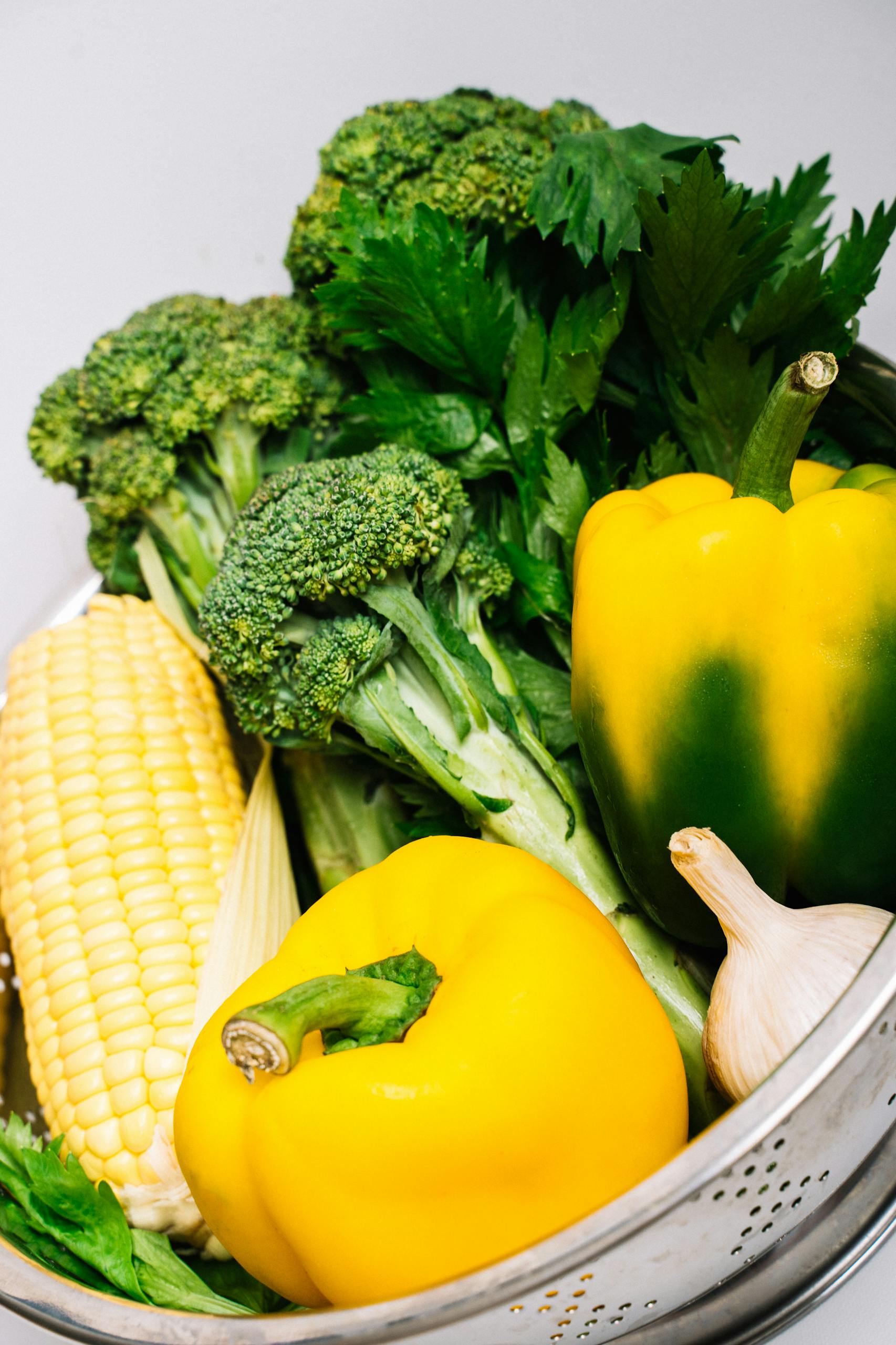
- Vegetables: kale, broccoli, carrots, sweet potatoes, squash, peppers
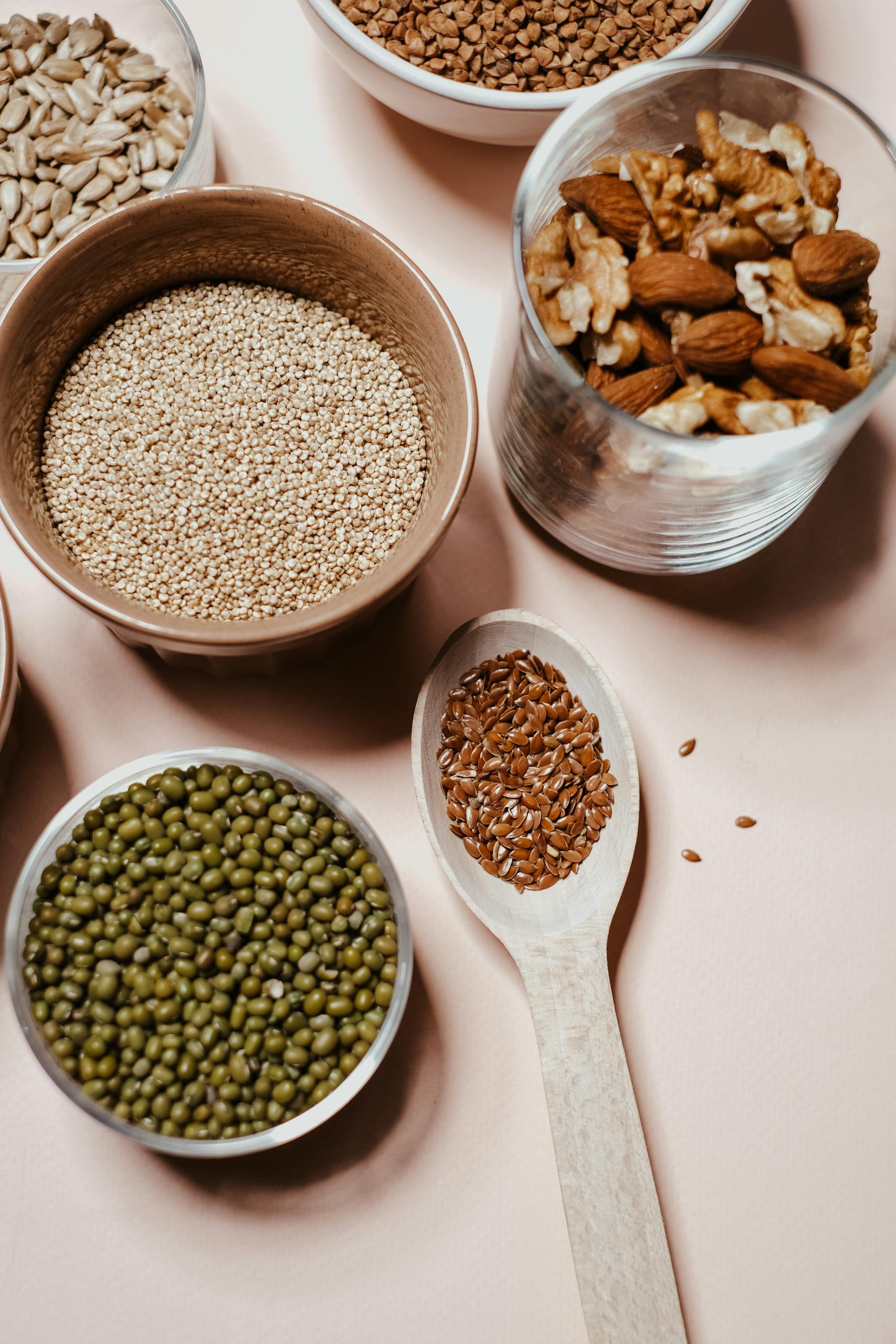
- Whole grains: oats, quinoa, brown rice, millet, barley, farro
- Legumes: beans, chickpeas, lentils, edamame, peas
- Nuts: almonds, walnuts, pistachios, cashews, hazelnuts
- Seeds: chia seeds, flax seeds, pumpkin seeds, hemp seeds, sunflower seeds
What about fiber supplements?
Fiber supplements can be especially useful for people with constipation, certain digestive disorders, or those who struggle to meet fiber needs through food alone.
However, while supplements can be an easy way to increase your intake of fiber, they shouldn’t be used as a substitute for fiber from whole foods. This is because supplements typically provide one or two isolated types of fiber, whereas plant foods contain a wide spectrum, along with vitamins, minerals, antioxidants, and other beneficial compounds.
If you do decide to try a fiber supplement:
High-fiber recipes
Ready to add more fiber to your daily diet? Here are a few easy fiber-rich recipes to try:
- Quinoa Superfood Ensalada
- One-Pot Creamy Veggie Pasta
- Cheesy Walnut and Lentil Baked Tacos
- Lemon Parmesan Roasted Brussels Sprouts
- Sweet Potato and Kale Couscous Bowl

FAQ
Conclusion
From supporting digestion to boosting satiety and keeping blood sugar steady, fiber is a key nutrient in your daily diet. Luckily, it’s found in a variety of foods, including fruits, veggies, whole grains, and legumes. Adding more fiber-rich ingredients to your plate can be a smart, simple strategy to help keep you regular, manage your weight, enhance heart and gut health, and enjoy the many benefits of fiber.