5 Best Foods for Gut Health and Digestion
Gut health plays an important role in just about every aspect of health, from digestion and nutrient absorption to immune function and even energy levels. Incorporating a few of the best foods for gut health into your daily diet is a smart way to balance your microbiome and promote better digestion.
In this article, we’re highlighting the best foods for gut health — including fruits, veggies, healthy fats, fermented foods, and foods high in fiber and polyphenols — to help you build a diet that promotes long-term digestive balance.
You’ll also find a sample meal plan, tips for building a gut-healthy plate, and some simple recipes to help you get started.
Why gut health matters
Deep inside your digestive tract is a vast community comprised of trillions of microorganisms, collectively known as the gut microbiome. These bacteria, fungi, and other microbes help your body break down food, produce certain vitamins, and absorb nutrients.
But your gut does so much more than just digest and absorb food. In fact, research shows that gut health is also closely linked to immunity, and 70-80% of your immune cells are actually found right in your gut.
When your gut microbiome is balanced, it helps regulate inflammation and protects against harmful pathogens. But when that balance is disrupted, it could contribute to digestive discomfort, weakened immunity, and chronic inflammation.
Your gut health can also influence areas you might not immediately associate with digestion, like your mood and energy levels.
Through what’s known as the gut-brain connection, your digestive system communicates with your brain via nerves, hormones, and chemical signals produced by gut microbes. This relationship is why digestive health can sometimes impact how you feel both physically and mentally.
Interestingly, studies show that disruptions in your gut microbiome may also be linked to a variety of conditions, including:
- obesity
- type 2 diabetes
- fatty liver disease
- Crohn’s disease
- ulcerative colitis
- certain types of cancer
A balanced diet can nourish the beneficial bacteria in your gut and promote digestive health. Over time, even small changes to your diet can stack up, leading to better digestive comfort and overall well-being.
Prebiotics vs. probiotics
When exploring the best foods for gut health, you’ll often come across the terms “prebiotics” and “probiotics.” While they sound similar, they play different but complementary roles in supporting a healthy gut.
- Probiotics are a type of beneficial bacteria that support digestion, strengthen immunity, and crowd out harmful bacteria. Probiotics are naturally found in fermented foods such as yogurt, kefir, sauerkraut, kimchi, and miso.
- Prebiotics are types of fiber that act as food for the healthy bacteria in your gut. They aren’t digested by your body directly, but instead stimulate the growth of helpful microbes. Common prebiotic-rich foods include garlic, onions, leeks, asparagus, bananas, oats, and whole grains.
It’s best to include a good mix of probiotics and prebiotics in your daily diet to support digestion. Many of the best foods for gut health either provide beneficial bacteria, feed them, or do both.
Best foods for gut health
Here are some of the best foods for gut health to promote digestion and balance your microbiome.
1. Fermented foods
Fermented foods are often considered some of the best foods for gut health because they naturally contain beneficial bacteria that can help balance your gut microbiome.
During fermentation, microorganisms break down the sugars and starches in food, producing compounds that can promote healthy digestion.
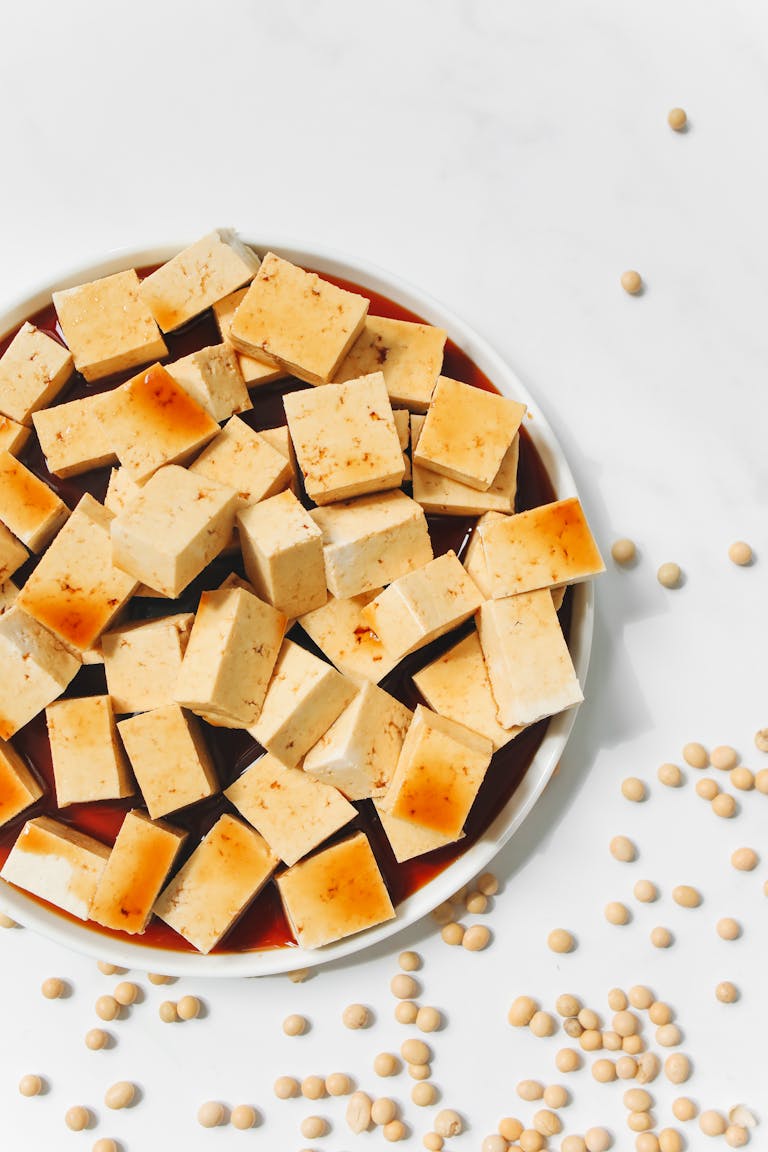
Because of this, fermented foods like yogurt, kefir, sauerkraut, kimchi, miso, and tempeh are loaded with probiotics, or microbes that can replenish beneficial bacteria in your digestive tract.
2. Healthy fats
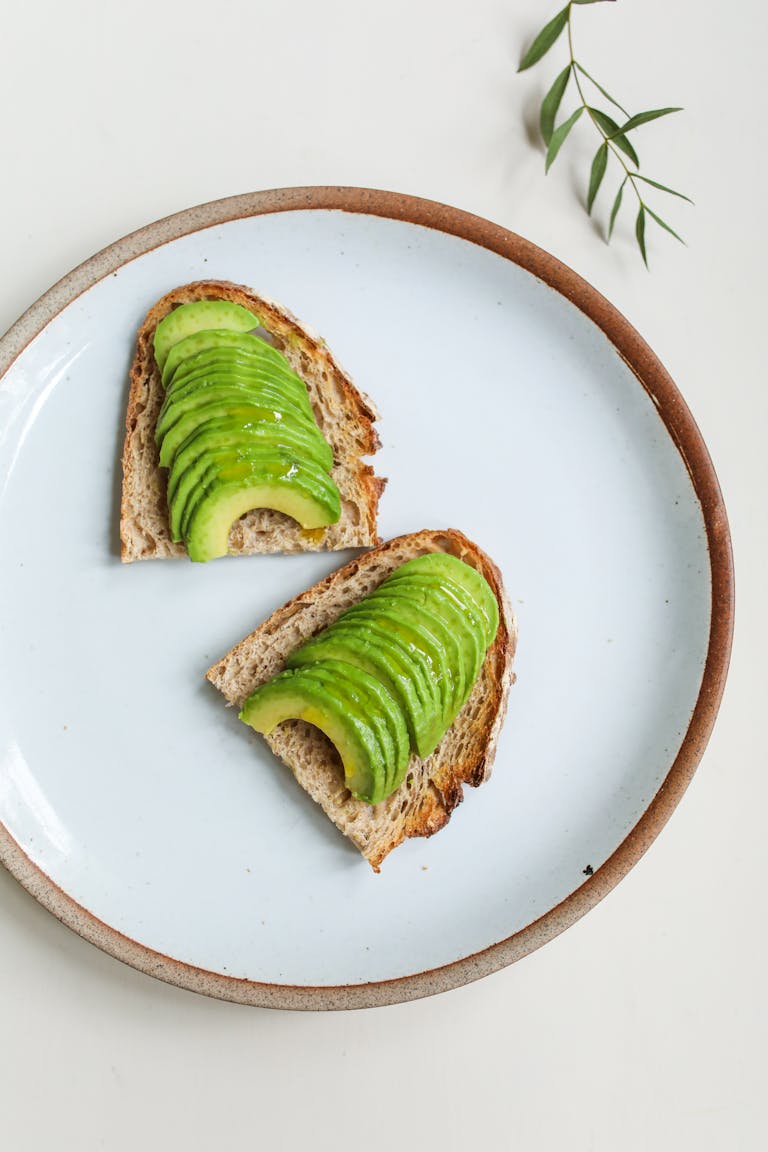
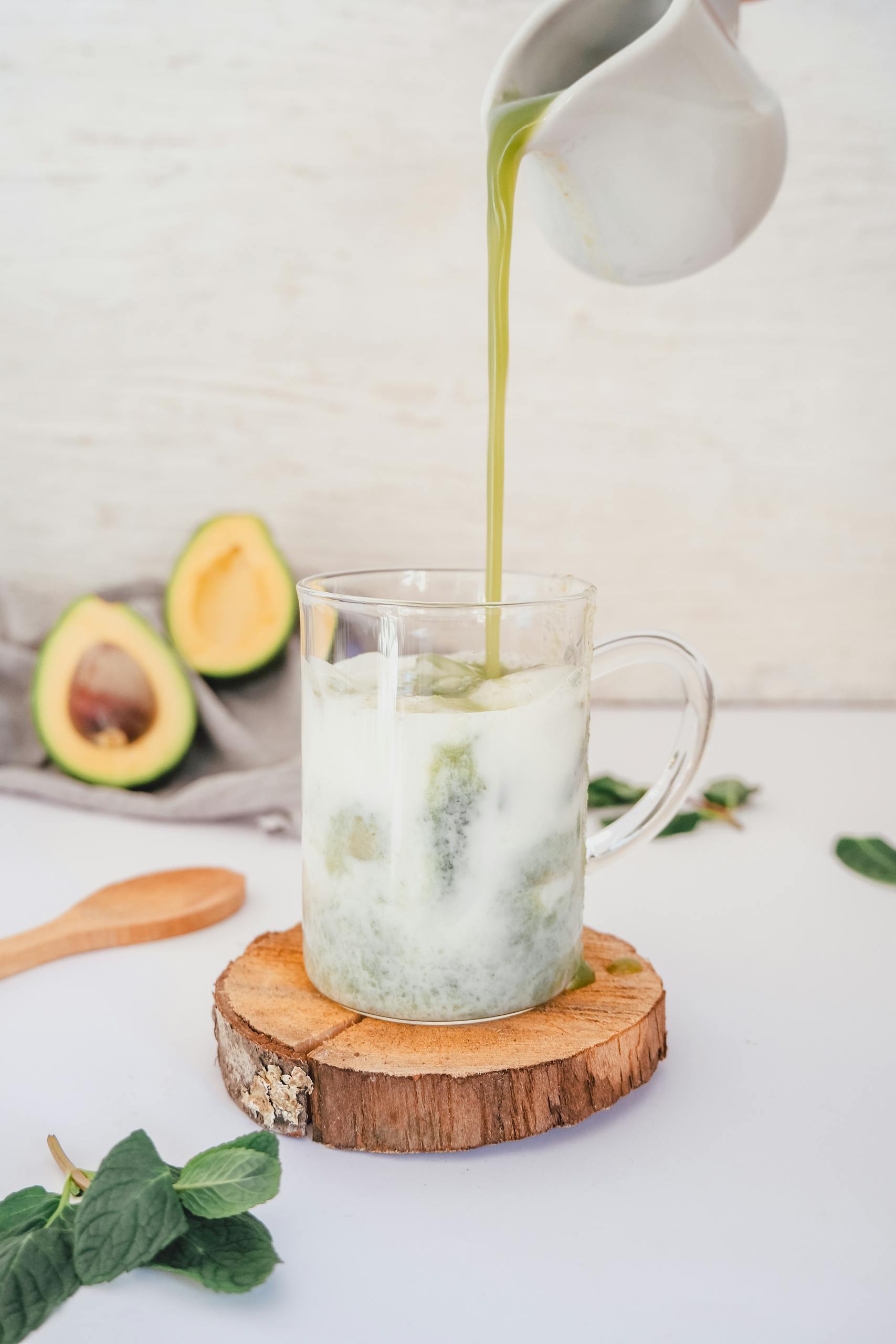
Healthy fats — often found in foods like avocados, olive oil, nuts, seeds, and fatty fish — can balance the gut microbiome and boost the absorption of fat-soluble vitamins, including vitamins A, D, E, and K.
What’s more, some research suggests that diets rich in unsaturated fats (including omega-3s) can promote the growth of beneficial gut bacteria and reduce inflammation in the digestive tract.
3. Fruits and veggies
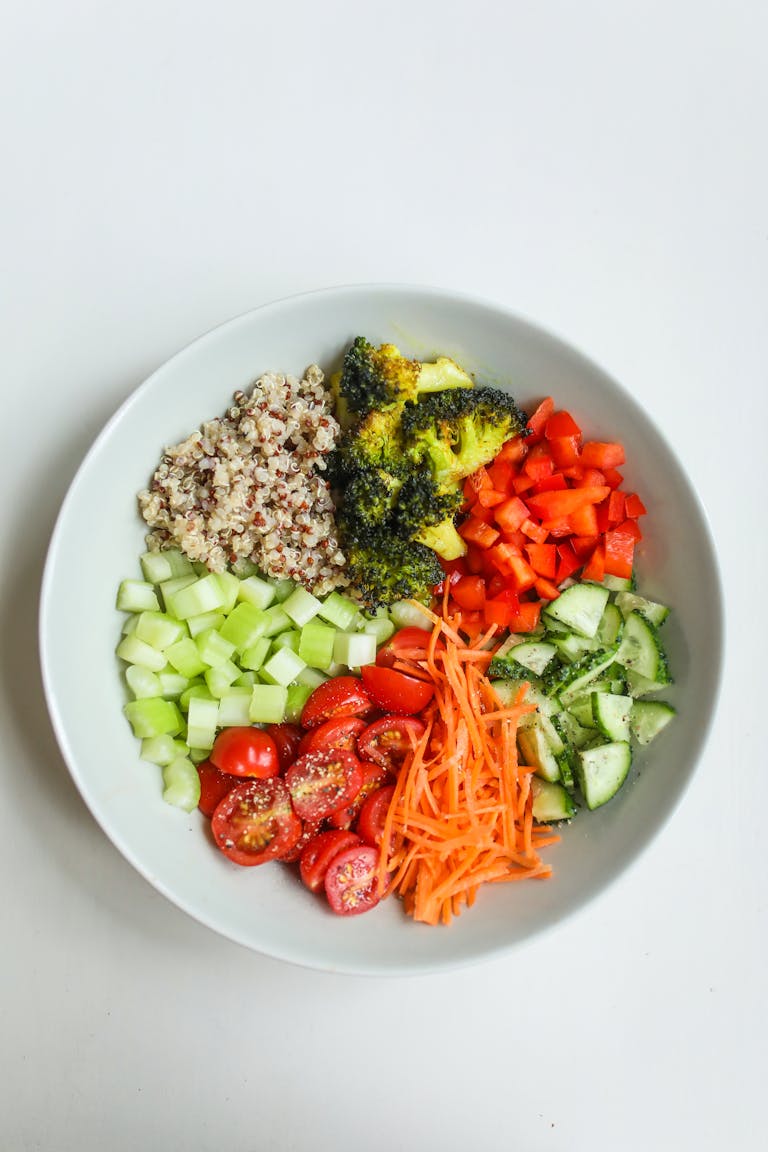
Fruits and vegetables are a great source of fiber, vitamins, minerals, and plant compounds, all of which can support a healthy digestive system.
The fiber found in many fruits and vegetables acts as a prebiotic, feeding beneficial gut bacteria and helping them thrive.
Foods like berries, leafy greens, broccoli, apples, and bananas can also promote microbial diversity in the gut, which is associated with better digestion and overall health.
4. High-fiber foods
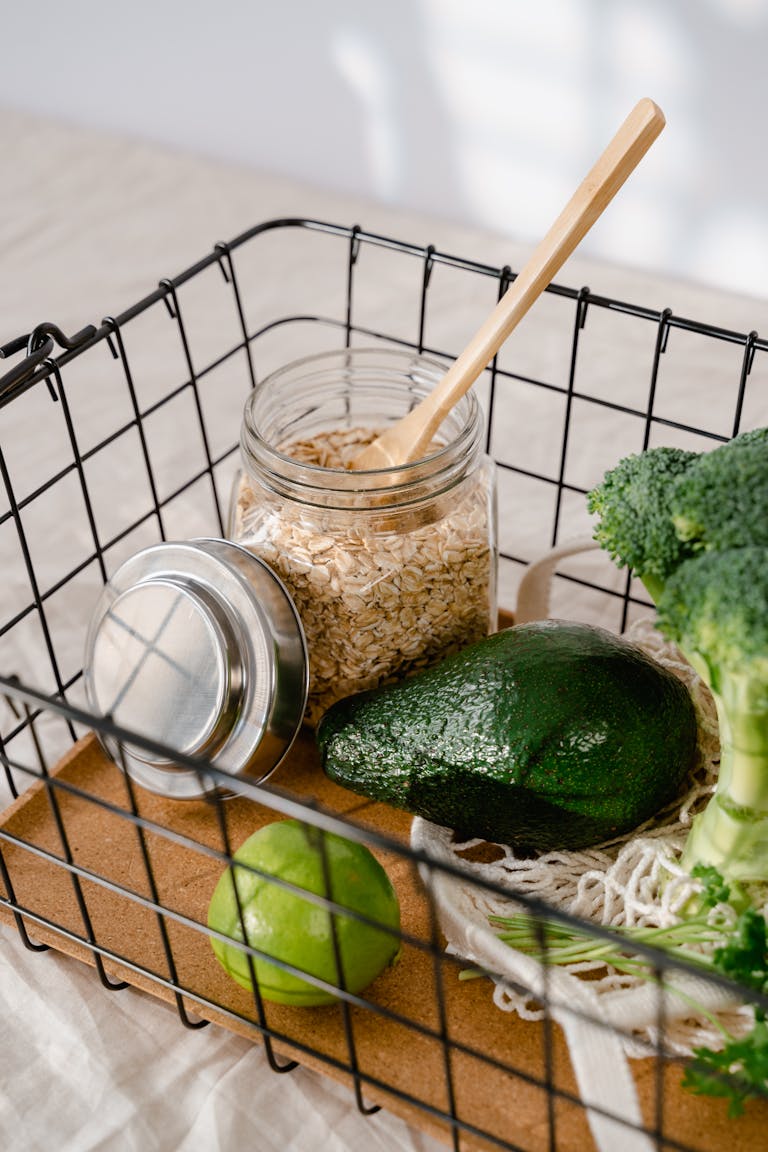
Fiber-rich foods like whole grains, beans, lentils, nuts, seeds, and legumes can promote regular bowel movements and maintain a healthy digestive tract.
Many of these foods also contain prebiotic fibers that provide fuel for the beneficial bacteria in your gut, encouraging a more balanced microbiome.
Regularly including high-fiber foods in your meals can improve digestion, boost your microbiome, and promote overall gut health.
5. Polyphenol-rich foods
Polyphenols are plant compounds that act as antioxidants and reduce inflammation while also promoting the growth of beneficial bacteria in your digestive tract.
Many polyphenols aren’t fully absorbed in the small intestine, which allows them to reach the colon where they can interact with and support the gut microbiome.
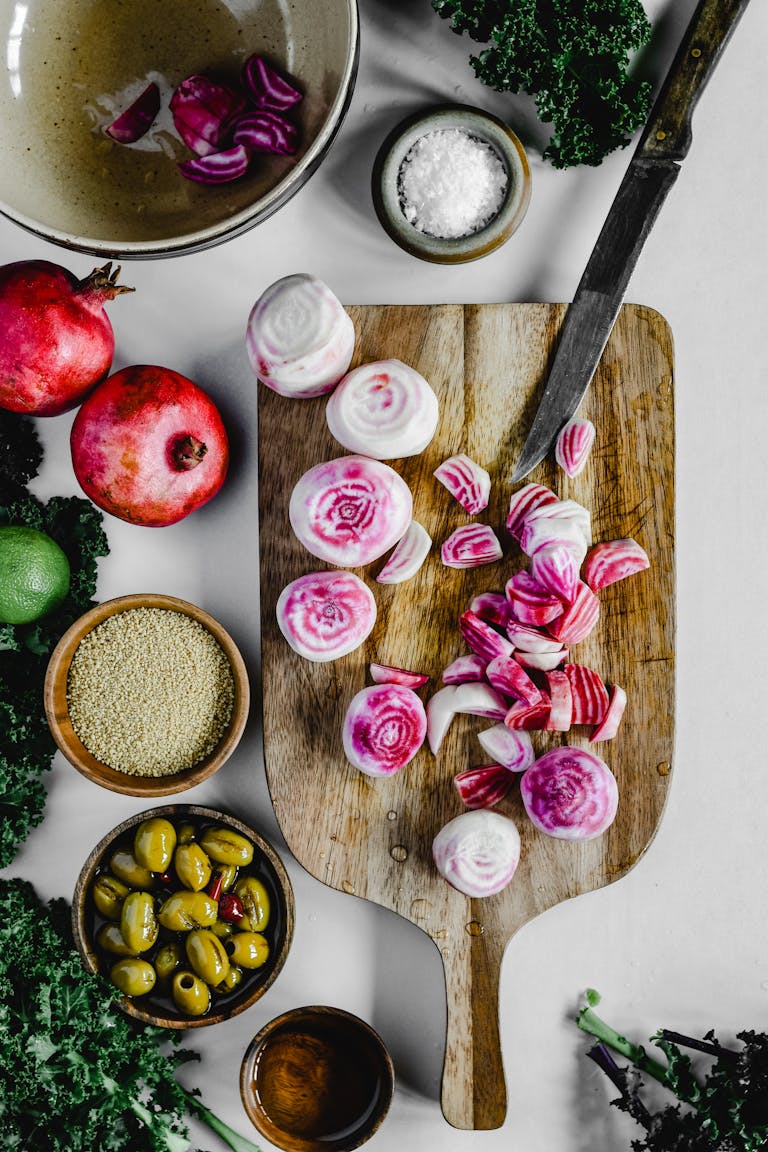
Foods such as berries, green tea, dark chocolate, olives, and colorful fruits and veggies are all stellar sources of these gut-healthy compounds.
Join the List
Subscribe
Foods that can disrupt gut health
Just as important as enjoying a variety of gut-friendly foods is limiting those that can negatively impact digestion. Here are a few examples of foods that can disrupt gut health:
- Added sugar: soda, candies, sweets, donuts, cookies, sugary cereals
- Refined grains: white bread, white pasta, instant noodles, pastries
- Processed meats: bacon, sausage, salami, deli meats, pepperoni
- Highly processed foods: chips, crackers, fast food, frozen meals, packaged baked goods
Sample gut-friendly meal plan
If you’re looking for a simple way to start eating for better digestion, here’s a sample gut-friendly meal plan to help you put the principles of gut health into practice.
Day 1
- Breakfast: whole-grain toast with avocado and scrambled eggs
- Lunch: Veggie Burgers with roasted broccoli
- Dinner: baked salmon with herbed quinoa and sweet potatoes
- Snacks: Greek yogurt with chia seeds and strawberries; trail mix
Day 2
- Breakfast: breakfast burrito with eggs, mushrooms, peppers, and potatoes
- Lunch: chicken pasta primavera and side salad
- Dinner: Smoky Chipotle Southwest Salad Bowl
- Snacks: dark chocolate-covered almonds; veggies and hummus
Day 3
- Breakfast: oatmeal with blueberries, flaxseed, and chopped walnuts
- Lunch: Roasted Chickpea and Potato Kale Bowl with Creamy Avocado Dressing
- Dinner: tuna salad sandwich with roasted tomato soup
- Snacks: fruit and spinach protein smoothie; apple with peanut butter
Gut-Healthy Recipes to Support Digestion
Tips for building a gut-healthy plate
FAQ
More helpful articles
Conclusion
Better gut health starts on your plate. By focusing on fiber-rich fruits and veggies, whole grains, legumes, healthy fats, fermented foods, and polyphenol-rich ingredients, you can help nourish the beneficial bacteria in your gut and promote better digestion.
At the same time, limiting highly processed foods and added sugars can further support a balanced microbiome.
With just a few small tweaks to your daily diet, you can build long-term habits that support gut health.