
7 Best Foods to Reduce Brain Fog
Brain fog can make even simple tasks feel harder than they should. From trouble concentrating to forgetfulness and low mental energy, many factors can contribute to that sluggish feeling, including poor sleep, stress, dehydration, and diet. Even though there’s no quick fix or cure-all, the best foods to reduce brain fog can support brain function by providing key nutrients that help stabilize blood sugar, reduce inflammation, and fuel your brain throughout the day.
In this list, we’ll cover 7 of the best options to include in your routine if you’re looking to feel more focused, alert, and mentally sharp.

How diet impacts brain fog
What you eat can have a huge impact on your mental clarity, focus, and overall brain health.
For example, diets that are low in important nutrients, high in processed foods, or heavy in added sugar can contribute to sluggish thinking, fatigue, and the mental haze often known as brain fog.
On the other hand, including nutrient-dense foods in your daily diet helps provide the vitamins, minerals, and healthy fats your brain needs to function at its best.
Choosing the best foods to reduce brain fog means prioritizing options that support steady blood sugar, ease inflammation, and supply key nutrients like omega-3 fatty acids, antioxidants, and B vitamins.
By consistently incorporating these foods into your meals and snacks, you can help your brain stay sharp and alert throughout the day.
Top 7 foods to reduce brain fog
Adding a few brain-boosting foods to your diet can make a big difference for brain fog. Here are a few of the top foods to reduce brain fog.
1. Salmon
Salmon and other fatty fish are loaded with omega-3 fatty acids, a type of healthy fat that can help reduce inflammation in the brain and support mental clarity. According to one review, upping your intake of omega-3s can actually boost blood flow to the brain and enhance learning, memory, and cognitive well-being.
Whether baked, grilled, or poached, adding salmon to your meals a few times a week can give your brain the nutrients it needs to fight fatigue and mental fog.
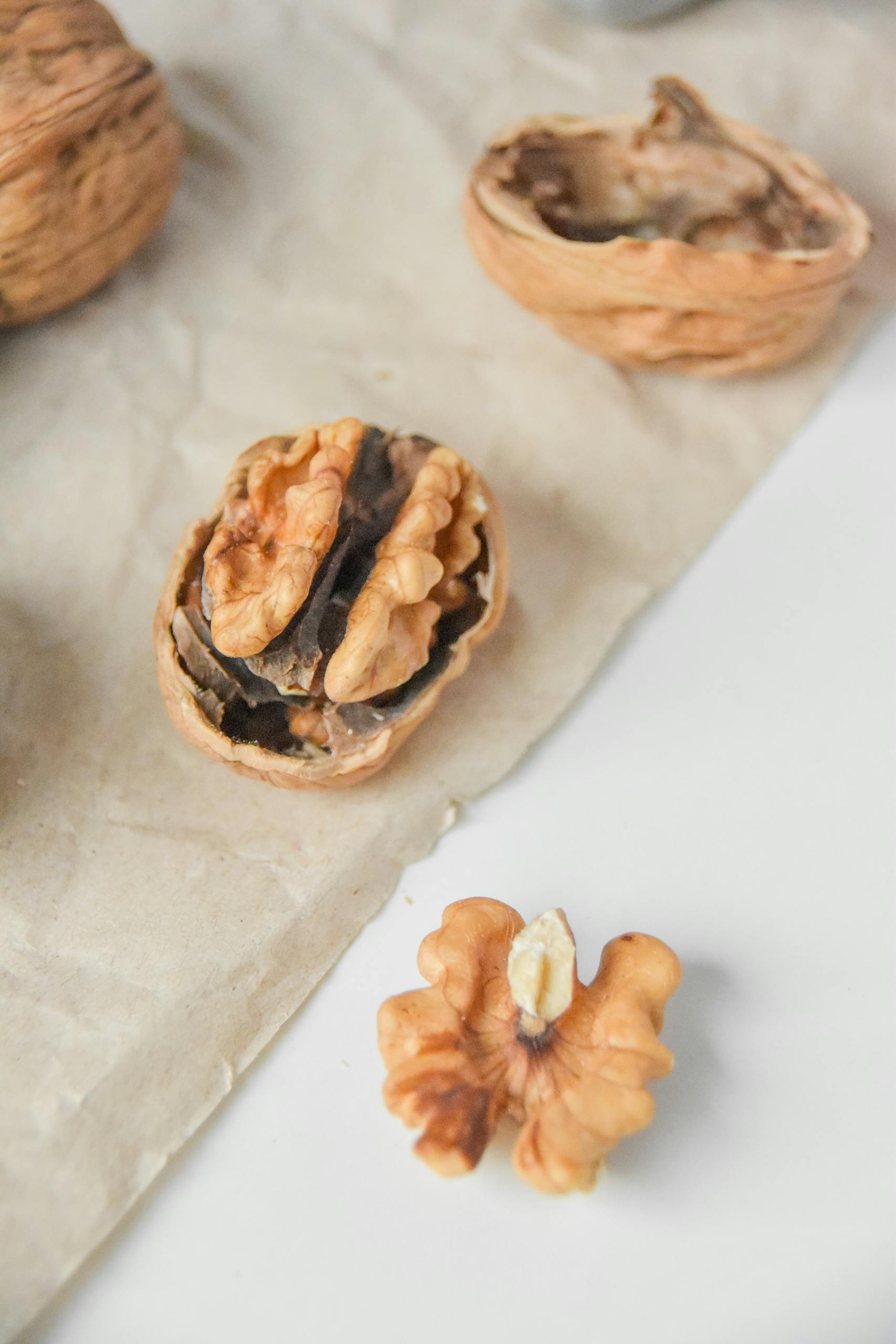
2. Walnuts
Walnuts are a nutrient-dense ingredient packed with omega-3s, antioxidants, and vitamin E, all of which support brain health and cognitive function. Regularly including walnuts in your diet can reduce inflammation, protect brain cells, and improve memory and focus, making them a simple yet powerful food for clearing brain fog.
Try sprinkling walnuts onto oatmeal or yogurt, mixing them into meatballs or veggie burgers, or using them to bump up the nutritional value of salads.
3. Blueberries
Blueberries are jam-packed with antioxidants, particularly flavonoids, which help protect the brain from oxidative stress and inflammation. Including blueberries in your regular rotation could improve memory, support learning, and boost overall cognitive function.
Enjoy blueberries fresh on their own as a tasty snack, toss them into yogurt, blend them into smoothies, or stir them into cottage cheese for extra flavor.
4. Leafy greens
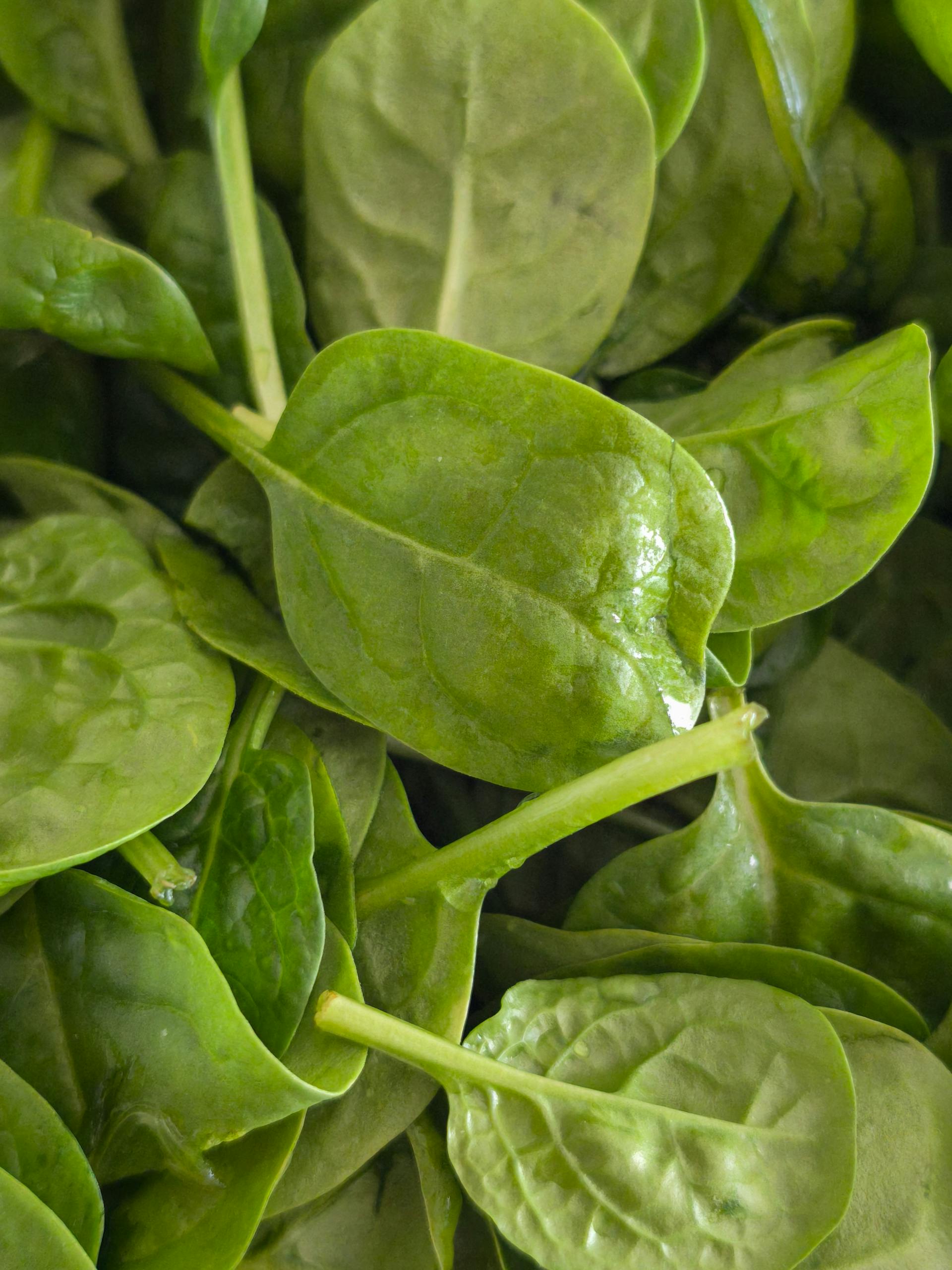
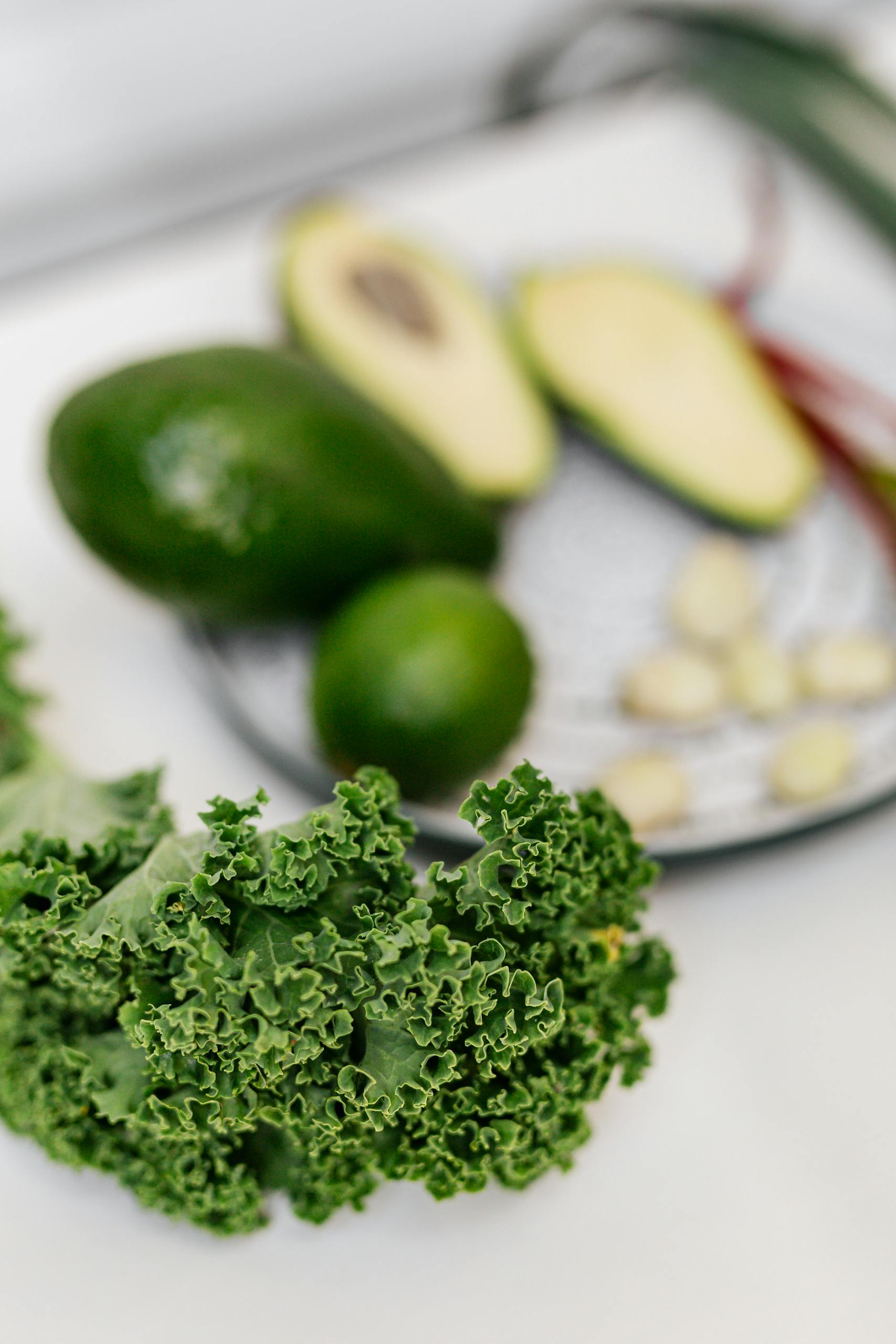
Leafy greens like spinach, kale, and Swiss chard are packed with vitamins, minerals, and antioxidants that support brain health, including vitamin K, lutein, and folate. These nutrients have been shown to slow cognitive decline, reduce inflammation, and promote better brain function.
You can enjoy them in salads, sautéed as a side, blended into smoothies, or added to soups, omelets, and grain bowls for an easy brain-healthy boost.
5. Yogurt
Yogurt is rich in protein and probiotics, which support the health of your gut microbiome, an important factor in brain function. Interestingly enough, a recent study in Medicina reports that improving gut health could actually be key to treating and addressing brain fog.
Mix yogurt with fresh fruit or nuts, swirl it into smoothies, or use it as a base for overnight oats or parfaits for a delicious, brain-friendly snack.
6. Kefir
Kefir is a fermented drink packed with probiotics that support gut health, which in turn can influence brain function and mental clarity. In studies, consumption of kefir has even been tied to decreased inflammation and improved memory, making it a great choice for fighting brain fog.
You can drink kefir on its own, pour it over cereal, or even use it in salad dressings. It also makes a great base for shakes, smoothies, and oatmeal.
7. Olive oil
Olive oil is a great source of monounsaturated fats and antioxidants that support brain health by reducing inflammation and protecting against cognitive decline. Incorporating olive oil into your diet can help maintain memory, focus, and overall mental clarity.
Drizzle olive oil over salads, use it for sautéing veggies, or whip up a bread dip with balsamic vinegar and red pepper flakes for a simple, flavor-filled way to nourish your brain.
Foods to limit or avoid for brain fog
Just as certain foods can help clear mental fog, others can make it worse by spiking blood sugar, increasing inflammation, or disrupting gut health. Being mindful of what to limit or avoid can help you stay sharp, focused, and energized throughout the day.
Here are some foods to limit or avoid for brain fog:
- Sugary snacks: cookies, cakes, candy, packaged pastries
- Highly processed foods: convenience meals, chips, pretzels, fast food, processed meats
- Refined carbs: instant noodles, white bread, white pasta, white rice
- Alcohol (in excess): wine, beer, spirits
Other ways to reduce brain fog
When it comes to brain fog, diet is just one piece of the puzzle. Beyond what you put on your plate, there are several lifestyle strategies that can help reduce brain fog and support clearer thinking:
- Prioritize sleep: Poor sleep can impact focus, memory, and mental clarity, so be sure to aim for 7-9 hours of high-quality sleep each night.
- Stay hydrated: Even mild dehydration can slow cognitive function, so drink water consistently throughout the day.
- Keep stress levels in check: Practices like meditation, deep breathing, or yoga can reduce stress hormones that contribute to mental fatigue.
- Exercise regularly: Physical activity increases blood flow to the brain to support cognitive function.
- Engage your brain: Reading, puzzles, learning a new skill, or other mentally stimulating activities can help keep your brain sharp, especially as you get older.
FAQ
Conclusion
Feeling mentally sluggish can be frustrating, but the right foods and habits can help lift brain fog and sharpen your mind. By focusing on foods that nourish your brain, limiting those that zap energy levels, and prioritizing a healthy lifestyle, you can improve focus, memory, and overall cognitive clarity. Small, consistent changes can stack up fast and make a big difference in feeling sharper and more alert every day.