6 Foods That Help With PMS Symptoms + Sample Meal Ideas
If you’re looking for foods that help with PMS symptoms, you’re not alone. Even though changing your diet isn’t a magic cure for PMS symptoms, pairing nutrient-dense meals with simple lifestyle habits can help with common issues during your period, like bloating, mood swings, cravings, and cramps.
In fact, the right foods can provide key nutrients like magnesium, vitamin B6, omega-3s, fiber, and protein to balance hormones, stabilize blood sugar, and reduce inflammation, making your cycle a little easier to manage.
In this article, we’re diving into the details on how your diet affects PMS, plus the best foods that help with PMS symptoms. We also look at some of the foods you should limit or avoid and cover a few sample meal ideas to help get you going.
Why diet matters for PMS
What you eat during the weeks leading up to your period can influence how smooth (or not-so-smooth) that time of the month may feel. While normal hormonal shifts in the luteal phase of your cycle are behind most of the major symptoms of PMS, certain nutrition habits can influence everything from your mood to energy levels.
Blood sugar balance plays a big role, and meals that include protein, healthy fats, and fiber help keep blood sugar steady, potentially reducing irritability, fatigue, and intense cravings. On the other hand, highly processed foods and added sugars can contribute to spikes and crashes in blood sugar, which can amplify symptoms.
Inflammation is another factor, which can influence certain PMS symptoms like cramping, breast tenderness, and bloating. Nutrient-dense, whole foods such as fruits, vegetables, omega-3-rich foods, and legumes contain compounds that regulate inflammation.
While food isn’t a cure for PMS, eating a balanced, nutrient-dense diet can support hormone balance, gut health, and overall PMS symptom management.
Best foods that help with PMS symptoms
If you’re looking for foods that help with PMS symptoms, focusing on nutrient-dense, whole foods can support common issues like bloating, mood swings, fatigue, cravings, and menstrual cramps. Here are a few of the best foods for PMS.
1. Magnesium-rich foods
Magnesium is often recommended for PMS symptom support, especially if you experience issues like cramps, irritability, and mood changes. Including magnesium-rich foods in your diet can support muscle relaxation and nervous system balance, which could help with symptom relief.
According to one study, magnesium supplementation was actually found to help prevent PMS, painful periods, menstrual migraines, and other symptoms like hot flashes.
Some of the best sources of magnesium include:
- spinach
- pumpkin seeds
- almonds
- black beans
- dark chocolate
2. Foods high in omega-3
Omega-3 fatty acids are known for supporting a healthy inflammatory response, which may be helpful for menstrual discomfort and breast tenderness.
The benefits of omega-3 fatty acids for PMS are backed by solid science: a 2022 review found that omega-3s could reduce the severity of PMS, improving both physical and mood-related symptoms.
A few foods rich in omega-3s include:
- fatty fish, such as salmon, tuna, and sardines
- chia seeds
- flaxseeds
- walnuts
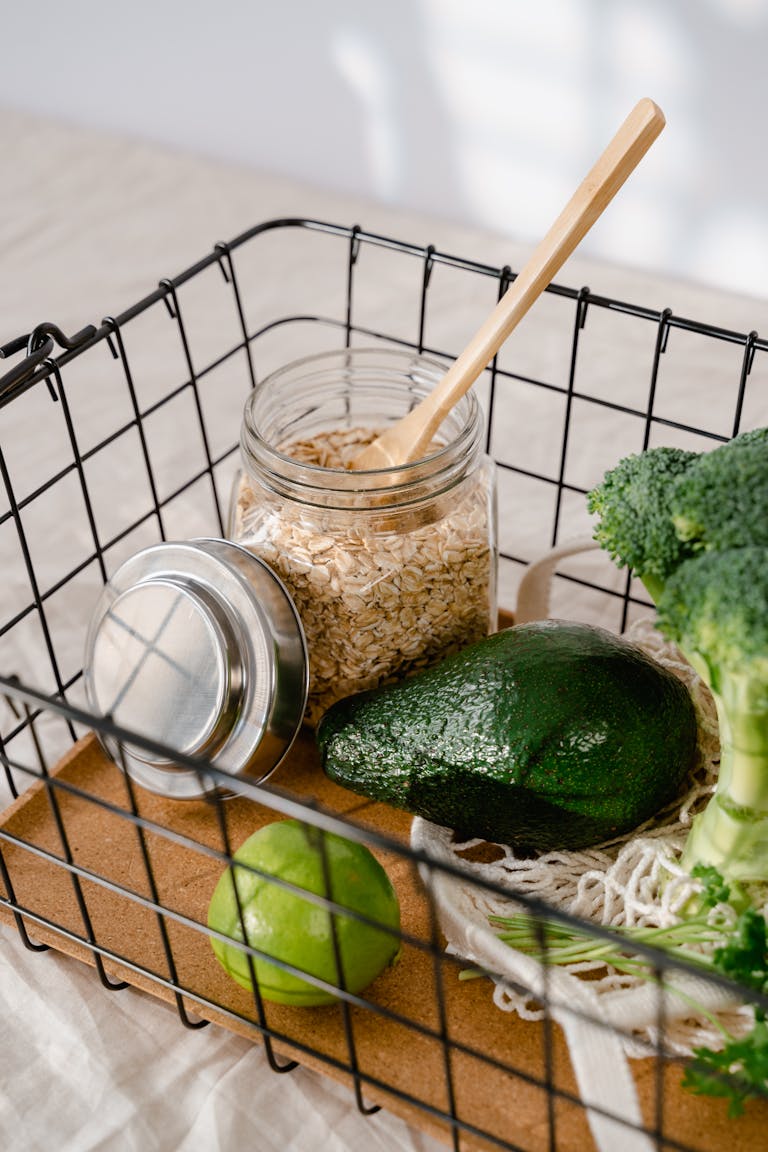
3. Complex carbs
Fluctuations in blood sugar levels can worsen PMS mood swings and cravings. Choosing complex carbohydrates paired with protein can help support steadier energy levels. Fiber-rich foods can also help with bloating, a common issue that can occur during your cycle.
Studies show that diets high in refined carbs — like white rice, sugary breakfast cereals, and instant noodles — are linked to increased PMS symptom severity. On the other hand, healthier diet plans might actually help reduce symptoms.
Examples of complex carbs include:
- sweet potatoes
- oats
- quinoa
- brown rice
- lentils
- beans
- whole wheat
4. Protein-rich foods
Getting enough protein in your daily diet can help stabilize blood sugar levels and support overall hormonal health. Including a good source of protein at every meal may also help reduce energy crashes and intense cravings during PMS.
Plus, many protein-rich foods are high in vitamin B6, which is thought to help regulate mood during PMS by supporting serotonin and dopamine production.
Research is mixed on the direct connection between protein intake and severity of PMS symptoms. However, one study did find that people with more severe menstrual pain consumed less protein from meat and fish.
Good sources of protein include:
- eggs
- meat
- poultry
- seafood
- tofu
- tempeh
- legumes
- yogurt
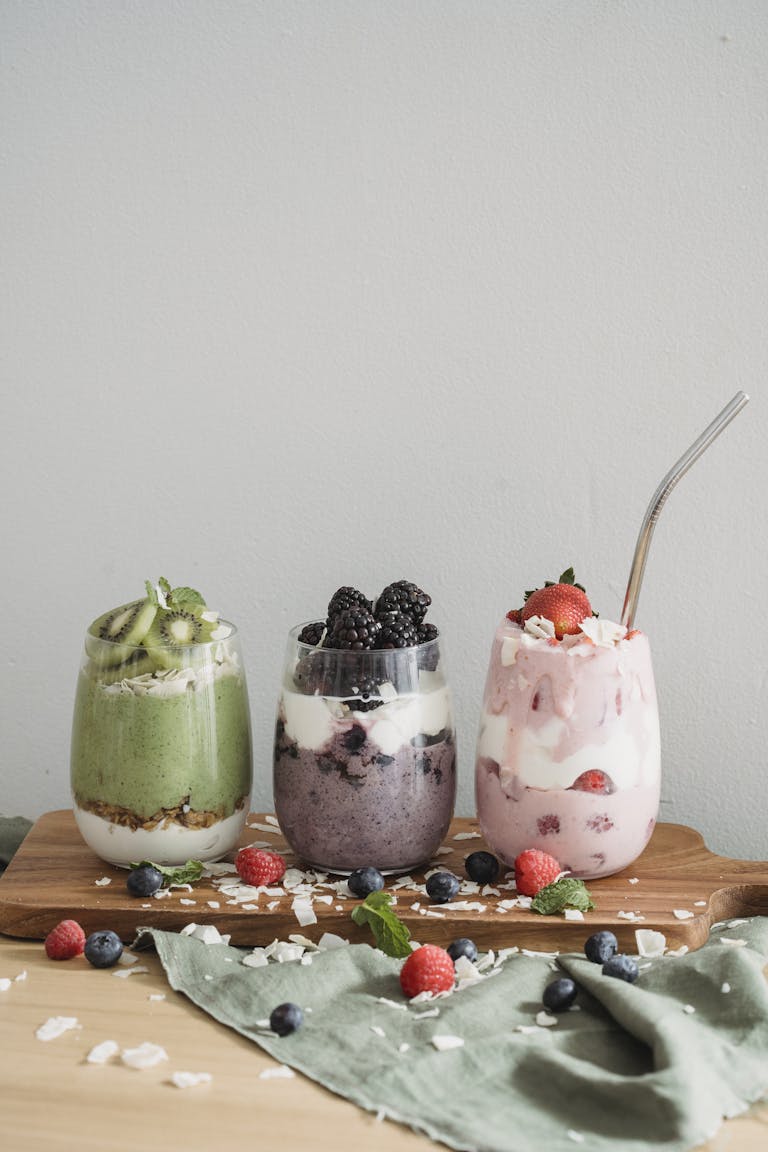
5. Fermented foods
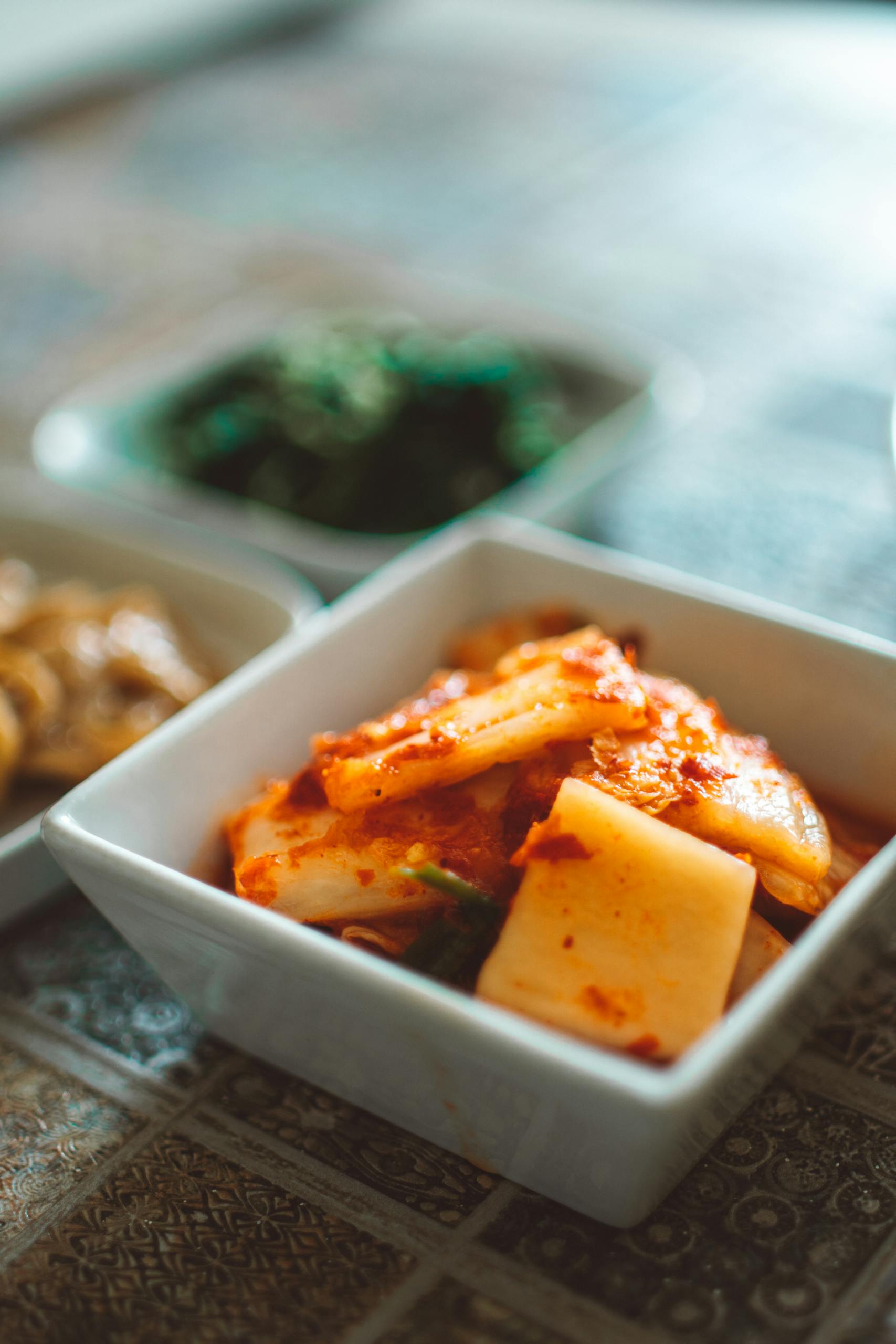
Gut health and hormone balance are closely connected. In fact, research shows that your gut microbiome (aka the community of beneficial bacteria in your digestive tract) plays a key role in regulating estrogen levels. For this reason, fermented foods rich in probiotics can support overall cycle health by promoting the growth of beneficial gut bacteria.
Some examples of gut-healthy fermented foods include:
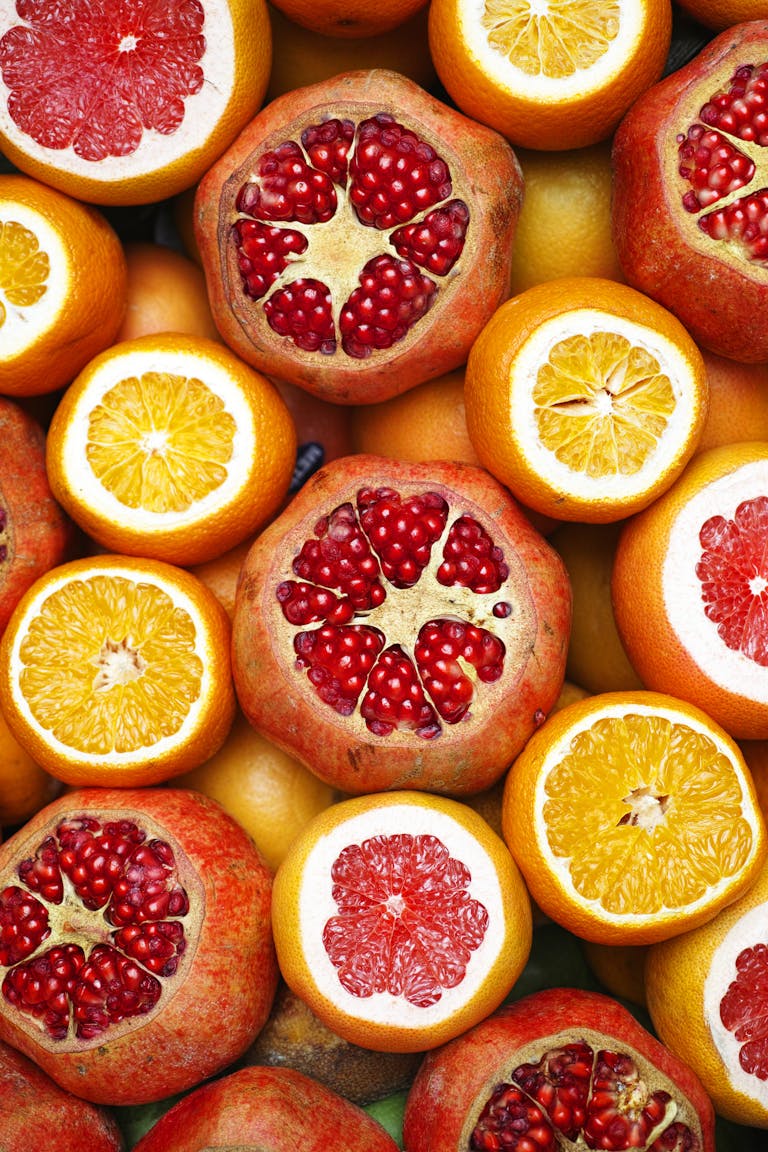
6. Fruits and vegetables
Fruits and vegetables are brimming with fiber, which supports digestion and promotes the health of your gut microbiome, a key regulator of hormone metabolism. If you regularly deal with PMS bloating and digestive issues during your period, loading up on fiber-rich fruits and veggies might be especially helpful.
One study found that women who ate the highest amount of vegetables had 31% lower odds of PMS compared to those who ate lowest amount, though this wasn’t statistically significant. Meanwhile, other research suggests that eating more fruit may be tied to a lower risk of psychological symptoms of PMS, like mood swings and irritability.
A few nutritious fruits and veggies to add to your plate include:
- broccoli
- leafy greens
- apples
- bananas
- berries
- zucchini
- tomatoes
- avocados
- carrots
- grapes
PMS-friendly foods cheat sheet
- Magnesium: spinach, pumpkin seeds, almonds, dark chocolate
- Omega-3s: salmon, chia seeds, flaxseeds
- Protein: eggs, Greek yogurt, tofu, beans
- Fruits and veggies: berries, leafy greens, broccoli, avocado
- Fermented foods: yogurt, kefir, sauerkraut, kimchi
Foods that can worsen PMS symptoms
While certain foods can help ease PMS, others can actually make symptoms worse.
Examples of foods that can worsen PMS symptoms and cause discomfort include:
- Added sugar: Eating a lot of sweets, pastries, or packaged snacks can lead to blood sugar spikes and crashes, which may intensify irritability, cravings, and fatigue.
- High-sodium foods: Salt-heavy foods like chips, canned soups, and processed meats can increase water retention, worsening common PMS complaints like bloating and swelling.
- Caffeine: Too much coffee, energy drinks, or caffeinated sodas can actually contribute to anxiety, irritability, and breast tenderness for some people.
- Alcohol: Alcohol can disrupt sleep, affect hormone metabolism, and increase mood swings, making PMS symptoms feel more severe.
Remember: moderation is key. You definitely don’t have to cut these foods out completely, but limiting them during the days leading up to your period can help reduce PMS discomfort and make that time of the month much more tolerable.

PMS-friendly meal ideas
Eating balanced and nutritious meals can help support your body during the luteal phase and ease common PMS symptoms like cramps, mood swings, bloating, and fatigue.
Here are some simple, PMS-friendly meal ideas and snacks you can try:
Breakfast
- oatmeal with strawberries, walnuts, and chia seeds
- Greek yogurt with pumpkin seeds, granola, and blueberries
- omelette with mushrooms, peppers, and onions
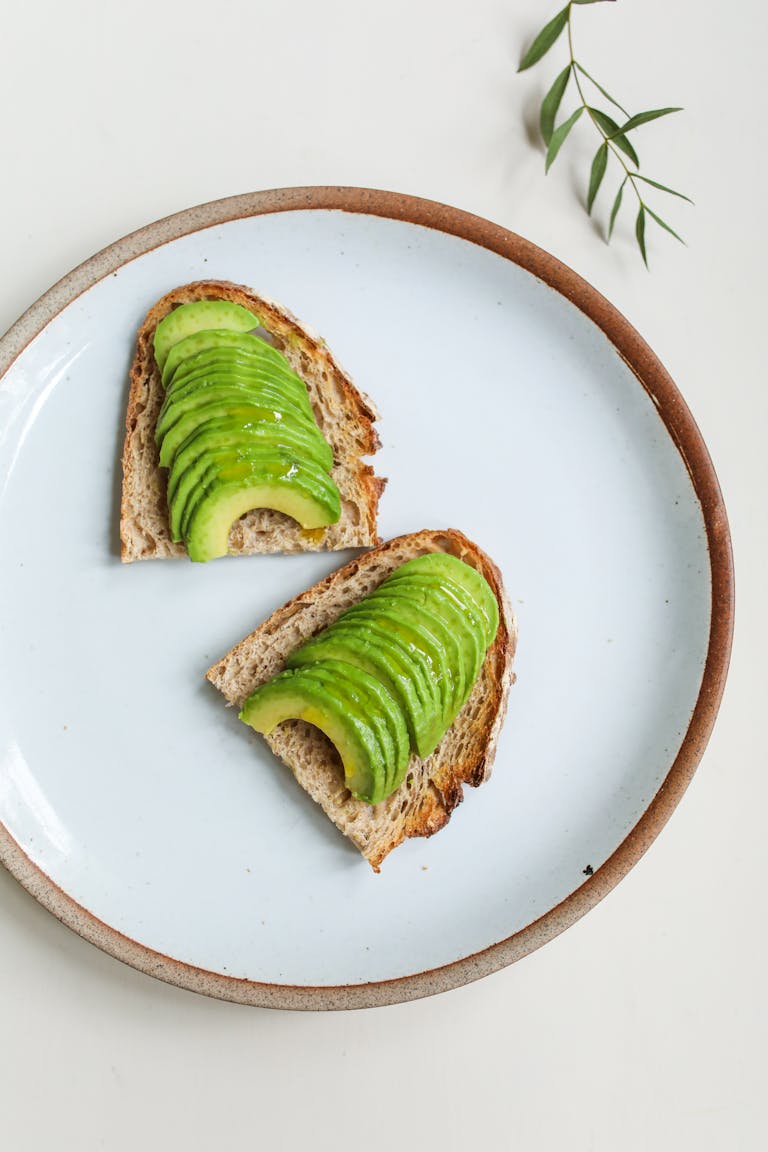
- whole-wheat toast with avocado and arugula
Lunch
- grilled chicken with herby quinoa and steamed broccoli
- Rainbow Veggie Sandwich with Edamame-Cilantro Spread
- tuna salad sandwich with sweet potato fries
- Roasted Chickpea and Potato Kale Bowl with Creamy Avocado Dressing
Dinner
- baked salmon with crispy potatoes and roasted asparagus
- Avocado Quinoa Superfood Salad
- burrito bowl with brown rice, chicken, beans, fajita veggies, and guacamole
- One-Pot Creamy Vegan Beef Pasta
Snacks
- hummus with whole-grain crackers
- dark chocolate almonds (in moderation!)
- chia seed pudding
- roasted pumpkin seeds
- brown rice cakes with peanut butter
Lifestyle strategies to ease PMS
While diet plays a key role in supporting your cycle, other lifestyle habits can also help reduce PMS symptoms. Even small, consistent changes can actually make a big difference.
Natural ways to reduce PMS symptoms include:
- Stay active: Even light exercises like yoga or walking can help relieve cramps, bloating, and mood swings.
- Prioritize sleep: Poor sleep can worsen fatigue, irritability, and cravings during PMS, so make sure to aim for a solid 7-9 hours every night.
- Keep stress in check: High stress can make PMS symptoms worse. Practices like meditation or journaling can help keep your nervous system calm.
- Stay hydrated: Drinking enough water can help prevent many common PMS issues, like bloating, fatigue, and headaches.
FAQ
More helpful articles
Conclusion
A balanced and nutritious diet combined with a few healthy habits can make a world of difference in how you feel during PMS. Focusing on foods rich in fiber, magnesium, fiber, and omega-3s can help support hormone balance, reduce bloating, stabilize mood, and improve energy throughout your cycle.